
Politics
New Electoral Laws Prompt Concerns Over Voter Accessibility

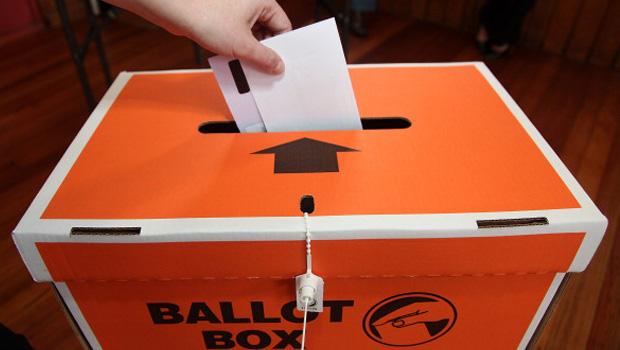
The New Zealand government is set to implement significant changes to its electoral laws, raising questions about the impact on voter accessibility ahead of the upcoming general election in 2024. Voters will have a twelve-day advanced voting period during which they must ensure their enrollment details are correct, as no changes will be accepted once this period begins.
The initiative has sparked debate, particularly regarding its timing and implications. According to statistics, in 2023, approximately 134,000 individuals changed their addresses or electorates during the advanced voting period, while nearly 100,000 people enrolled to vote. These figures indicate that many voters may not be fully prepared for the new regulations, which could hinder participation.
Paul Goldsmith, New Zealand’s Minister of Justice, is advocating for these changes, citing the need to reduce the administrative burden on the Electoral Commission. However, officials have cautioned that these amendments could potentially decrease voter enrollment rates and turnout, as well as increase the number of disallowed votes.
Concerns About Accessibility and Participation
Critics argue that making the voting process more complex could disenfranchise many citizens. Francesca Rudkin expresses concern that these changes prioritize administrative efficiency over voter accessibility. She emphasizes that voting should be made as accessible as possible to ensure that all New Zealanders can exercise their democratic right.
Goldsmith contends that the changes will result in faster election outcomes by minimizing the processing of special votes. However, critics question whether the speed of results should take precedence over ensuring that every eligible voter has the opportunity to participate. The call for educational campaigns on the new rules is seen as insufficient, particularly given the high number of individuals who may not be aware of the changes.
The Electoral Commission has noted that the current system, which allows for last-minute changes, places a significant burden on election administration. As David Seymour pointed out, voters must take responsibility for their registration and ensure that they are informed. Yet, the concern remains that those who are less organized may be disproportionately affected by these new rules.
Goldsmith faces a challenging task as he navigates the balance between administrative efficiency and voter engagement. The upcoming election will serve as a crucial test of these changes, with the potential for significant implications on voter turnout and representation in Parliament.
As the nation prepares for the 2024 General Election, it is essential for voters to understand the new regulations and ensure their enrollment details are accurate well in advance of the election date. Failure to do so could lead to a reduction in participation, undermining the democratic process that the government aims to uphold.









New $25 Million Funding Boosts Hospital Capacity Ahead of Winter

Discover Sleep Space’s Affordable Bach Bed Packages Today

Jury Dismissed in Sexual Assault Trial Over Misguided Questions

Wellington’s New Gallery Unveils Community-Driven Art Exhibition

All Whites Face Challenges as Injuries Strike Before World Cup

Heroic Bystander Rescues Swimmers from Dangerous Surf in Napier

Nina Oyama Returns to Crime Comedy in Deadloch Season 2

China Southern Airlines Offers Reliable Journey from Auckland to Vietnam

Nina Oyama Returns to Deadloch for Anticipated Season 2

Community Mourns Teens Lost in Mount Maunganui Landslide

Tributes Pour In for Lachlan Rofe, Reality Star, Dead at 47

Private Funeral Held for Dean Field and His Three Children

Funeral Planned for Field Siblings After Tragic House Fire

Netball New Zealand Stands Down Dame Noeline Taurua for Series

Al Waha Motors Opens Flagship Jetour Showroom in Al Khor

Julian Dennison Ties the Knot with Christian Baledrokadroka in New Zealand

Auckland’s Average Rent Surpasses $700 for Three-Bedroom Homes

New Research Reveals Simple Path to Enhanced Happiness
-
 Top Stories7 months ago
Community Mourns Teens Lost in Mount Maunganui Landslide
-
 Entertainment11 months ago
Tributes Pour In for Lachlan Rofe, Reality Star, Dead at 47
-
 World9 months ago
Private Funeral Held for Dean Field and His Three Children
-
 Top Stories9 months ago
Funeral Planned for Field Siblings After Tragic House Fire
-
 Sports11 months ago
Netball New Zealand Stands Down Dame Noeline Taurua for Series
-
 Health7 months ago
Al Waha Motors Opens Flagship Jetour Showroom in Al Khor
-
 Entertainment7 months ago
Julian Dennison Ties the Knot with Christian Baledrokadroka in New Zealand
-
 Business7 months ago
Auckland’s Average Rent Surpasses $700 for Three-Bedroom Homes
-
 Science10 months ago
New Research Reveals Simple Path to Enhanced Happiness
-

 Entertainment10 months ago
New ‘Maverick’ Chaser Joins Beat the Chasers Season Finale
-

 Lifestyle11 months ago
Maia Wilson Faces Backlash Following Taurua’s Suspension
-

 Sports10 months ago
All Blacks Star Damian McKenzie and Partner Announce Baby News