
Politics
New Zealand’s Luxon Seeks Bipartisan Support for India FTA

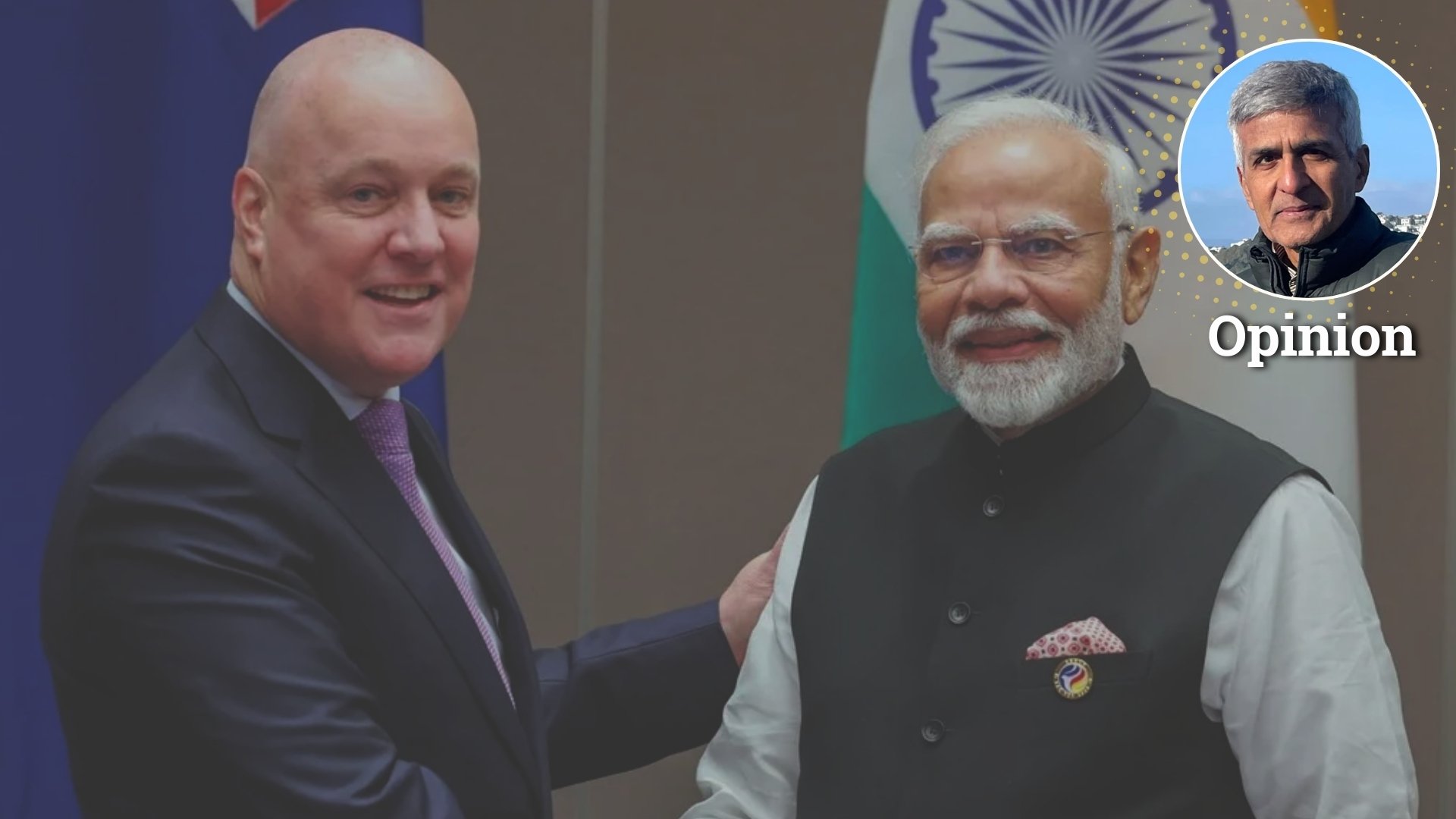
The India-New Zealand Free Trade Agreement (FTA), endorsed by Indian Prime Minister Narendra Modi earlier this week, hinges on bipartisan support as it moves through the New Zealand Parliament. Coalition partner New Zealand First has withheld its backing, prompting Prime Minister Christopher Luxon to seek assistance from Opposition Labour MPs to ensure the deal’s passage.
This agreement offers thousands of temporary work visas annually for professionals from India in sectors such as IT, engineering, and health. Additionally, it provides Indian students with enhanced post-study work opportunities and Working Holiday visas. The speed at which the FTA has progressed is noteworthy, with negotiations resuming in March 2025 after nearly a decade of stagnation.
Trade Dynamics and Political Tensions
India is currently engaged in discussions to finalize trade agreements with both the United States and the European Union, having already signed deals with the UK and Oman. This surge in trade negotiations reflects New Delhi’s strategy to diversify export destinations and mitigate the repercussions of recent tariff increases imposed by the Trump administration on Indian imports.
Indian Commerce Minister Piyush Goyal has made it clear that the dairy sector will remain non-negotiable, reinforcing India’s image as a protectionist nation. Following the announcement of the FTA’s conclusion, Goyal reiterated that India will not open its dairy sector to free trade, a stance that has drawn criticism from opponents of the agreement in New Zealand.
The implications of the India-New Zealand trade deal extend beyond economic factors, as New Zealand First‘s leader, Winston Peters, raises concerns about immigration and its potential impact on the local labor market. Peters argues that the agreement compromises New Zealand’s interests, particularly in dairy, stating, “Regrettably, this is a bad deal for New Zealand. It gives too much away, especially on immigration, and does not get enough in return for New Zealanders.” He highlights that New Zealand’s major dairy exports, including milk, cheese, and butter, amounted to approximately $24 billion, accounting for 30% of the nation’s total goods exports in the year leading up to November 2025.
Future Prospects and Political Implications
As internal tensions rise within the National-led government, the Labour Party is preparing to discuss the trade deal in an upcoming caucus meeting in early 2026. Labour’s trade spokesman, Damien O’Connor, has expressed support for a partnership with the world’s most populous nation, indicating a potential avenue for collaboration.
Despite the dissent from New Zealand First, Prime Minister Luxon finds reassurance in the support from his other coalition partner, the ACT Party, which has not publicly opposed the FTA. The political landscape surrounding this trade deal is fraught with irony; Peters, as Foreign Minister, oversees the Ministry of Foreign Affairs and Trade, which emphasizes the importance of closer ties with India for supporting a stable and prosperous trading environment.
According to the Ministry, India’s GDP is projected to reach around NZ $12 trillion by 2030, positioning it as one of the largest economies globally. The Ministry anticipates that the impact and value of the NZ-India FTA will increase over time, yet Peters’ public stance appears to contradict the government’s official position.
The formal signing of the India-New Zealand trade deal is anticipated in early 2026, though legislative approval is unlikely before the next general election, effectively making it a hot-button issue in the upcoming campaign. Trade Minister Todd McClay has labeled the agreement as “historic,” and Prime Minister Luxon has made it a cornerstone of his political platform, criticizing the previous Labour administration for neglecting India by failing to revive stalled trade talks.
While the Labour Party had prioritized the dairy sector in any potential agreement, the National Party has seized the opportunity to advance relations with India. Luxon emphasizes his active engagement, noting multiple visits to India, including leading New Zealand’s largest-ever trade mission there.
“The result is a high-quality trade agreement with a trusted partner that will deliver deep and lasting benefits for New Zealand,” Luxon stated, shifting the narrative in favor of his administration. The outcome of this trade deal has the potential to significantly reshape bilateral relations between New Zealand and India, heralding a new chapter in their economic partnership.












Americans’ 1998 Predictions for 2025: Surprising Accuracy Revealed

Wellington Phoenix Thrash Wanderers 3-0, Extend Winning Streak

Woman Passes Away Following Medical Emergency on Qantas Flight

Cars Crash into Buildings in South Auckland, Five Injured

European Stocks Hold Steady Near Record Highs as Year-End Approaches

Noel Gallagher Shares His Designer Wardrobe with Charity Shop

Hamad Al-Hammadi Elected President of Qatar Table Tennis Association

Former All Blacks Coach John Mitchell Honoured with OBE

Wairarapa MP Advocates for Council Reform Amid Proposed Changes

Private Funeral Held for Dean Field and His Three Children

Funeral Planned for Field Siblings After Tragic House Fire

Netball New Zealand Stands Down Dame Noeline Taurua for Series

Tributes Pour In for Lachlan Rofe, Reality Star, Dead at 47

New ‘Maverick’ Chaser Joins Beat the Chasers Season Finale

Silver Ferns Legend Laura Langman Criticizes Team’s Attitude

Eli Katoa Rushed to Hospital After Sideline Incident During Match

Netball NZ Calls for Respect Amid Dame Taurua’s Standoff

Investigation Underway in Tragic Sanson House Fire Involving Family
-
 World1 month ago
Private Funeral Held for Dean Field and His Three Children
-
 Top Stories1 month ago
Funeral Planned for Field Siblings After Tragic House Fire
-
 Sports4 months ago
Netball New Zealand Stands Down Dame Noeline Taurua for Series
-
 Entertainment4 months ago
Tributes Pour In for Lachlan Rofe, Reality Star, Dead at 47
-
 Entertainment3 months ago
New ‘Maverick’ Chaser Joins Beat the Chasers Season Finale
-
 Sports4 months ago
Silver Ferns Legend Laura Langman Criticizes Team’s Attitude
-
 Sports2 months ago
Eli Katoa Rushed to Hospital After Sideline Incident During Match
-
 Politics3 months ago
Netball NZ Calls for Respect Amid Dame Taurua’s Standoff
-
 World1 month ago
Investigation Underway in Tragic Sanson House Fire Involving Family
-

 Sports2 weeks ago
Nathan Williamson’s Condition Improves Following Race Fall
-

 Entertainment3 weeks ago
Jacinda Ardern Discusses Popularity Decline on Graham Norton Show
-
 World1 week ago
Investigation Launched Following Boat Fire at Lake Taupō