
Politics
New Zealand’s Luxon Seeks Support for India Trade Deal

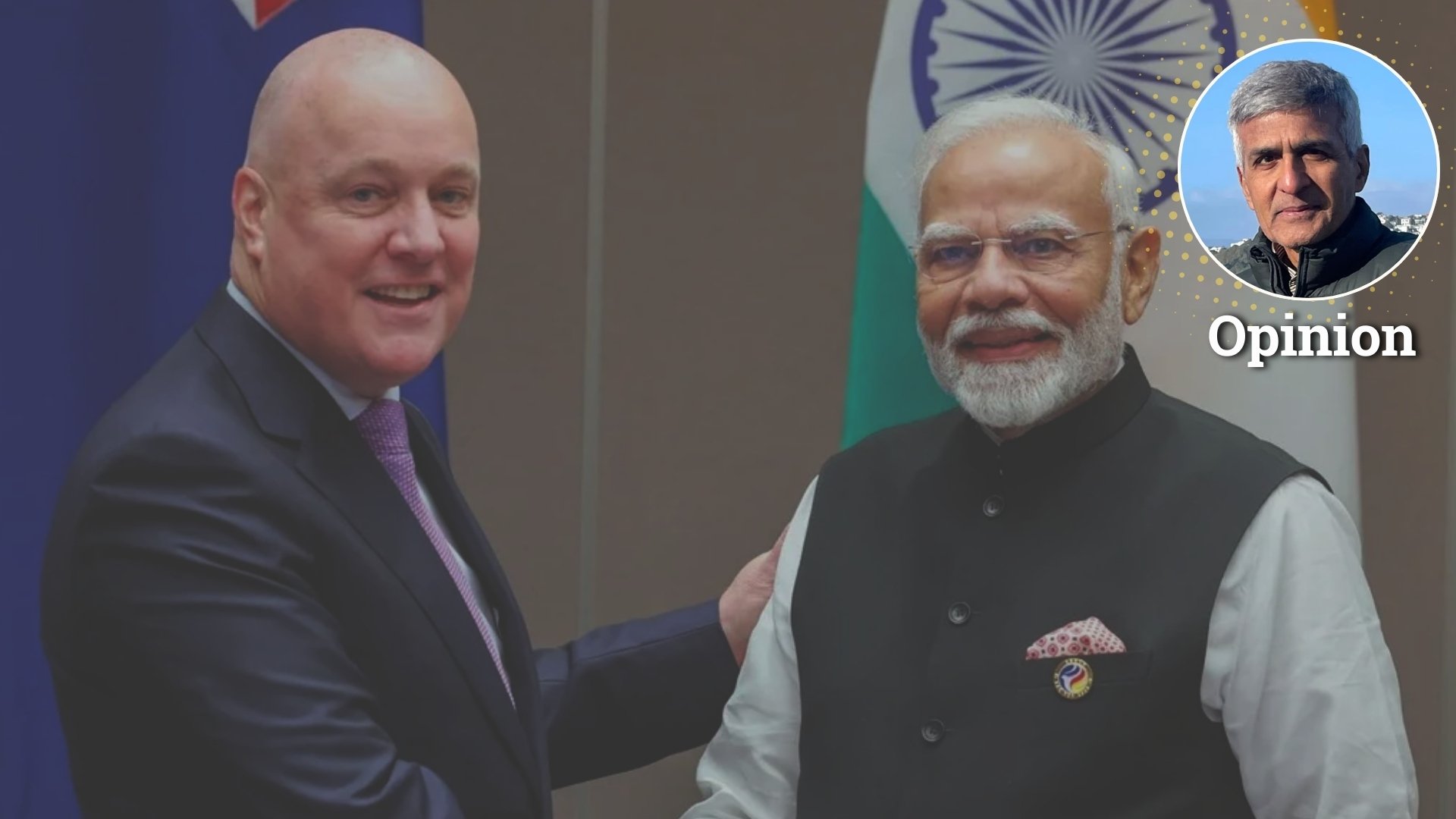
The recently signed India-New Zealand Free Trade Agreement (FTA) is now a focal point of political maneuvering in New Zealand as Prime Minister Christopher Luxon seeks bipartisan support in Parliament. The deal, endorsed by Indian Prime Minister Narendra Modi earlier this week, is facing opposition from coalition partner New Zealand First, which is withholding its backing. This situation has compelled Luxon to reach across the aisle for support from the Opposition Labour Party.
The FTA proposes to provide thousands of temporary work visas annually for skilled professionals in IT, engineering, and healthcare from India. Moreover, it opens doors for Indian students to access more post-study work opportunities and Working Holiday visas. The swift progression toward the FTA has garnered significant attention, especially since negotiations resumed in March 2025 after nearly a decade-long hiatus.
India is actively pursuing trade agreements with several nations, including the United States and the European Union, and has already established pacts with the United Kingdom and Oman. This surge in trade negotiations reflects India’s strategy to diversify its export markets, particularly in light of recent tariff hikes imposed by the Trump administration on Indian imports to the US. Notably, India has made it clear that the dairy sector remains off-limits for free trade agreements, with Piyush Goyal, India’s Commerce Minister, confirming that the country will not compromise on this aspect.
This stance reinforces India’s image as being protective of its dairy sector, traditionally viewed as a contentious point in trade discussions. The India-New Zealand FTA, however, aims to shift perceptions. It emphasizes the potential for stronger economic ties amid global uncertainties.
Opposition to the agreement is strong within New Zealand First. Party leader Winston Peters has voiced concerns, claiming the deal disproportionately favors immigration and does not yield sufficient benefits for New Zealanders, particularly regarding the dairy industry. He stated, “Regrettably, this is a bad deal for New Zealand. It gives too much away, especially on immigration, and does not get enough in return for New Zealanders, including on dairy.”
Peters highlighted that New Zealand’s dairy exports—including milk, cheese, and butter—accounted for $24 billion, representing approximately 30% of the country’s total goods exports for the year ending in November 2025. He argues that the FTA primarily facilitates the movement of people from India to New Zealand, adding stress to the local labor market while many New Zealanders are facing economic hardship.
The internal discord over the trade deal has exposed fractures within the National-led government. All eyes are on the Labour caucus meeting scheduled for early in the New Year, where party members will discuss their stance on the agreement. Labour’s trade spokesperson, Damien O’Connor, has expressed support for the FTA, suggesting that an agreement with the world’s most populous nation is “worth supporting.”
The ACT Party, another coalition partner, has not raised significant objections to the trade deal, which could bolster Luxon’s position. The irony of the situation is not lost on observers, as Peters, in his role as Foreign Minister, oversees New Zealand’s Ministry of Foreign Affairs and Trade, which underscores the importance of closer ties with India for regional stability and economic growth. The ministry projects that by 2030, India’s GDP will reach approximately NZ $12 trillion, marking it as one of the largest economies globally.
The agreement is set to be officially signed in early 2026 and will be presented to Parliament for ratification. However, the legislation is unlikely to pass before the next general election, scheduled for the same year, suggesting that the FTA will become a significant issue in the upcoming campaign. Trade Minister Todd McClay has described the deal as “historic,” indicating its potential impact on New Zealand’s future trade landscape.
Luxon has positioned the trade deal with India as a cornerstone of his political platform, criticizing the previous Labour government for neglecting trade negotiations with India. He emphasized the proactive steps taken by his administration, including two visits to India by the Foreign Minister and the largest-ever New Zealand trade mission to the country earlier this year. “The result is a high-quality trade agreement with a trusted partner that will deliver deep and lasting benefits for New Zealand,” Luxon stated.
As the political landscape evolves, the India-New Zealand trade deal could signify a pivotal moment in bilateral relations, potentially reshaping economic ties between the two nations. The ongoing discussions will undoubtedly keep the spotlight on how New Zealand navigates its trade priorities while managing internal political dynamics.











New $25 Million Funding Boosts Hospital Capacity Ahead of Winter

Discover Sleep Space’s Affordable Bach Bed Packages Today

Jury Dismissed in Sexual Assault Trial Over Misguided Questions

Wellington’s New Gallery Unveils Community-Driven Art Exhibition

All Whites Face Challenges as Injuries Strike Before World Cup

Heroic Bystander Rescues Swimmers from Dangerous Surf in Napier

Nina Oyama Returns to Crime Comedy in Deadloch Season 2

China Southern Airlines Offers Reliable Journey from Auckland to Vietnam

Nina Oyama Returns to Deadloch for Anticipated Season 2

Community Mourns Teens Lost in Mount Maunganui Landslide

Tributes Pour In for Lachlan Rofe, Reality Star, Dead at 47

Private Funeral Held for Dean Field and His Three Children

Funeral Planned for Field Siblings After Tragic House Fire

Netball New Zealand Stands Down Dame Noeline Taurua for Series

Al Waha Motors Opens Flagship Jetour Showroom in Al Khor

Julian Dennison Ties the Knot with Christian Baledrokadroka in New Zealand

Auckland’s Average Rent Surpasses $700 for Three-Bedroom Homes

New Research Reveals Simple Path to Enhanced Happiness
-
 Top Stories7 months ago
Community Mourns Teens Lost in Mount Maunganui Landslide
-
 Entertainment11 months ago
Tributes Pour In for Lachlan Rofe, Reality Star, Dead at 47
-
 World9 months ago
Private Funeral Held for Dean Field and His Three Children
-
 Top Stories9 months ago
Funeral Planned for Field Siblings After Tragic House Fire
-
 Sports11 months ago
Netball New Zealand Stands Down Dame Noeline Taurua for Series
-
 Health7 months ago
Al Waha Motors Opens Flagship Jetour Showroom in Al Khor
-
 Entertainment7 months ago
Julian Dennison Ties the Knot with Christian Baledrokadroka in New Zealand
-
 Business7 months ago
Auckland’s Average Rent Surpasses $700 for Three-Bedroom Homes
-
 Science10 months ago
New Research Reveals Simple Path to Enhanced Happiness
-

 Entertainment10 months ago
New ‘Maverick’ Chaser Joins Beat the Chasers Season Finale
-

 Lifestyle11 months ago
Maia Wilson Faces Backlash Following Taurua’s Suspension
-

 Sports10 months ago
All Blacks Star Damian McKenzie and Partner Announce Baby News