
Politics
New Zealand’s Luxon Seeks Parliamentary Support for India FTA

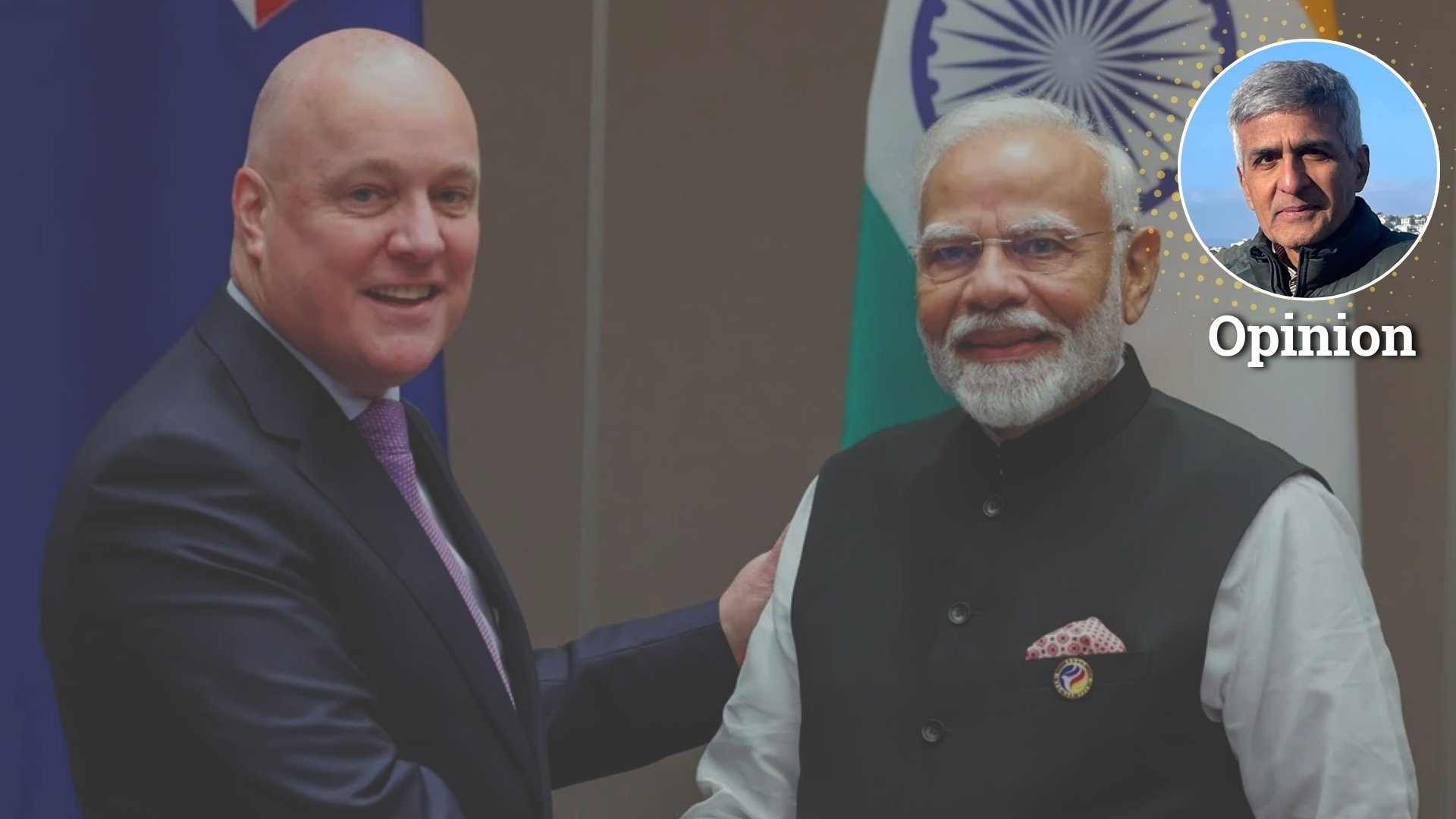
The recently signed India-New Zealand Free Trade Agreement (FTA) requires bipartisan support as it moves through the New Zealand Parliament. Prime Minister Christopher Luxon faces challenges due to coalition partner New Zealand First withholding support for the agreement. As a result, Luxon is actively seeking backing from opposition Labour MPs to ensure the deal’s passage.
The FTA, finalized by Indian Prime Minister Narendra Modi, offers thousands of temporary work visas annually for professionals in fields such as IT, engineering, and healthcare from India. Additionally, Indian students will benefit from expanded post-study work opportunities and Working Holiday visas. The urgency of the agreement’s negotiations is notable; discussions resumed in March 2025 after a lengthy hiatus of nearly ten years.
New Zealand’s engagement in this agreement coincides with India’s ongoing trade negotiations with the US and the EU, as well as recently signed agreements with the UK and Oman. This series of trade pacts indicates India’s proactive strategy to diversify its export markets, especially in response to increased tariffs on Indian imports by the Trump administration.
India has firmly established its stance regarding the dairy sector, which will remain off-limits for free trade. Following the FTA announcement, Indian Commerce Minister Piyush Goyal reiterated that India will not compromise on this crucial sector, reinforcing the perception of India as a protectionist nation.
While the India-New Zealand trade deal aims to strengthen economic ties, it has sparked significant debate among New Zealand lawmakers. New Zealand First leader Winston Peters has voiced strong opposition, arguing that the agreement compromises New Zealand’s interests, particularly concerning immigration. He has stated, “Regrettably, this is a bad deal for New Zealand. It gives too much away, especially on immigration, and does not get enough in return for New Zealanders, including on dairy.”
Peters underscores the importance of New Zealand’s dairy exports, which amounted to approximately $24 billion or 30% of the country’s total goods exports in the year ending November 2025. He perceives the FTA as more focused on facilitating migration from India than on enhancing bilateral trade, raising concerns about its implications for the local labor market.
The internal discord over the trade deal is evident, as coalition dynamics within the National-led government come under strain. The Labour Party is expected to discuss the agreement in a caucus meeting early in the New Year, where they will determine their official stance. Trade spokesman Damien O’Connor has indicated that an agreement with the world’s most populous nation is “worth supporting.”
Luxon finds some solace in the fact that the ACT Party, another coalition partner, has not opposed the deal. The discord surrounding the FTA is underscored by irony, as Peters, who currently serves as Foreign Minister, oversees the Ministry of Foreign Affairs and Trade. The ministry has emphasized that closer collaboration with India is essential for promoting a stable, rules-based trading order and advancing shared security interests.
Forecasts suggest that by 2030, India’s GDP could reach around NZ $12 trillion, positioning it as one of the world’s largest economies. The Ministry of Foreign Affairs and Trade anticipates that the impact and value of the NZ-India FTA will “grow over time.” This perspective appears to contrast with Peters’ viewpoint, indicating a rift between the minister and his ministry.
The FTA is expected to be officially signed in early 2026, although legislative approval may not occur until after the general elections scheduled for the same year. As a result, the trade deal is likely to become a prominent issue in the upcoming election campaign. Trade Minister Todd McClay has already labeled the agreement as “historic,” highlighting its significance.
Luxon had previously made the trade agreement with India a focal point of his electoral campaign in 2023, criticizing the Labour government for neglecting relations with India. The Labour Party prioritized the dairy sector as a condition for resuming talks, effectively halting negotiations until the National Party seized the opportunity.
Luxon noted, “The Foreign Minister has visited India twice. Earlier this year, I led New Zealand’s largest-ever trade mission to India. And New Zealand has hosted India’s President and two ministerial visits from India. The result is a high-quality trade agreement with a trusted partner that will deliver deep and lasting benefits for New Zealand.”
This rhetoric has put Labour on the defensive, and while the successful implementation of the trade deal remains crucial, it undeniably marks a significant advancement in the bilateral relations between India and New Zealand.









New $25 Million Funding Boosts Hospital Capacity Ahead of Winter

Discover Sleep Space’s Affordable Bach Bed Packages Today

Jury Dismissed in Sexual Assault Trial Over Misguided Questions

Wellington’s New Gallery Unveils Community-Driven Art Exhibition

All Whites Face Challenges as Injuries Strike Before World Cup

Heroic Bystander Rescues Swimmers from Dangerous Surf in Napier

Nina Oyama Returns to Crime Comedy in Deadloch Season 2

China Southern Airlines Offers Reliable Journey from Auckland to Vietnam

Nina Oyama Returns to Deadloch for Anticipated Season 2

Community Mourns Teens Lost in Mount Maunganui Landslide

Tributes Pour In for Lachlan Rofe, Reality Star, Dead at 47

Private Funeral Held for Dean Field and His Three Children

Funeral Planned for Field Siblings After Tragic House Fire

Netball New Zealand Stands Down Dame Noeline Taurua for Series

Julian Dennison Ties the Knot with Christian Baledrokadroka in New Zealand

New Research Reveals Simple Path to Enhanced Happiness

New ‘Maverick’ Chaser Joins Beat the Chasers Season Finale

Silver Ferns Legend Laura Langman Criticizes Team’s Attitude
-
 Top Stories3 months ago
Community Mourns Teens Lost in Mount Maunganui Landslide
-
 Entertainment8 months ago
Tributes Pour In for Lachlan Rofe, Reality Star, Dead at 47
-
 World5 months ago
Private Funeral Held for Dean Field and His Three Children
-
 Top Stories6 months ago
Funeral Planned for Field Siblings After Tragic House Fire
-
 Sports8 months ago
Netball New Zealand Stands Down Dame Noeline Taurua for Series
-
 Entertainment4 months ago
Julian Dennison Ties the Knot with Christian Baledrokadroka in New Zealand
-
 Science6 months ago
New Research Reveals Simple Path to Enhanced Happiness
-
 Entertainment7 months ago
New ‘Maverick’ Chaser Joins Beat the Chasers Season Finale
-
 Sports8 months ago
Silver Ferns Legend Laura Langman Criticizes Team’s Attitude
-

 Sports7 months ago
All Blacks Star Damian McKenzie and Partner Announce Baby News
-

 Sports6 months ago
Eli Katoa Rushed to Hospital After Sideline Incident During Match
-

 Politics7 months ago
Netball NZ Calls for Respect Amid Dame Taurua’s Standoff