
Politics
Pollsters Predict Close Race for New Zealand’s 2026 Election

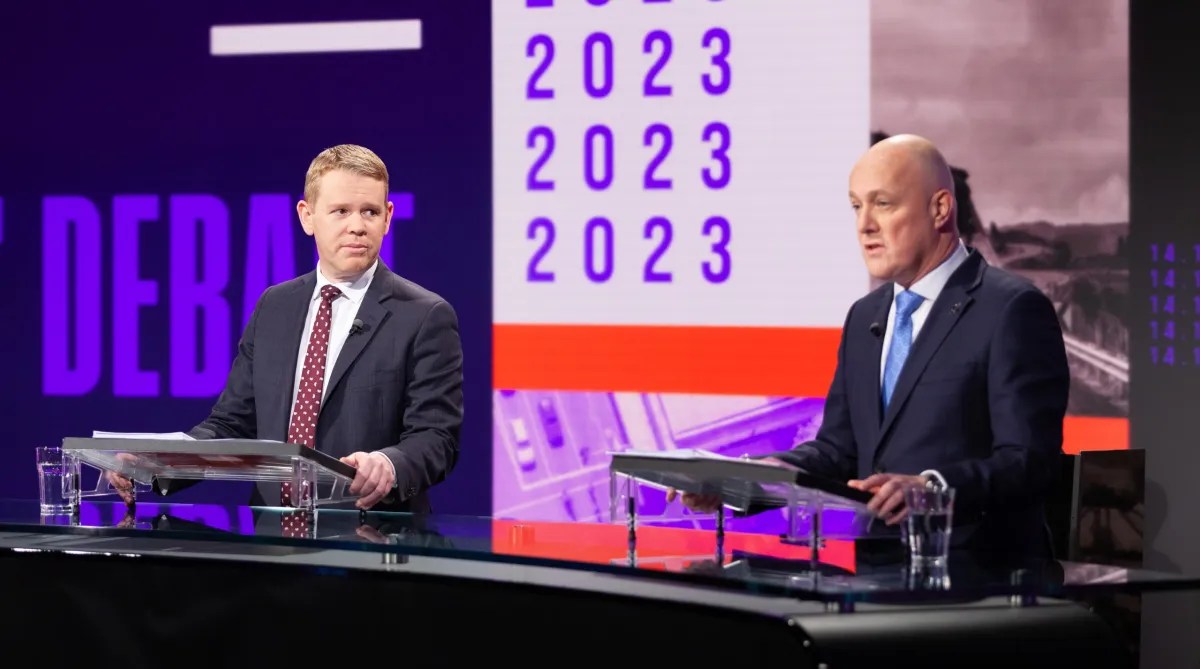
As New Zealand approaches its next general election scheduled for 2026, political analysts indicate a highly competitive landscape. According to various pollsters, including David Farrar from Curia Market Research, both the National Party and the Labour Party will likely require partnerships with smaller parties to secure a governing majority. Historical polling data suggests that the two major parties will need partners, with National potentially aligning with Act and New Zealand First, while Labour may need support from the Greens and Te Pāti Māori.
Farrar highlights that since the last election, all 71 public polls indicate Labour cannot govern without both the Greens and Te Pāti Māori. In contrast, only two out of 71 polls show that National and Act could govern without New Zealand First. The latter party has consistently polled above its 6.1 percent result from 2023, maintaining a steady presence in recent surveys.
Key issues shaping voter sentiment include the cost of living, the economy, and health care. Carin Hercock, country manager for Ipsos New Zealand, notes that while Labour leads on 15 of the top 20 issues according to their latest survey, the gap in perceived competence between Labour and National is narrowing. In 2020, Labour had a significant advantage, but the current margin stands at just 11.5 percent.
Election dynamics may shift significantly based on economic performance. Voters under 30 years old exhibit heightened concern about unemployment, an issue compounded by rising living costs. As such, economic indicators will play a critical role in shaping voter turnout, particularly among younger demographics.
Hurdle, director of Campaign Technologies, suggests that the election will not resemble the 2020 landslide for Labour, with current polling for major parties hovering in the low 30s, historically indicative of a tight race. He emphasizes that the focus will increasingly fall on the blocs of parties, with shifts of just 1 to 2 percent potentially determining the outcome.
Voter perceptions of the economy will be paramount. Hurdle warns that while the government aims to project a narrative of economic recovery, voters are more likely to judge performance based on their personal financial situations rather than broader economic statistics. This sentiment aligns with concerns regarding household pressures stemming from the cost of living.
Farrar and Talbot, director of Talbot Mills Research, agree that the upcoming election may hinge on Labour’s ability to establish policy credibility and present a compelling alternative to the current government. Both parties are expected to navigate a complex political landscape, influenced by changing voter demographics and shifting priorities.
As the election campaign unfolds, voters may see a marked difference in messaging tailored to specific groups. Digital media’s role in shaping public opinion cannot be underestimated, with different voter segments receiving varied information based on their preferences. This divergence could complicate traditional campaigning strategies.
In summary, New Zealand’s 2026 election promises to be a closely fought contest, with economic issues at the forefront. The necessity for coalition-building and the influence of smaller parties will be crucial as both major parties strive to secure a path to governance amidst a backdrop of evolving voter priorities and expectations.








New $25 Million Funding Boosts Hospital Capacity Ahead of Winter

Discover Sleep Space’s Affordable Bach Bed Packages Today

Jury Dismissed in Sexual Assault Trial Over Misguided Questions

Wellington’s New Gallery Unveils Community-Driven Art Exhibition

All Whites Face Challenges as Injuries Strike Before World Cup

Heroic Bystander Rescues Swimmers from Dangerous Surf in Napier

Nina Oyama Returns to Crime Comedy in Deadloch Season 2

China Southern Airlines Offers Reliable Journey from Auckland to Vietnam

Nina Oyama Returns to Deadloch for Anticipated Season 2

Community Mourns Teens Lost in Mount Maunganui Landslide

Tributes Pour In for Lachlan Rofe, Reality Star, Dead at 47

Private Funeral Held for Dean Field and His Three Children

Funeral Planned for Field Siblings After Tragic House Fire

Netball New Zealand Stands Down Dame Noeline Taurua for Series

Julian Dennison Ties the Knot with Christian Baledrokadroka in New Zealand

New Research Reveals Simple Path to Enhanced Happiness

New ‘Maverick’ Chaser Joins Beat the Chasers Season Finale

Maia Wilson Faces Backlash Following Taurua’s Suspension
-
 Top Stories5 months ago
Community Mourns Teens Lost in Mount Maunganui Landslide
-
 Entertainment10 months ago
Tributes Pour In for Lachlan Rofe, Reality Star, Dead at 47
-
 World7 months ago
Private Funeral Held for Dean Field and His Three Children
-
 Top Stories7 months ago
Funeral Planned for Field Siblings After Tragic House Fire
-
 Sports10 months ago
Netball New Zealand Stands Down Dame Noeline Taurua for Series
-
 Entertainment5 months ago
Julian Dennison Ties the Knot with Christian Baledrokadroka in New Zealand
-
 Science8 months ago
New Research Reveals Simple Path to Enhanced Happiness
-
 Entertainment9 months ago
New ‘Maverick’ Chaser Joins Beat the Chasers Season Finale
-
 Lifestyle9 months ago
Maia Wilson Faces Backlash Following Taurua’s Suspension
-

 Sports8 months ago
All Blacks Star Damian McKenzie and Partner Announce Baby News
-

 Sports10 months ago
Silver Ferns Legend Laura Langman Criticizes Team’s Attitude
-

 Sports8 months ago
Eli Katoa Rushed to Hospital After Sideline Incident During Match