
Politics
Proposed Transport Rule Change Aims to Update Cycling Regulations

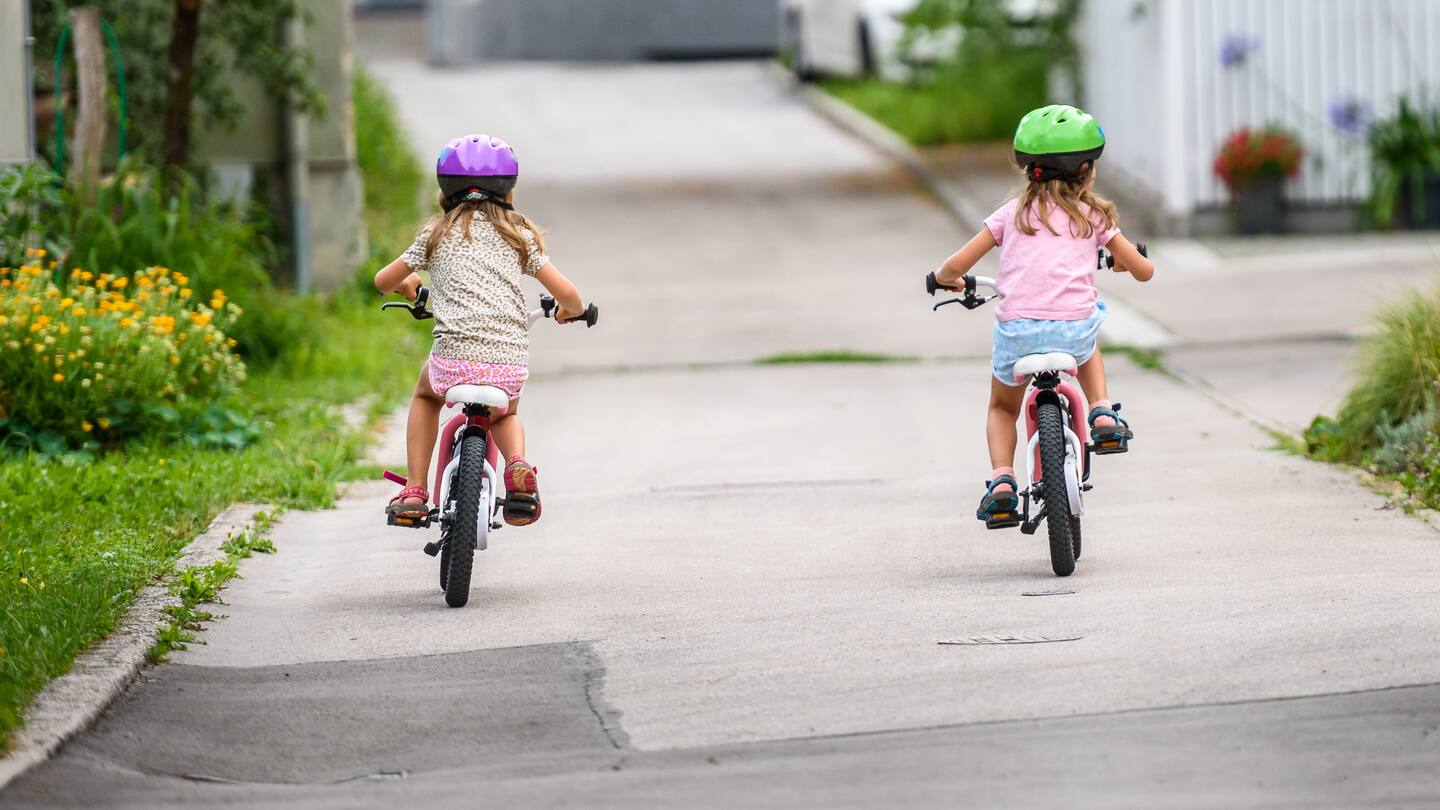
The Government of New Zealand has announced plans to amend existing road rules, allowing children under the age of 12 to ride their bicycles on footpaths and permitting e-scooters to use cycleways. Currently, regulations prohibit children from riding on footpaths unless their bike’s wheel diameter is less than 35 centimeters, while e-scooters are not permitted in designated cycle lanes. These proposed changes aim to align the law with common practices observed throughout communities.
During a recent discussion, Heather du Plessis-Allan highlighted the disconnect between current regulations and everyday behaviors. In many neighborhoods, children frequently ride their bikes on footpaths, often ignoring the existing rules. For instance, during a summer outing, du Plessis-Allan noted that her son and his cousins rode to a skate park on bikes that were technically too large for footpath riding.
The proposed adjustments to the regulations, introduced by Chris Bishop, are seen by some as a necessary update rather than a radical shift. The reality is that many families have been using footpaths for cycling safely, despite the formal restrictions. This situation raises questions about the practicality of enforcing age limits when children transition to cycling on the road.
In urban settings like Ponsonby Road, it is common to see adult cyclists navigating through pedestrian areas. Many pedestrians willingly accommodate these riders, as they tend to exhibit safe and courteous behavior. This observation prompts a critical inquiry: why maintain an age limit for young cyclists at all?
Du Plessis-Allan suggests that the new regulations could benefit from eliminating the age restriction entirely. Instead, she advocates for a straightforward guideline: children and adults should prioritize road cycling but are welcome to use footpaths if safety concerns arise. If footpaths are used, cyclists should proceed at a slow pace and yield to pedestrians.
The overarching objective remains clear: ensuring safety for all road users, whether they are cycling or walking. By adopting a rule that reflects current behaviors and prioritizes common sense, the Government could foster a more inclusive environment for cyclists of all ages.
As discussions continue, it is essential for policymakers to consider the practical implications of any regulatory changes. Engaging with the community and observing established practices may lead to more effective transportation policies that prioritize safety without imposing unnecessary restrictions.










New $25 Million Funding Boosts Hospital Capacity Ahead of Winter

Discover Sleep Space’s Affordable Bach Bed Packages Today

Jury Dismissed in Sexual Assault Trial Over Misguided Questions

Wellington’s New Gallery Unveils Community-Driven Art Exhibition

All Whites Face Challenges as Injuries Strike Before World Cup

Heroic Bystander Rescues Swimmers from Dangerous Surf in Napier

Nina Oyama Returns to Crime Comedy in Deadloch Season 2

China Southern Airlines Offers Reliable Journey from Auckland to Vietnam

Nina Oyama Returns to Deadloch for Anticipated Season 2

Community Mourns Teens Lost in Mount Maunganui Landslide

Tributes Pour In for Lachlan Rofe, Reality Star, Dead at 47

Private Funeral Held for Dean Field and His Three Children

Funeral Planned for Field Siblings After Tragic House Fire

Netball New Zealand Stands Down Dame Noeline Taurua for Series

Al Waha Motors Opens Flagship Jetour Showroom in Al Khor

Julian Dennison Ties the Knot with Christian Baledrokadroka in New Zealand

Auckland’s Average Rent Surpasses $700 for Three-Bedroom Homes

New Research Reveals Simple Path to Enhanced Happiness
-
 Top Stories7 months ago
Community Mourns Teens Lost in Mount Maunganui Landslide
-
 Entertainment11 months ago
Tributes Pour In for Lachlan Rofe, Reality Star, Dead at 47
-
 World9 months ago
Private Funeral Held for Dean Field and His Three Children
-
 Top Stories9 months ago
Funeral Planned for Field Siblings After Tragic House Fire
-
 Sports11 months ago
Netball New Zealand Stands Down Dame Noeline Taurua for Series
-
 Health7 months ago
Al Waha Motors Opens Flagship Jetour Showroom in Al Khor
-
 Entertainment7 months ago
Julian Dennison Ties the Knot with Christian Baledrokadroka in New Zealand
-
 Business7 months ago
Auckland’s Average Rent Surpasses $700 for Three-Bedroom Homes
-
 Science10 months ago
New Research Reveals Simple Path to Enhanced Happiness
-

 Entertainment10 months ago
New ‘Maverick’ Chaser Joins Beat the Chasers Season Finale
-

 Lifestyle11 months ago
Maia Wilson Faces Backlash Following Taurua’s Suspension
-

 Sports10 months ago
All Blacks Star Damian McKenzie and Partner Announce Baby News