
Politics
Protesters Challenge Boundaries of Peaceful Demonstration

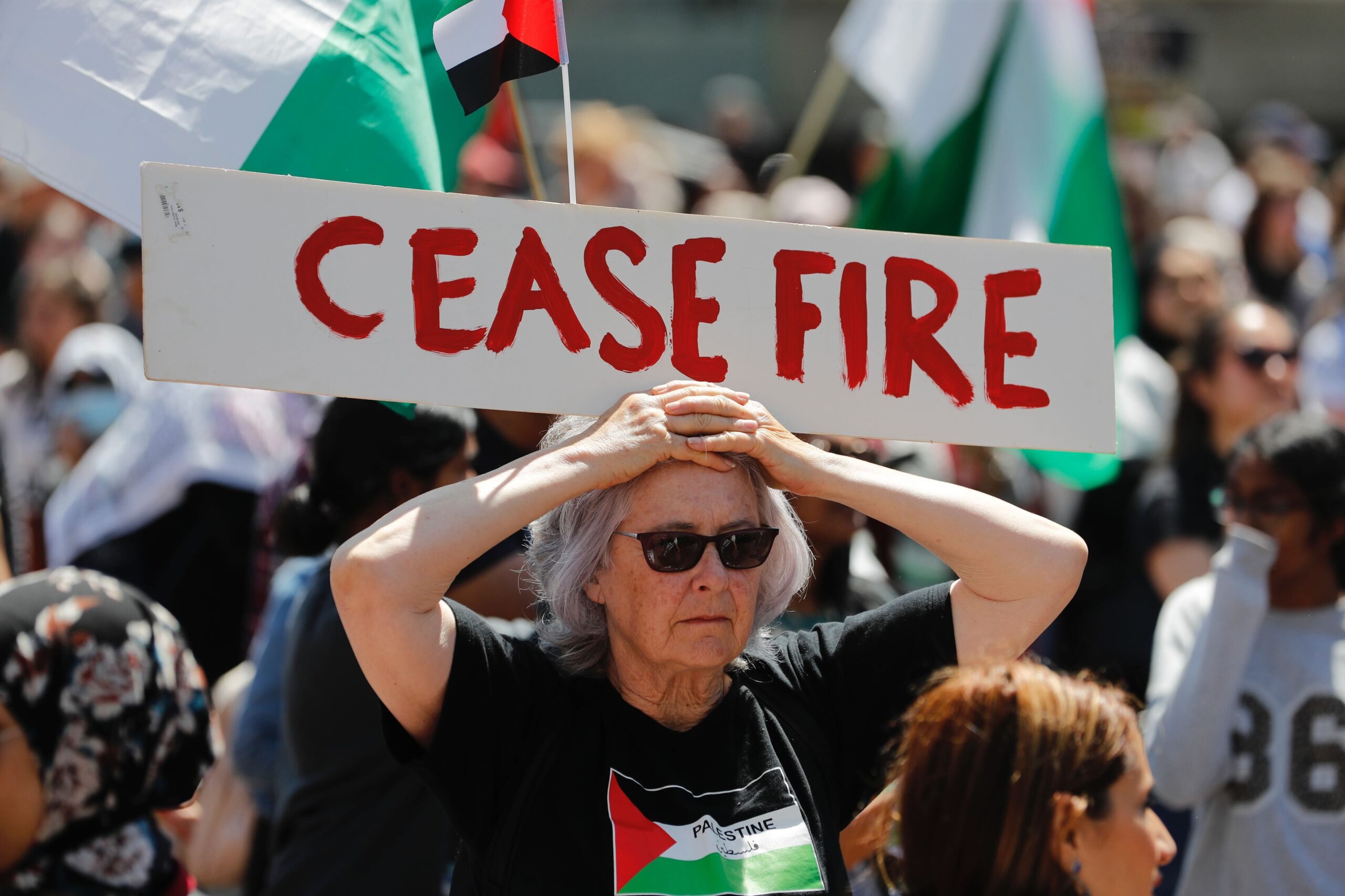
Recent protests in various countries have highlighted the fine line between peaceful demonstration and intimidation, raising questions about the limits of free expression. In a recent incident, protesters gathered outside the home of a Senior Minister in the UK, prompting a debate on the appropriateness of such actions.
The power of peaceful protest is a cornerstone of democratic societies, providing a platform for individuals to express their beliefs without resorting to violence. In many parts of the world, however, this right is met with harsh repression, stifling voices and suppressing dissent. From the Middle East to Africa and Europe, reports indicate a growing trend of unrest fueled by frustration over various issues.
In the UK, the recent protest that occurred outside the home of a Member of Parliament has sparked significant concern. Demonstrators live-streamed their actions, which some critics argue crossed a line into personal harassment. The Senior Minister, who has a family and a private life, found himself in a situation where his home—a sanctuary for his loved ones—was turned into a stage for public outcry.
Ryan Bridge, a commentator on civil liberties, expressed his disappointment regarding the protest tactics employed. He emphasized the importance of maintaining boundaries during demonstrations. “While it is essential to voice dissent, we must consider the implications of our actions,” he stated. “Protesting outside someone’s home, particularly at night, can be perceived as threatening, regardless of the intention behind it.”
The public reaction to this incident has been mixed. Many support the right to protest but share concerns over the methods used. Critics argue that the visibility of such protests can lead to fear and intimidation, undermining the very principles of democracy that protesters seek to uphold.
Bridge suggests that those who engage in protests should reflect on their methods and the potential consequences. “Protest is a powerful tool for change,” he noted. “However, the question remains: how far are we willing to go, and at what cost?”
With tensions rising in various regions, the need for constructive dialogue is more critical than ever. Protests should serve as a means to foster understanding and debate, rather than sow division or fear. As democratic societies navigate the complexities of free expression, it is vital to balance the right to protest with respect for personal boundaries and safety.
In conclusion, while the ability to protest is a fundamental right, it comes with responsibilities. As citizens continue to express their views, a mindful approach to protest tactics can help ensure that the dialogue remains constructive, ultimately leading to the resolution of differences and the advancement of society as a whole.













New $25 Million Funding Boosts Hospital Capacity Ahead of Winter

Discover Sleep Space’s Affordable Bach Bed Packages Today

Jury Dismissed in Sexual Assault Trial Over Misguided Questions

Wellington’s New Gallery Unveils Community-Driven Art Exhibition

All Whites Face Challenges as Injuries Strike Before World Cup

Heroic Bystander Rescues Swimmers from Dangerous Surf in Napier

Nina Oyama Returns to Crime Comedy in Deadloch Season 2

China Southern Airlines Offers Reliable Journey from Auckland to Vietnam

Nina Oyama Returns to Deadloch for Anticipated Season 2

Community Mourns Teens Lost in Mount Maunganui Landslide

Tributes Pour In for Lachlan Rofe, Reality Star, Dead at 47

Private Funeral Held for Dean Field and His Three Children

Funeral Planned for Field Siblings After Tragic House Fire

Al Waha Motors Opens Flagship Jetour Showroom in Al Khor

Netball New Zealand Stands Down Dame Noeline Taurua for Series

Julian Dennison Ties the Knot with Christian Baledrokadroka in New Zealand

Auckland’s Average Rent Surpasses $700 for Three-Bedroom Homes

New Research Reveals Simple Path to Enhanced Happiness
-
 Top Stories7 months ago
Community Mourns Teens Lost in Mount Maunganui Landslide
-
 Entertainment11 months ago
Tributes Pour In for Lachlan Rofe, Reality Star, Dead at 47
-
 World9 months ago
Private Funeral Held for Dean Field and His Three Children
-
 Top Stories9 months ago
Funeral Planned for Field Siblings After Tragic House Fire
-
 Health7 months ago
Al Waha Motors Opens Flagship Jetour Showroom in Al Khor
-
 Sports11 months ago
Netball New Zealand Stands Down Dame Noeline Taurua for Series
-
 Entertainment7 months ago
Julian Dennison Ties the Knot with Christian Baledrokadroka in New Zealand
-
 Business8 months ago
Auckland’s Average Rent Surpasses $700 for Three-Bedroom Homes
-
 Science10 months ago
New Research Reveals Simple Path to Enhanced Happiness
-

 Entertainment10 months ago
New ‘Maverick’ Chaser Joins Beat the Chasers Season Finale
-

 Lifestyle11 months ago
Maia Wilson Faces Backlash Following Taurua’s Suspension
-

 Sports10 months ago
All Blacks Star Damian McKenzie and Partner Announce Baby News