
Politics
Understanding New Zealand’s Position in a Multipolar World

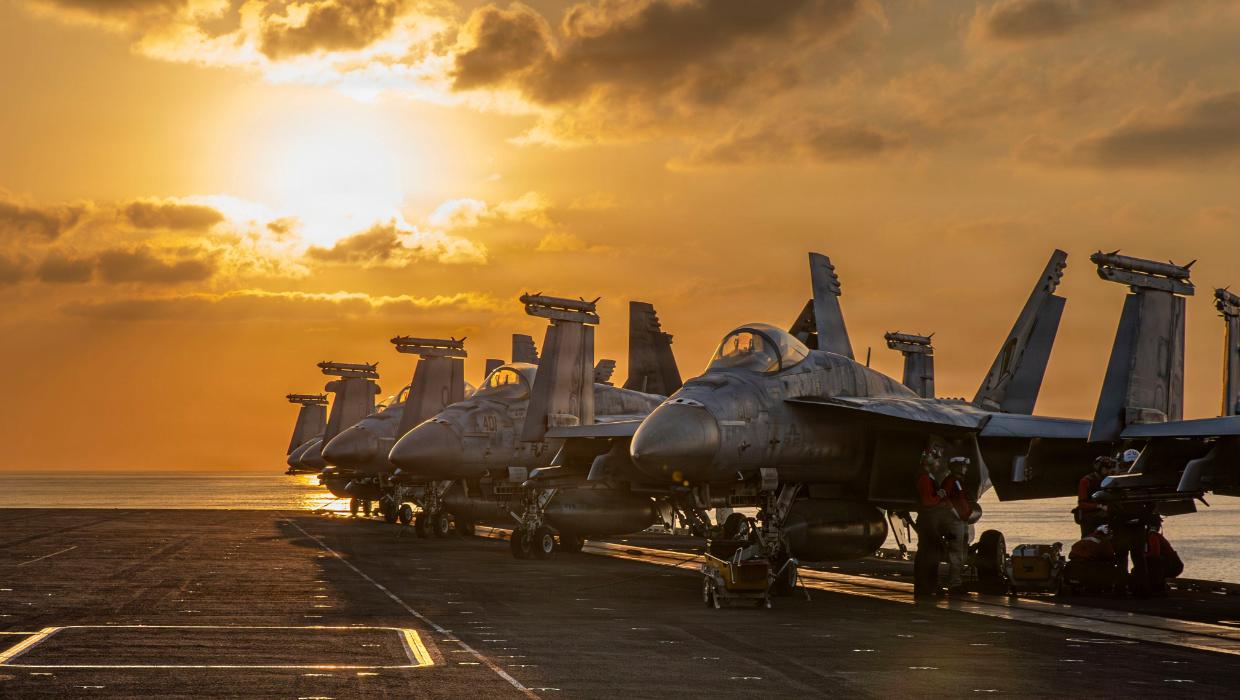
Recent military actions in the Middle East, including strikes by the United States and Israel against Iranian targets, have reignited debates in New Zealand regarding international stability and the rules-based order. Critics have labelled these strikes as reckless and a violation of international law, echoing concerns about the volatility associated with former President Donald Trump’s foreign policy approach. This situation highlights the complexities of a shifting global landscape, where smaller nations like New Zealand grapple with the implications of great power dynamics.
The current escalation between major powers carries significant risks. Smaller states often feel vulnerable when larger nations resort to military force, fearing the establishment of dangerous precedents. Yet, focusing solely on the immediate outrage can obscure the broader, more consistent logic of international relations. The events unfolding today are not merely news; they represent a significant historical shift characterized by ongoing themes of power, ambition, and geography.
Transitioning from Liberal Primacy to Multipolar Realism
For much of the post-Cold War period, the United States aimed to uphold a liberal international order, promoting democratic norms and deterring challengers. The Biden administration has attempted to maintain this framework, positioning global politics as a battle between democracy and autocracy. However, the current distribution of power signals a departure from this unipolar liberalism.
China’s emergence as a formidable industrial competitor, alongside Russia’s readiness to use military force and Iran’s expanding regional influence, marks a significant shift. This evolving landscape has forced Washington to reconsider its approach, leading to a more transactional and interest-based foreign policy under Trump. The nature of alliances has become conditional, with a focus on burden-sharing and selective engagement rather than a blanket commitment to defending democratic ideals.
Trump’s military actions, including recent strikes on Iran, exemplify this pragmatic realism. By demonstrating a willingness to use force against regional actors aligned with the Russia–China–Iran axis, the United States sends a clear message about its strategic intentions. Simultaneously, Trump’s readiness to negotiate with Tehran reflects a dual approach where coercion and diplomacy can coexist as tactical levers.
The Broader Context of Eurasian Conflicts
The strikes on Iran also fit into a broader narrative involving three interconnected crisis zones: Ukraine, the Middle East, and the Western Pacific. In Ukraine, Russian military efforts are supported by Iranian drones and North Korean munitions, complicating the European security landscape. This conflict represents a critical front in the ongoing struggle for influence among major powers.
Meanwhile, in the Western Pacific, China’s military expansion is altering regional dynamics. The focus on naval capabilities and missile deterrence, especially regarding Taiwan, underscores Beijing’s strategic ambitions. The Middle East remains a third focal point, where Iran’s extensive proxy network presents challenges for US and Israeli forces.
These regions are not isolated; actions in one area resonate across others. A demonstrated willingness to employ military force in one theatre can influence calculations in Tehran, Moscow, and Beijing. Each military strike, sanction, or diplomatic engagement is read through multiple lenses, shaping the global power balance.
For New Zealand, the implications of these developments are profound. Traditionally, the nation approached international crises with a focus on legality and adherence to international norms. While these principles remain important, the realities of a multipolar world necessitate a more pragmatic understanding of power dynamics.
New Zealand’s security, trade routes, and intelligence partnerships are situated within a US-led strategic framework that has fostered stability in the Indo-Pacific for decades. As this system faces challenges, smaller nations may find themselves increasingly vulnerable to disruptions in energy supplies and trade.
The pressing question for Wellington is whether it fully comprehends the trade-offs inherent in this new era of multipolar competition. As the Biden administration’s attempts to uphold liberal primacy give way to a more transactional approach under Trump, New Zealand must navigate its foreign policy responses with clarity and pragmatism.
The period of uncontested Western primacy is over. A multipolar order is emerging, and New Zealand’s policymakers need to align their strategies with this reality. Understanding the stakes involved—trade access, energy security, and regional stability—is crucial as the nation adjusts to the changing landscape of international relations.







New $25 Million Funding Boosts Hospital Capacity Ahead of Winter

Discover Sleep Space’s Affordable Bach Bed Packages Today

Jury Dismissed in Sexual Assault Trial Over Misguided Questions

Wellington’s New Gallery Unveils Community-Driven Art Exhibition

All Whites Face Challenges as Injuries Strike Before World Cup

Heroic Bystander Rescues Swimmers from Dangerous Surf in Napier

Nina Oyama Returns to Crime Comedy in Deadloch Season 2

China Southern Airlines Offers Reliable Journey from Auckland to Vietnam

Nina Oyama Returns to Deadloch for Anticipated Season 2

Community Mourns Teens Lost in Mount Maunganui Landslide

Tributes Pour In for Lachlan Rofe, Reality Star, Dead at 47

Private Funeral Held for Dean Field and His Three Children

Funeral Planned for Field Siblings After Tragic House Fire

Netball New Zealand Stands Down Dame Noeline Taurua for Series

Al Waha Motors Opens Flagship Jetour Showroom in Al Khor

Julian Dennison Ties the Knot with Christian Baledrokadroka in New Zealand

Auckland’s Average Rent Surpasses $700 for Three-Bedroom Homes

New Research Reveals Simple Path to Enhanced Happiness
-
 Top Stories7 months ago
Community Mourns Teens Lost in Mount Maunganui Landslide
-
 Entertainment11 months ago
Tributes Pour In for Lachlan Rofe, Reality Star, Dead at 47
-
 World9 months ago
Private Funeral Held for Dean Field and His Three Children
-
 Top Stories9 months ago
Funeral Planned for Field Siblings After Tragic House Fire
-
 Sports11 months ago
Netball New Zealand Stands Down Dame Noeline Taurua for Series
-
 Health7 months ago
Al Waha Motors Opens Flagship Jetour Showroom in Al Khor
-
 Entertainment7 months ago
Julian Dennison Ties the Knot with Christian Baledrokadroka in New Zealand
-
 Business7 months ago
Auckland’s Average Rent Surpasses $700 for Three-Bedroom Homes
-
 Science10 months ago
New Research Reveals Simple Path to Enhanced Happiness
-

 Entertainment10 months ago
New ‘Maverick’ Chaser Joins Beat the Chasers Season Finale
-

 Lifestyle10 months ago
Maia Wilson Faces Backlash Following Taurua’s Suspension
-

 Sports10 months ago
All Blacks Star Damian McKenzie and Partner Announce Baby News