
Politics
Wairarapa MP Advocates for Local Council Reforms, Sees Opportunity

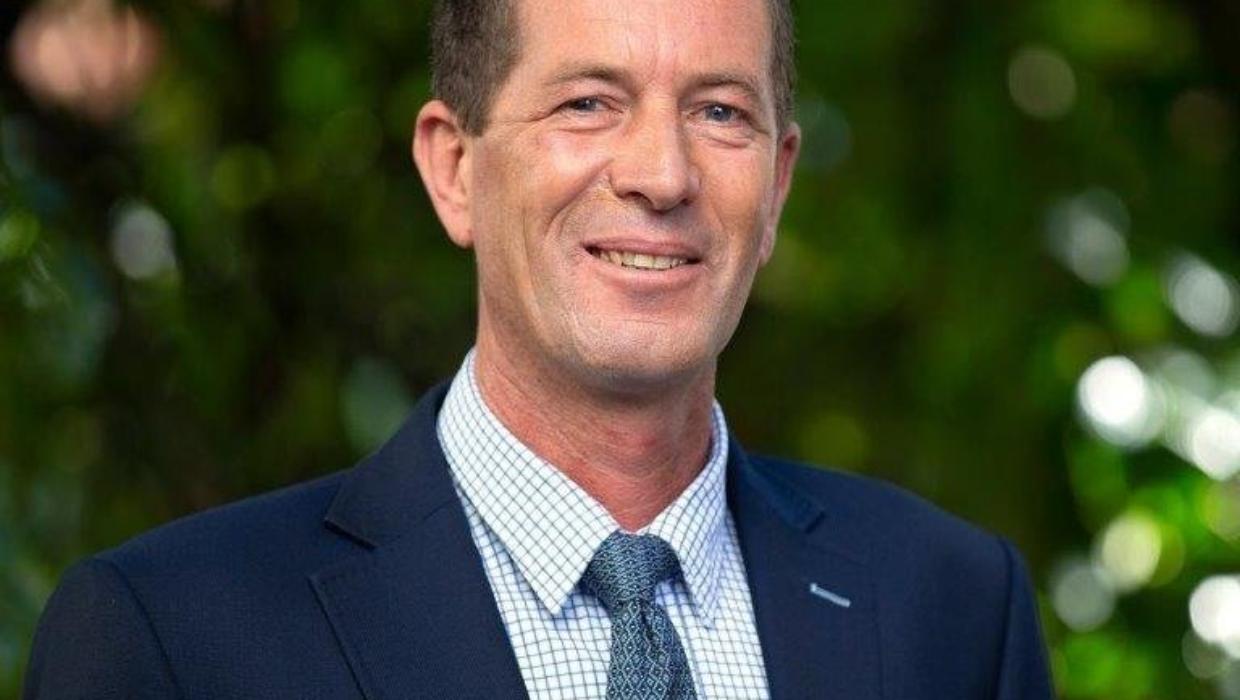
In a significant proposal that could reshape local governance in New Zealand, Wairarapa National MP Mike Butterick has expressed his support for the Government’s reforms aimed at local councils. The proposed changes include the elimination of regional councils, the introduction of a rates cap ranging from 2 to 4 percent, and a simplification of existing planning legislation. Butterick emphasizes the potential for these reforms to transform Wairarapa’s governance landscape.
The reforms, described as the most extensive in a generation, come as the Government seeks to streamline council operations. Butterick noted that the formation of the Local Water Done Well council-controlled organization (CCO) would necessitate a reevaluation of the current council structures. He stated, “Given that the three councils will lose a large part of their function… it’s inevitable that their current shape will need to change.”
An analysis of the proposed changes to the Resource Management Act (RMA) suggests that the Greater Wellington Regional Council could potentially reduce its workload by up to 46 percent, as many resource consents may no longer be necessary. Butterick remarked on the inefficiencies of having multiple governance entities serve around 50,000 residents. He expressed enthusiasm for the exploration of a unitary council, highlighting successful examples from other regions in New Zealand.
Butterick further argued that if the reforms lead to greater efficiencies while ensuring fair representation, there should be little reason to oppose them. He pointed out that the revised RMA will continue to protect the environment, with a reduction in consent requirements applying only to activities with minimal effects. “At the end of the day, we should remember that some of the biggest costs that the councils incur are because of the RMA,” he noted. The burden of these costs ultimately falls on local ratepayers.
Independent economic analysis indicates that the new governance structure could save an estimated $13.3 billion over the next 30 years through reduced administrative and compliance costs. In light of this, Butterick believes councils might expect a substantial decrease in overall workload, which could alleviate pricing pressures for residents.
He encouraged community members to engage with the reform process by providing feedback, emphasizing the importance of public input in what he describes as a “once in a generation opportunity” to reimagine local governance and consenting processes.
In a related announcement, Chris Bishop, the Minister Responsible for RMA Reform, introduced the government’s local government reforms last month. He characterized these changes as a pivotal shift in how cities and regions are planned, aimed at simplifying governance to better serve communities. “The Government does not think local government is serving New Zealanders well and the time has come for reform,” Bishop stated.
The proposals have drawn a range of responses, with Wairarapa-based Labour list MP Kieran McAnulty also providing his views on the matter in a separate report. As the debate surrounding these reforms unfolds, the focus remains on how they will ultimately impact the lives of residents in Wairarapa and across the country.











Glenn Phillips Dazzles Fans with Stunning Six in Super Smash

NZX Closes 2025 Year with 3% Growth Despite Holiday Slowdown

Devon Sawa Reflects on His Journey Since the ’90s Heartthrob Era

Researchers Track Venomous False Widow Spider Hotspots Across New Zealand

Former All Blacks Coach John Mitchell Receives OBE Honor

Wairarapa MP Advocates for Local Council Reforms, Sees Opportunity

Coastguard Faces Tough Decision Amid Storm to Aid Boater

Local SMEs Optimistic for 2026 Despite Inflation Concerns

Devon Sawa Reflects on Three Decades Since His Teen Stardom

Private Funeral Held for Dean Field and His Three Children

Funeral Planned for Field Siblings After Tragic House Fire

Netball New Zealand Stands Down Dame Noeline Taurua for Series

Tributes Pour In for Lachlan Rofe, Reality Star, Dead at 47

New ‘Maverick’ Chaser Joins Beat the Chasers Season Finale

Silver Ferns Legend Laura Langman Criticizes Team’s Attitude

Eli Katoa Rushed to Hospital After Sideline Incident During Match

Netball NZ Calls for Respect Amid Dame Taurua’s Standoff

Investigation Underway in Tragic Sanson House Fire Involving Family
-
 World1 month ago
Private Funeral Held for Dean Field and His Three Children
-
 Top Stories1 month ago
Funeral Planned for Field Siblings After Tragic House Fire
-
 Sports4 months ago
Netball New Zealand Stands Down Dame Noeline Taurua for Series
-
 Entertainment4 months ago
Tributes Pour In for Lachlan Rofe, Reality Star, Dead at 47
-
 Entertainment3 months ago
New ‘Maverick’ Chaser Joins Beat the Chasers Season Finale
-
 Sports4 months ago
Silver Ferns Legend Laura Langman Criticizes Team’s Attitude
-
 Sports2 months ago
Eli Katoa Rushed to Hospital After Sideline Incident During Match
-
 Politics3 months ago
Netball NZ Calls for Respect Amid Dame Taurua’s Standoff
-
 World1 month ago
Investigation Underway in Tragic Sanson House Fire Involving Family
-

 Sports2 weeks ago
Nathan Williamson’s Condition Improves Following Race Fall
-

 Entertainment3 weeks ago
Jacinda Ardern Discusses Popularity Decline on Graham Norton Show
-
 World1 week ago
Investigation Launched Following Boat Fire at Lake Taupō