
Politics
Wellington Faces Economic Concerns Amid Sewage Leak and Rising Unemployment

In a recent discussion on The Huddle, Tim Wilson from the Maxim Institute and Jack Tame from ZB addressed significant issues affecting Wellington. Among the topics was the alarming data from Stats NZ, which revealed that unemployment reached 5.4 percent in the December quarter, marking the highest rate in over a decade. This statistic raises pressing questions about the local economy and its potential recovery in 2024.
Unemployment Rate Raises Concerns
The latest figures from Stats NZ indicate a troubling trend for Wellingtonians, as 5.4 percent unemployment could signal deeper economic challenges. Wilson and Tame analyzed the implications of this statistic on the capital’s workforce and future job opportunities. As the city grapples with these economic realities, residents are left wondering if a turnaround is on the horizon.
“This is a wake-up call for policymakers,” Wilson noted during the conversation. “The rising unemployment should prompt immediate action to support job creation and economic stability.” Tame echoed these sentiments, emphasizing the need for comprehensive strategies to address the issues at hand.
Environmental Incident Sparks Health Concerns
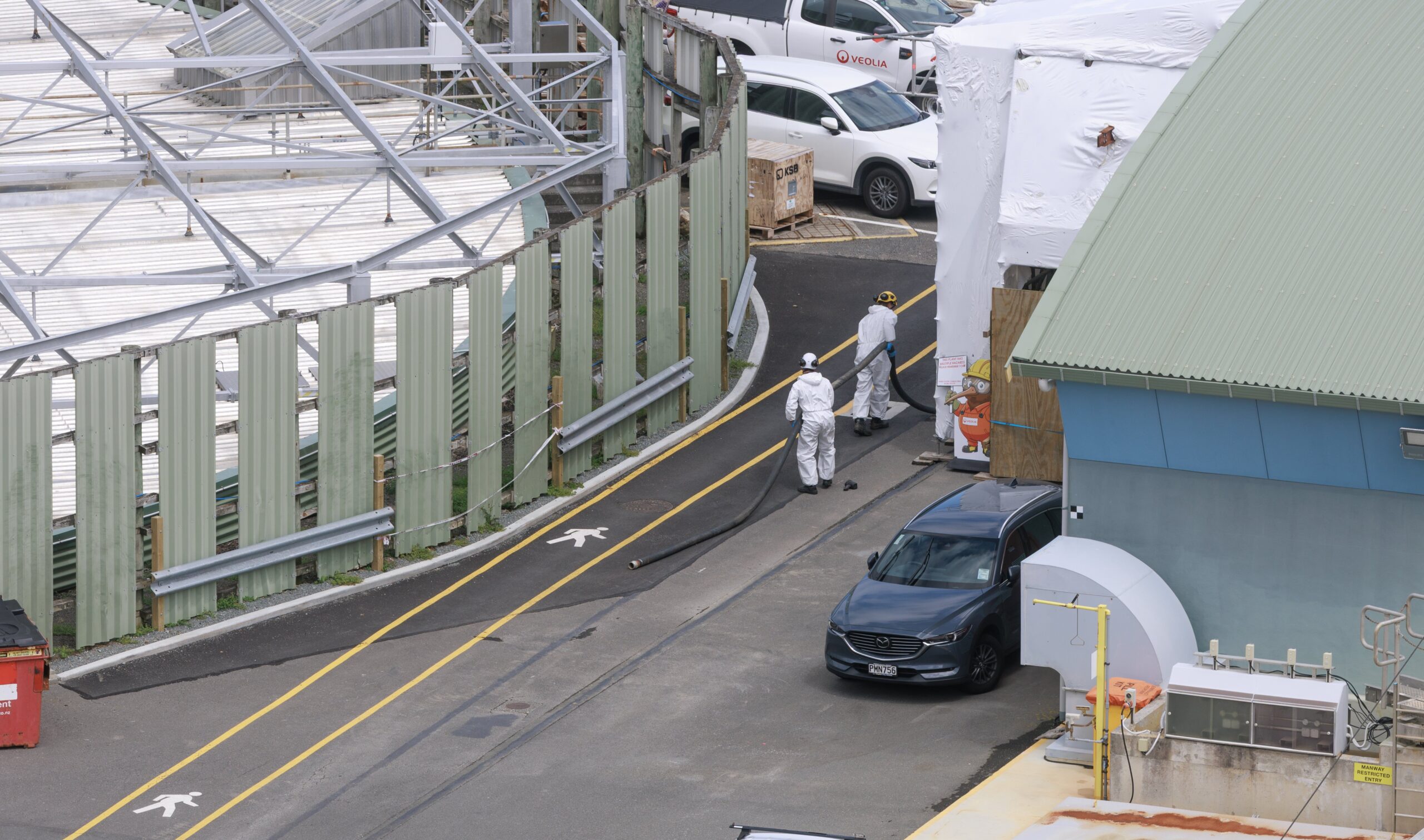
In addition to economic woes, Wellingtonians are facing potential health risks following a significant sewage leak in southern coastal areas. Authorities have warned that it may take months before swimming in these locations is deemed safe again. Residents are questioning whether they should feel outraged by this incident, which has raised alarms about environmental management in the region.
The sewage leak has not only disrupted recreational activities but also sparked discussions about public health and safety. Residents are advocating for faster remediation efforts to ensure the safety of their local beaches. “This incident highlights the need for better infrastructure and more proactive measures to prevent such occurrences,” said Tame.
As Wellington navigates these pressing issues, the conversation also touched on the cultural landscape of the city. A lighter note emerged when discussing whether Petone’s Jackson Street is indeed “cooler” than Cuba Street, a popular destination known for its vibrant atmosphere. This debate reflects the diverse opinions on what makes Wellington unique and appealing to both residents and visitors alike.
The discussion on The Huddle provided valuable insights into the current state of Wellington, emphasizing the intertwining of economic challenges and environmental concerns. As the city looks ahead, the collective voice of its residents will play a crucial role in shaping its future.












New $25 Million Funding Boosts Hospital Capacity Ahead of Winter

Discover Sleep Space’s Affordable Bach Bed Packages Today

Jury Dismissed in Sexual Assault Trial Over Misguided Questions

Wellington’s New Gallery Unveils Community-Driven Art Exhibition

All Whites Face Challenges as Injuries Strike Before World Cup

Heroic Bystander Rescues Swimmers from Dangerous Surf in Napier

Nina Oyama Returns to Crime Comedy in Deadloch Season 2

China Southern Airlines Offers Reliable Journey from Auckland to Vietnam

Nina Oyama Returns to Deadloch for Anticipated Season 2

Community Mourns Teens Lost in Mount Maunganui Landslide

Tributes Pour In for Lachlan Rofe, Reality Star, Dead at 47

Private Funeral Held for Dean Field and His Three Children

Funeral Planned for Field Siblings After Tragic House Fire

Netball New Zealand Stands Down Dame Noeline Taurua for Series

Julian Dennison Ties the Knot with Christian Baledrokadroka in New Zealand

Auckland’s Average Rent Surpasses $700 for Three-Bedroom Homes

Al Waha Motors Opens Flagship Jetour Showroom in Al Khor

New Research Reveals Simple Path to Enhanced Happiness
-
 Top Stories6 months ago
Community Mourns Teens Lost in Mount Maunganui Landslide
-
 Entertainment11 months ago
Tributes Pour In for Lachlan Rofe, Reality Star, Dead at 47
-
 World8 months ago
Private Funeral Held for Dean Field and His Three Children
-
 Top Stories8 months ago
Funeral Planned for Field Siblings After Tragic House Fire
-
 Sports11 months ago
Netball New Zealand Stands Down Dame Noeline Taurua for Series
-
 Entertainment6 months ago
Julian Dennison Ties the Knot with Christian Baledrokadroka in New Zealand
-
 Business7 months ago
Auckland’s Average Rent Surpasses $700 for Three-Bedroom Homes
-
 Health6 months ago
Al Waha Motors Opens Flagship Jetour Showroom in Al Khor
-
 Science9 months ago
New Research Reveals Simple Path to Enhanced Happiness
-

 Entertainment10 months ago
New ‘Maverick’ Chaser Joins Beat the Chasers Season Finale
-

 Lifestyle10 months ago
Maia Wilson Faces Backlash Following Taurua’s Suspension
-

 Sports9 months ago
All Blacks Star Damian McKenzie and Partner Announce Baby News