
Politics
Winston Peters Critiques ‘Rushed’ Free Trade Agreement with India

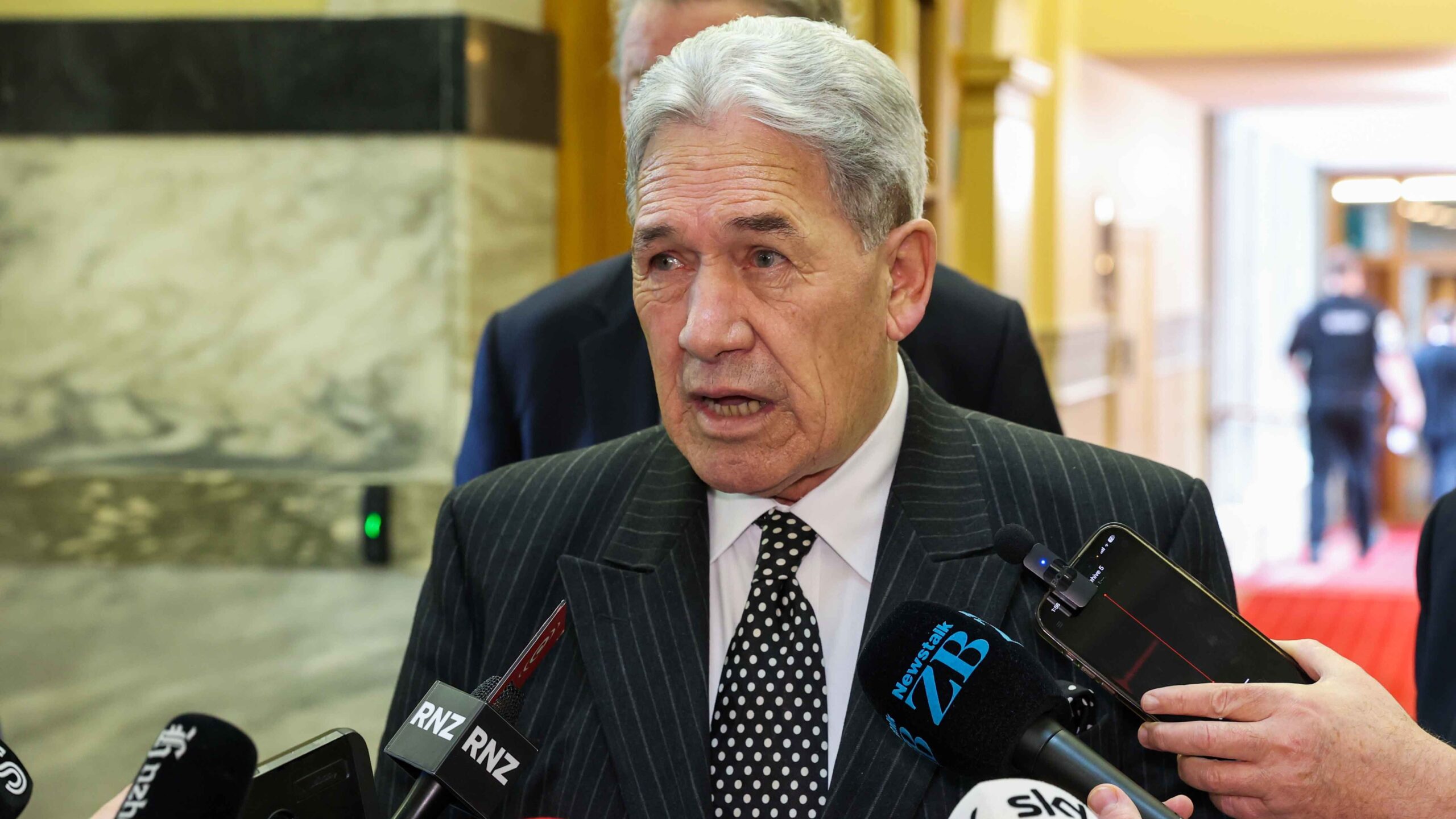
New Zealand First Leader Winston Peters has expressed concern over the newly established Free Trade Agreement with India, describing the deal as “rushed.” The agreement, which emerged after nine months of negotiations, aims to reduce or eliminate 95 percent of export tariffs, introduce targeted temporary work visas, and provide preferential treatment for New Zealand’s apples and manuka honey.
In an interview with radio host Andrew Dickens, Peters criticized the deal, arguing that it grants India excessive concessions regarding immigration and investment. He emphasized that the agreement does little to benefit New Zealand’s vital dairy sector, which is a significant contributor to the country’s economy.
Peters highlighted that the timeframe set by Prime Minister Chris Hipkins left insufficient opportunity for meaningful engagement on the agreement. He contended that more deliberation was necessary to ensure the interests of New Zealand’s agricultural sector were adequately represented.
The Free Trade Agreement with India is seen as a key move to enhance economic ties between the two nations, reflecting a broader strategy to diversify New Zealand’s trade relationships. While the agreement aims to bolster trade, Peters’ comments underline the complexities involved in balancing economic growth with the needs of specific industries.
As the debate continues, New Zealand’s government faces the challenge of implementing this agreement while addressing the concerns raised by Peters and others in the agricultural community. The implications of this deal will likely be scrutinized in the coming months as stakeholders assess its impact on the economy and trade dynamics.








New $25 Million Funding Boosts Hospital Capacity Ahead of Winter

Discover Sleep Space’s Affordable Bach Bed Packages Today

Jury Dismissed in Sexual Assault Trial Over Misguided Questions

Wellington’s New Gallery Unveils Community-Driven Art Exhibition

All Whites Face Challenges as Injuries Strike Before World Cup

Heroic Bystander Rescues Swimmers from Dangerous Surf in Napier

Nina Oyama Returns to Crime Comedy in Deadloch Season 2

China Southern Airlines Offers Reliable Journey from Auckland to Vietnam

Nina Oyama Returns to Deadloch for Anticipated Season 2

Community Mourns Teens Lost in Mount Maunganui Landslide

Tributes Pour In for Lachlan Rofe, Reality Star, Dead at 47

Private Funeral Held for Dean Field and His Three Children

Funeral Planned for Field Siblings After Tragic House Fire

Netball New Zealand Stands Down Dame Noeline Taurua for Series

Julian Dennison Ties the Knot with Christian Baledrokadroka in New Zealand

New Research Reveals Simple Path to Enhanced Happiness

New ‘Maverick’ Chaser Joins Beat the Chasers Season Finale

Silver Ferns Legend Laura Langman Criticizes Team’s Attitude
-
 Top Stories3 months ago
Community Mourns Teens Lost in Mount Maunganui Landslide
-
 Entertainment8 months ago
Tributes Pour In for Lachlan Rofe, Reality Star, Dead at 47
-
 World5 months ago
Private Funeral Held for Dean Field and His Three Children
-
 Top Stories6 months ago
Funeral Planned for Field Siblings After Tragic House Fire
-
 Sports8 months ago
Netball New Zealand Stands Down Dame Noeline Taurua for Series
-
 Entertainment4 months ago
Julian Dennison Ties the Knot with Christian Baledrokadroka in New Zealand
-
 Science6 months ago
New Research Reveals Simple Path to Enhanced Happiness
-
 Entertainment7 months ago
New ‘Maverick’ Chaser Joins Beat the Chasers Season Finale
-
 Sports8 months ago
Silver Ferns Legend Laura Langman Criticizes Team’s Attitude
-

 Sports7 months ago
All Blacks Star Damian McKenzie and Partner Announce Baby News
-

 Sports6 months ago
Eli Katoa Rushed to Hospital After Sideline Incident During Match
-

 Politics7 months ago
Netball NZ Calls for Respect Amid Dame Taurua’s Standoff