
Politics
Winston Peters Dismisses Alliances as NZ’s Election Year Begins

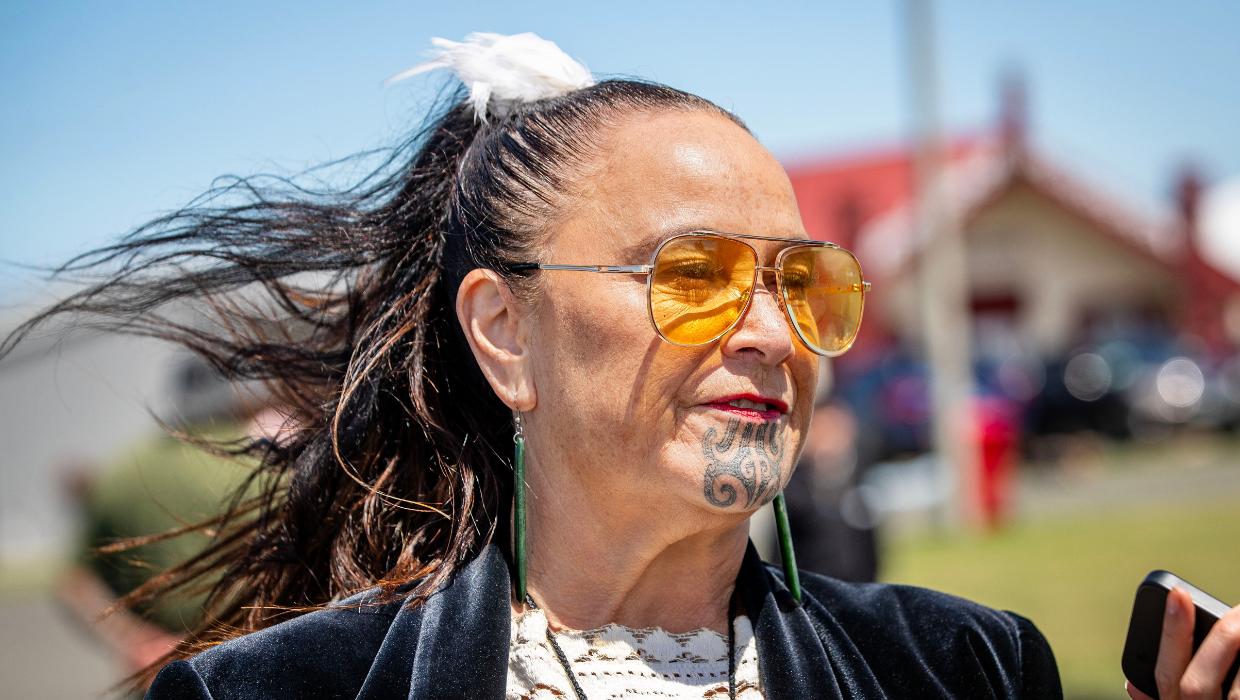
The political landscape in New Zealand shifted dramatically as election year commenced, marked by significant events in Rātana. On Friday, politicians gathered to celebrate the birth of church founder T. W. Rātana, but the occasion was overshadowed by adverse weather conditions and a clear rejection from New Zealand First leader Winston Peters of potential alliances with other parties.
This year’s Rātana celebrations, typically vibrant and sunny, were marred by heavy rain and thunder, a notable departure from previous events. Prime Minister Christopher Luxon was unable to attend due to the severe weather conditions affecting the upper North Island, prompting him to travel instead to the Bay of Plenty. His announcement earlier this week confirmed that the general election will take place on November 7, 2025, reigniting discussions among parties about potential coalitions.
A significant moment came when Debbie Ngarewa-Packer, co-leader of Te Pāti Māori, was asked about the party’s stance towards New Zealand First. Ngarewa-Packer did not dismiss the possibility of collaboration, despite her party’s historical alignment with Labour and the Green Party. She emphasized the importance of engaging with any party committed to the Treaty of Waitangi, stating, “Any party that is committed to the Treaty will be a party that we can at least have some discussions with.”
In contrast, Peters reiterated his firm stance against working with parties that prioritize race-based politics. He remarked, “We’re never going to work with a party based on race,” and when questioned about a potential alliance with Labour, he stated, “We’re never going back there again.” Labour leader Chris Hipkins responded to Peters’ comments, indicating that a vote for New Zealand First would effectively support Luxon.
The atmosphere at Rātana was further complicated by the challenges faced by Te Pāti Māori, which has encountered internal conflicts and is awaiting a court decision regarding the expulsion of one of its MPs. Ngarewa-Packer acknowledged the difficulties within the party but stressed the need for unity. “It’s about coming together and remembering what the celebrations of T.W. Rātana are about,” she said, highlighting the importance of inclusivity.
The turnout at this year’s celebrations was noticeably lower, attributed to the severe weather and landslips that have impacted the region. Politicians took the opportunity to pay tribute to those affected by these events. Hipkins remarked, “These are not one-off events anymore,” underscoring the ongoing challenges posed by climate change and its disproportionate effect on vulnerable communities.
Kiingitanga spokesperson Rahui Papa expressed optimism for the future, noting that despite current challenges, there are opportunities for collaboration between the Māori community and the government. He emphasized the importance of dialogue, stating, “There will be times where Parliament shouldn’t be part of the resolution.”
As the political landscape continues to evolve in the lead-up to the election, the events at Rātana serve as a reminder of the complex dynamics at play within New Zealand’s political framework. The rejection of alliances by key figures like Peters may shape the strategies of various parties as they approach the general election. The focus remains on addressing the needs and concerns of all New Zealanders, particularly those most affected by recent challenges.









New $25 Million Funding Boosts Hospital Capacity Ahead of Winter

Discover Sleep Space’s Affordable Bach Bed Packages Today

Jury Dismissed in Sexual Assault Trial Over Misguided Questions

Wellington’s New Gallery Unveils Community-Driven Art Exhibition

All Whites Face Challenges as Injuries Strike Before World Cup

Heroic Bystander Rescues Swimmers from Dangerous Surf in Napier

Nina Oyama Returns to Crime Comedy in Deadloch Season 2

China Southern Airlines Offers Reliable Journey from Auckland to Vietnam

Nina Oyama Returns to Deadloch for Anticipated Season 2

Community Mourns Teens Lost in Mount Maunganui Landslide

Tributes Pour In for Lachlan Rofe, Reality Star, Dead at 47

Private Funeral Held for Dean Field and His Three Children

Funeral Planned for Field Siblings After Tragic House Fire

Netball New Zealand Stands Down Dame Noeline Taurua for Series

Al Waha Motors Opens Flagship Jetour Showroom in Al Khor

Julian Dennison Ties the Knot with Christian Baledrokadroka in New Zealand

Auckland’s Average Rent Surpasses $700 for Three-Bedroom Homes

New Research Reveals Simple Path to Enhanced Happiness
-
 Top Stories7 months ago
Community Mourns Teens Lost in Mount Maunganui Landslide
-
 Entertainment11 months ago
Tributes Pour In for Lachlan Rofe, Reality Star, Dead at 47
-
 World9 months ago
Private Funeral Held for Dean Field and His Three Children
-
 Top Stories9 months ago
Funeral Planned for Field Siblings After Tragic House Fire
-
 Sports11 months ago
Netball New Zealand Stands Down Dame Noeline Taurua for Series
-
 Health7 months ago
Al Waha Motors Opens Flagship Jetour Showroom in Al Khor
-
 Entertainment7 months ago
Julian Dennison Ties the Knot with Christian Baledrokadroka in New Zealand
-
 Business7 months ago
Auckland’s Average Rent Surpasses $700 for Three-Bedroom Homes
-
 Science10 months ago
New Research Reveals Simple Path to Enhanced Happiness
-

 Entertainment10 months ago
New ‘Maverick’ Chaser Joins Beat the Chasers Season Finale
-

 Lifestyle10 months ago
Maia Wilson Faces Backlash Following Taurua’s Suspension
-

 Sports10 months ago
All Blacks Star Damian McKenzie and Partner Announce Baby News