
Science
AI Thanabots: Exploring Innovations and Ethical Dilemmas in Medicine

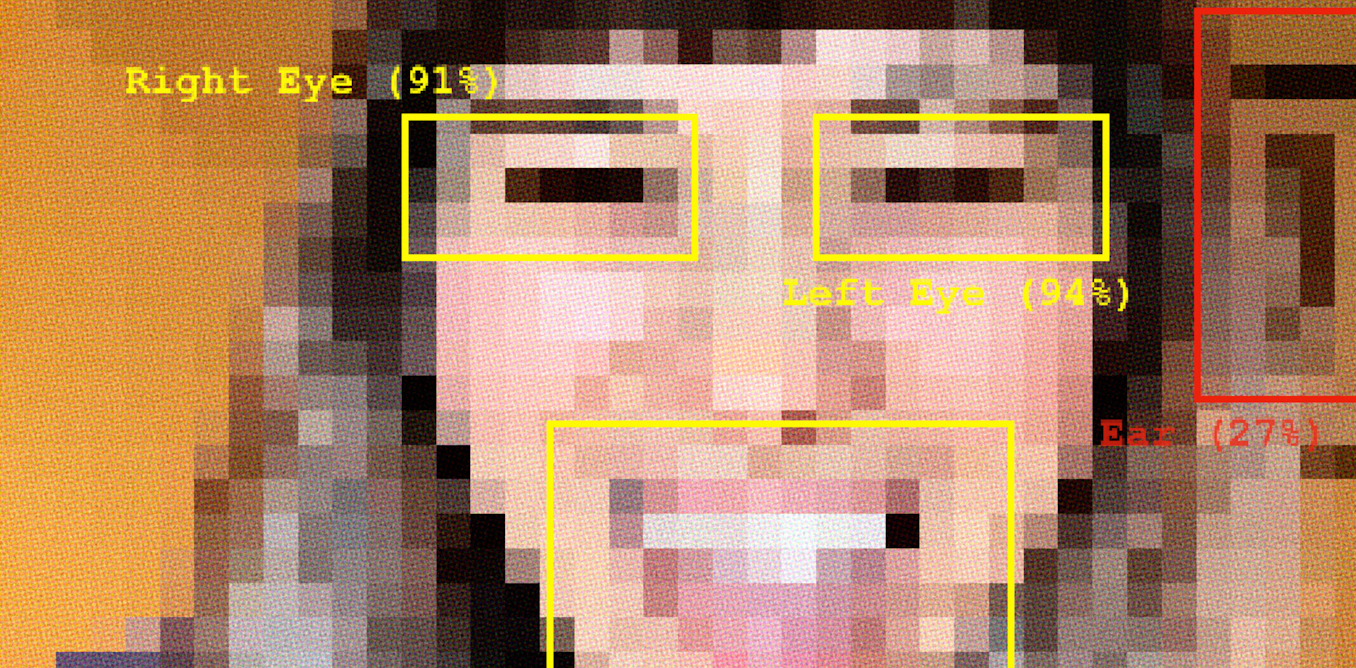
Emerging technologies in artificial intelligence (AI) are sparking a debate over their potential use in medical education, particularly through the concept of “thanabots.” These AI-generated representations of deceased individuals could serve as educational tools, enhancing the learning experience for medical students. Derived from the field of thanatology, which studies death, thanabots could offer personalized interactions during dissections, drawing from real medical histories to improve both factual learning and the development of empathetic skills.
While the idea of integrating thanabots into anatomy education appears promising, it raises significant ethical and philosophical questions. As researchers delve into the implications of these digital replicas, concerns about the nature of death and the appropriateness of such technologies in educational settings are becoming increasingly relevant.
The Rise of Thanabots in Education
Thanabots, also known as deadbots or griefbots, have already started to take form in various applications. Currently, they primarily serve to comfort those in mourning, utilizing technologies such as Project December, which allows users to engage in text-based conversations with the deceased, and Deep Nostalgia, which animates photographs of individuals who have passed away. These innovations reflect a growing acceptance of digital afterlives and suggest a logical extension into medical training.
In an educational context, thanabots could interact with students during dissection labs, answering questions and providing clinical narratives that link anatomical findings to real-life medical cases. Such interactions might not only enhance clinical reasoning but also help students cope with the emotional complexities of engaging with death.
However, the introduction of thanabots into educational frameworks does not come without risks. AI-generated content is susceptible to inaccuracies, and students may face emotional challenges when forming attachments to a digitally resurrected donor. This could lead to a trivialization of the deceased’s reality and affect students’ authentic experiences with mortality.
Ethical and Cultural Considerations
The ethical implications surrounding the use of thanabots are profound, particularly as existing legal frameworks struggle to keep pace with technological advancements. Questions about digital ownership arise: who would hold the rights to a digital representation of a body donor? Furthermore, how can consent for AI usage be ethically obtained from families, while ensuring that medical records are managed with dignity and privacy?
Cultural sensitivities also play a critical role. Many traditions hold death as a sacred event, and the notion of digitally resurrecting the deceased could disrupt established norms surrounding mourning practices. For students from backgrounds with rigid views on postmortem representation, exposure to thanabots may evoke discomfort or distress.
Beyond these practical concerns lies a deeper philosophical inquiry: what does it mean to be dead in an era where technology can seemingly reverse death? The introduction of thanabots could blur the boundaries between life and death, leading to confusion and emotional dissonance among students. This shift may distort their understanding of humanity, particularly if interactions are based on AI proxies rather than real individuals.
While the potential benefits of AI in anatomy education are notable, including enhancing learning experiences and fostering reflection, caution is essential. The allure of technological innovation should not overshadow the need for rigorous ethical governance.
Before integrating these digital representations into educational settings, it is crucial for educators to critically assess what thanabots can teach students about life, death, and human dignity. Balancing educational advancement with ethical integrity will be vital as the conversation surrounding thanabots continues to evolve.
As this field progresses, ongoing dialogue among educators, ethicists, and cultural leaders will be essential in navigating the complexities introduced by these digital entities. The future of medical education may hinge on how society reconciles the benefits of technological advancement with the respect and dignity owed to those who have passed.




New $25 Million Funding Boosts Hospital Capacity Ahead of Winter

Discover Sleep Space’s Affordable Bach Bed Packages Today

Jury Dismissed in Sexual Assault Trial Over Misguided Questions

Wellington’s New Gallery Unveils Community-Driven Art Exhibition

All Whites Face Challenges as Injuries Strike Before World Cup

Heroic Bystander Rescues Swimmers from Dangerous Surf in Napier

Nina Oyama Returns to Crime Comedy in Deadloch Season 2

China Southern Airlines Offers Reliable Journey from Auckland to Vietnam

Nina Oyama Returns to Deadloch for Anticipated Season 2

Community Mourns Teens Lost in Mount Maunganui Landslide

Tributes Pour In for Lachlan Rofe, Reality Star, Dead at 47

Private Funeral Held for Dean Field and His Three Children

Funeral Planned for Field Siblings After Tragic House Fire

Al Waha Motors Opens Flagship Jetour Showroom in Al Khor

Netball New Zealand Stands Down Dame Noeline Taurua for Series

Julian Dennison Ties the Knot with Christian Baledrokadroka in New Zealand

Auckland’s Average Rent Surpasses $700 for Three-Bedroom Homes

New Research Reveals Simple Path to Enhanced Happiness
-
 Top Stories7 months ago
Community Mourns Teens Lost in Mount Maunganui Landslide
-
 Entertainment12 months ago
Tributes Pour In for Lachlan Rofe, Reality Star, Dead at 47
-
 World9 months ago
Private Funeral Held for Dean Field and His Three Children
-
 Top Stories9 months ago
Funeral Planned for Field Siblings After Tragic House Fire
-
 Health7 months ago
Al Waha Motors Opens Flagship Jetour Showroom in Al Khor
-
 Sports12 months ago
Netball New Zealand Stands Down Dame Noeline Taurua for Series
-
 Entertainment7 months ago
Julian Dennison Ties the Knot with Christian Baledrokadroka in New Zealand
-
 Business8 months ago
Auckland’s Average Rent Surpasses $700 for Three-Bedroom Homes
-
 Science10 months ago
New Research Reveals Simple Path to Enhanced Happiness
-

 Entertainment11 months ago
New ‘Maverick’ Chaser Joins Beat the Chasers Season Finale
-

 Lifestyle11 months ago
Maia Wilson Faces Backlash Following Taurua’s Suspension
-

 Sports10 months ago
All Blacks Star Damian McKenzie and Partner Announce Baby News