
Science
Celebrated Scientist Gordon Lauder Remembered for Pioneering Work

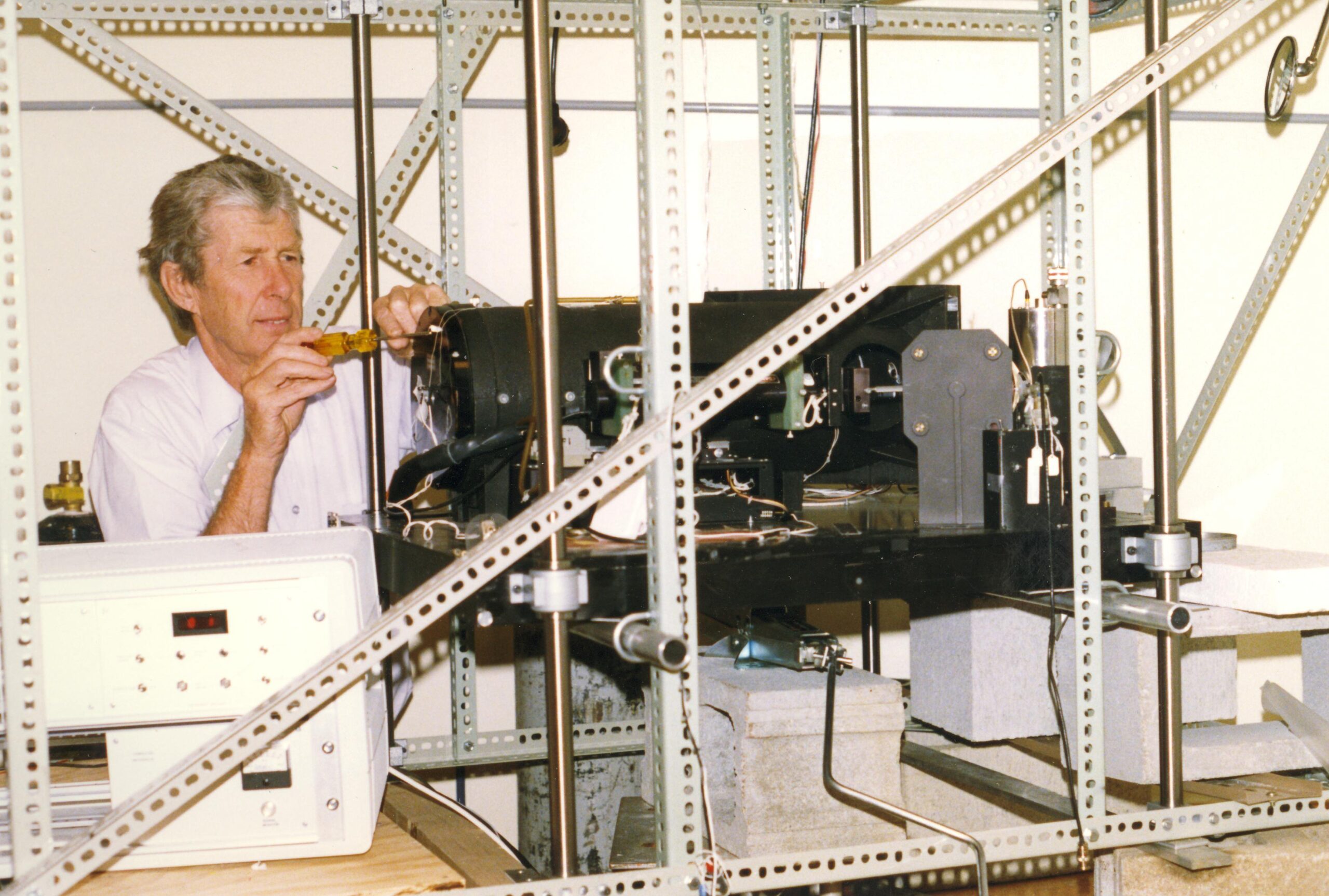
Gordon Lauder, a distinguished scientist known for his extensive contributions to atmospheric research and polar studies, passed away on November 6, 2025, just shy of his 95th birthday. His pioneering work took him across the globe, from the Arctic to the Antarctic, where he investigated vital aspects of the Earth’s crust and atmosphere.
A Pioneering Career Spanning Decades
After completing his education at Mt Albert Grammar and spending a year at the University of Auckland, Lauder embarked on a remarkable career that included extensive fieldwork in regions such as Brisbane, Darwin, Rarotonga, and Samoa. His research encompassed a wide range of scientific inquiries, including mineral prospecting through the analysis of radioactivity and gravity anomalies, and studying the upper atmosphere to understand the impacts of solar activity and nuclear testing.
Lauder’s work in the tropics laid the groundwork for his later studies, which focused on the interactions between solar radiation and the Earth’s atmosphere. Notably, his early research contributed to the understanding of phenomena significant for compass navigation and short-wave radio communication, which were crucial during the late 20th century.
Significant Contributions to Antarctic Research
In 1963, Lauder joined the DSIR Auroral Station in New Zealand, which would later become part of Niwa (now Earth Sciences New Zealand). His involvement with Antarctic research began in earnest in 1967, prior to the discovery of the ozone hole. His research focused on atmospheric interactions and would eventually provide critical insights into the causes of ozone depletion.
“Gordon’s contributions to Antarctic research were remarkable and have left a lasting legacy,” said a colleague from Niwa.
His efforts were formally recognized in several notable ways. In 1994, Lauder was invited to present New Zealand’s contributions to atmospheric research during a discussion with Prince Charles at the Antarctic Centre in Christchurch. He received the Royal Society of New Zealand’s Science and Technology Silver Medal in 1995, and in 2001, the New Zealand Geographical Board honored him by naming Keys Hill near Scott Base in his name.
Throughout his career, Lauder published up to 60 scientific papers and authored a book titled Stranded in Paradise, published in 2016, which recounts his adventures in Rarotonga, including salvaging propeller blades from a shipwreck.
A Legacy Beyond Science
Lauder’s interests extended beyond science; he was a talented musician and an active member of the community. He directed musical performances with the Omakau Musical Society and participated in the local Art Society and the Rotary Club of Alexandra, where he served as president for multiple terms.
In addition to his professional achievements, Lauder was a passionate sportsman. He continued playing tennis into his 90s and played a crucial role in establishing a recreational facility in Alexandra in 2011.
Lauder is survived by his children, Geoffrey and Christina Parker, as well as his grandchildren, John and Camille, and great-grandchild Roimata. He will be remembered for his scientific contributions and the vibrant life he shared with his late wife, Rima, and their family.












New $25 Million Funding Boosts Hospital Capacity Ahead of Winter

Discover Sleep Space’s Affordable Bach Bed Packages Today

Jury Dismissed in Sexual Assault Trial Over Misguided Questions

Wellington’s New Gallery Unveils Community-Driven Art Exhibition

All Whites Face Challenges as Injuries Strike Before World Cup

Heroic Bystander Rescues Swimmers from Dangerous Surf in Napier

Nina Oyama Returns to Crime Comedy in Deadloch Season 2

China Southern Airlines Offers Reliable Journey from Auckland to Vietnam

Nina Oyama Returns to Deadloch for Anticipated Season 2

Community Mourns Teens Lost in Mount Maunganui Landslide

Tributes Pour In for Lachlan Rofe, Reality Star, Dead at 47

Private Funeral Held for Dean Field and His Three Children

Funeral Planned for Field Siblings After Tragic House Fire

Netball New Zealand Stands Down Dame Noeline Taurua for Series

Al Waha Motors Opens Flagship Jetour Showroom in Al Khor

Julian Dennison Ties the Knot with Christian Baledrokadroka in New Zealand

Auckland’s Average Rent Surpasses $700 for Three-Bedroom Homes

New Research Reveals Simple Path to Enhanced Happiness
-
 Top Stories7 months ago
Community Mourns Teens Lost in Mount Maunganui Landslide
-
 Entertainment11 months ago
Tributes Pour In for Lachlan Rofe, Reality Star, Dead at 47
-
 World9 months ago
Private Funeral Held for Dean Field and His Three Children
-
 Top Stories9 months ago
Funeral Planned for Field Siblings After Tragic House Fire
-
 Sports11 months ago
Netball New Zealand Stands Down Dame Noeline Taurua for Series
-
 Health7 months ago
Al Waha Motors Opens Flagship Jetour Showroom in Al Khor
-
 Entertainment7 months ago
Julian Dennison Ties the Knot with Christian Baledrokadroka in New Zealand
-
 Business7 months ago
Auckland’s Average Rent Surpasses $700 for Three-Bedroom Homes
-
 Science10 months ago
New Research Reveals Simple Path to Enhanced Happiness
-

 Entertainment10 months ago
New ‘Maverick’ Chaser Joins Beat the Chasers Season Finale
-

 Lifestyle11 months ago
Maia Wilson Faces Backlash Following Taurua’s Suspension
-

 Sports10 months ago
All Blacks Star Damian McKenzie and Partner Announce Baby News