
Science
Discovering Anauralia: The Quiet Minds Among Us

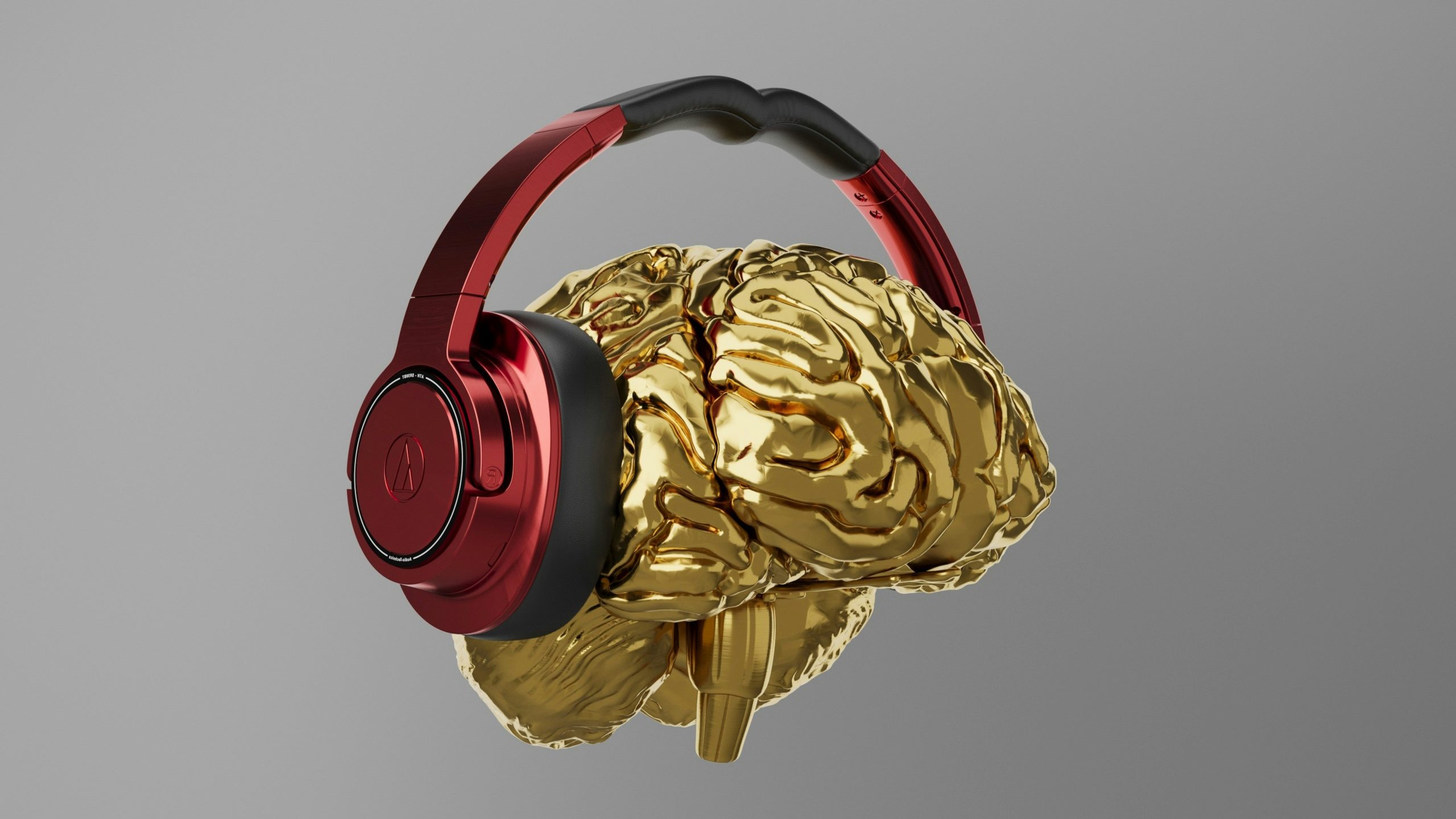
A recent study led by Professor Tony Lambert at the University of Auckland has shed light on a unique condition known as anauralia, which describes the complete absence of auditory imagery. This fascinating research explores how some individuals cannot “hear” sounds in their minds, offering insights into the diverse ways our brains process information.
The concept of anauralia emerged when Lambert began investigating participants who reported an inability to hear internal sounds during visual imagery studies. “Anauralia is a complete absence of auditory imagery,” Lambert explains. Individuals affected by this condition cannot imagine the sound of their favorite song, the voice of a loved one, or even the noise of everyday life, such as a lawnmower.
To assess auditory imagery, Lambert developed a simple test. Participants are asked to imagine sounds, such as an ambulance siren or a familiar piece of music, and then rate how vividly they perceive these sounds on a scale from one to seven. A rating of seven indicates clarity akin to actually hearing the sound, while those in the anauralic category typically score one or zero.
In a national survey conducted in collaboration with the New Zealand Attitudes and Values Study, which included over 32,000 respondents, approximately 25% reported having vivid auditory imagery, a category Lambert terms “hyperauralic.” Conversely, just under 1% of participants scored zero, indicating that around one in every hundred New Zealanders experiences this silent mind phenomenon.
PhD candidate Sang Hyun Kim, a mathematician and accomplished brass player, discovered he had anauralia after discussing the concept with a friend. “My world had always been so silent in my mind,” Kim remarked, illustrating the confusion many face when learning about the inner voices others experience. For Kim, this realization clarified a long-standing question related to his music training; he had always struggled to “hear the music before you play it,” a common piece of advice for musicians.
Though he cannot hear sounds in his mind, Kim finds alternative ways to engage with music, often singing out loud to identify pitch and character. “I appreciate the silence that I do have in my mind,” he stated, noting that it even aids in his meditation practice. He expressed a wish at times to carry a mantra in his head, but does not let his condition define him.
Anauralia frequently coexists with aphantasia, the inability to visualize images in one’s mind, further complicating the understanding of how individuals process sensory information. Lambert initially hypothesized that individuals lacking visual imagery might compensate with stronger auditory imagery, but found this was not the case. “Most people who have one also have the other. It’s not a trade-off,” he admitted.
Occupational therapist Jessie Donaldson also identified with anauralia after learning about the research. “I know what a dog sounds like barking, but I can’t hear it,” she described. This condition can raise concerns for her loved ones, as her husband worries about her memory of him. “Just because I can’t picture his face on demand doesn’t mean I’ll forget him,” Donaldson reassured.
The research team, including Zoe Schelp, has utilized MRI and EEG technology to analyze brain activity in individuals with and without auditory imagery. Preliminary findings suggest that the brain activation patterns are strikingly similar between both groups during various tasks. “The brain’s hardware is running, the mouse is working, but the screen’s blank,” Schelp noted, indicating that those with anauralia can still describe sounds and play music, despite their inability to hear them internally.
Lambert emphasized that this research highlights the importance of recognizing neurodiversity, which includes variations in how people think and process information. “The importance of this work is bringing to people’s attention another dimension of neurodiversity – one that’s been somewhat hidden,” he stated.
These findings carry significant implications across various fields. Music educators might consider adapting their teaching methods for anauralic students, ensuring they do not rely on auditory practices that assume the ability to “hear” internal sounds. Furthermore, therapists could rethink mindfulness exercises that depend on visualization techniques, as individuals with aphantasia may struggle with such approaches.
In conclusion, the exploration of anauralia reveals a rich tapestry of human experience and understanding. Lambert’s research, featured in the latest episode of the Ingenious podcast, invites listeners to reflect on how diverse cognitive processes shape our interactions with the world.









New $25 Million Funding Boosts Hospital Capacity Ahead of Winter

Discover Sleep Space’s Affordable Bach Bed Packages Today

Jury Dismissed in Sexual Assault Trial Over Misguided Questions

Wellington’s New Gallery Unveils Community-Driven Art Exhibition

All Whites Face Challenges as Injuries Strike Before World Cup

Heroic Bystander Rescues Swimmers from Dangerous Surf in Napier

Nina Oyama Returns to Crime Comedy in Deadloch Season 2

China Southern Airlines Offers Reliable Journey from Auckland to Vietnam

Nina Oyama Returns to Deadloch for Anticipated Season 2

Community Mourns Teens Lost in Mount Maunganui Landslide

Tributes Pour In for Lachlan Rofe, Reality Star, Dead at 47

Private Funeral Held for Dean Field and His Three Children

Funeral Planned for Field Siblings After Tragic House Fire

Netball New Zealand Stands Down Dame Noeline Taurua for Series

Julian Dennison Ties the Knot with Christian Baledrokadroka in New Zealand

New Research Reveals Simple Path to Enhanced Happiness

New ‘Maverick’ Chaser Joins Beat the Chasers Season Finale

Maia Wilson Faces Backlash Following Taurua’s Suspension
-
 Top Stories5 months ago
Community Mourns Teens Lost in Mount Maunganui Landslide
-
 Entertainment10 months ago
Tributes Pour In for Lachlan Rofe, Reality Star, Dead at 47
-
 World7 months ago
Private Funeral Held for Dean Field and His Three Children
-
 Top Stories7 months ago
Funeral Planned for Field Siblings After Tragic House Fire
-
 Sports10 months ago
Netball New Zealand Stands Down Dame Noeline Taurua for Series
-
 Entertainment5 months ago
Julian Dennison Ties the Knot with Christian Baledrokadroka in New Zealand
-
 Science8 months ago
New Research Reveals Simple Path to Enhanced Happiness
-
 Entertainment9 months ago
New ‘Maverick’ Chaser Joins Beat the Chasers Season Finale
-
 Lifestyle9 months ago
Maia Wilson Faces Backlash Following Taurua’s Suspension
-

 Sports8 months ago
All Blacks Star Damian McKenzie and Partner Announce Baby News
-

 Sports10 months ago
Silver Ferns Legend Laura Langman Criticizes Team’s Attitude
-
 Sports8 months ago
Eli Katoa Rushed to Hospital After Sideline Incident During Match