
Science
Exploring ‘Work Magnet’ and ‘Work Repeller’ Dynamics in Offices

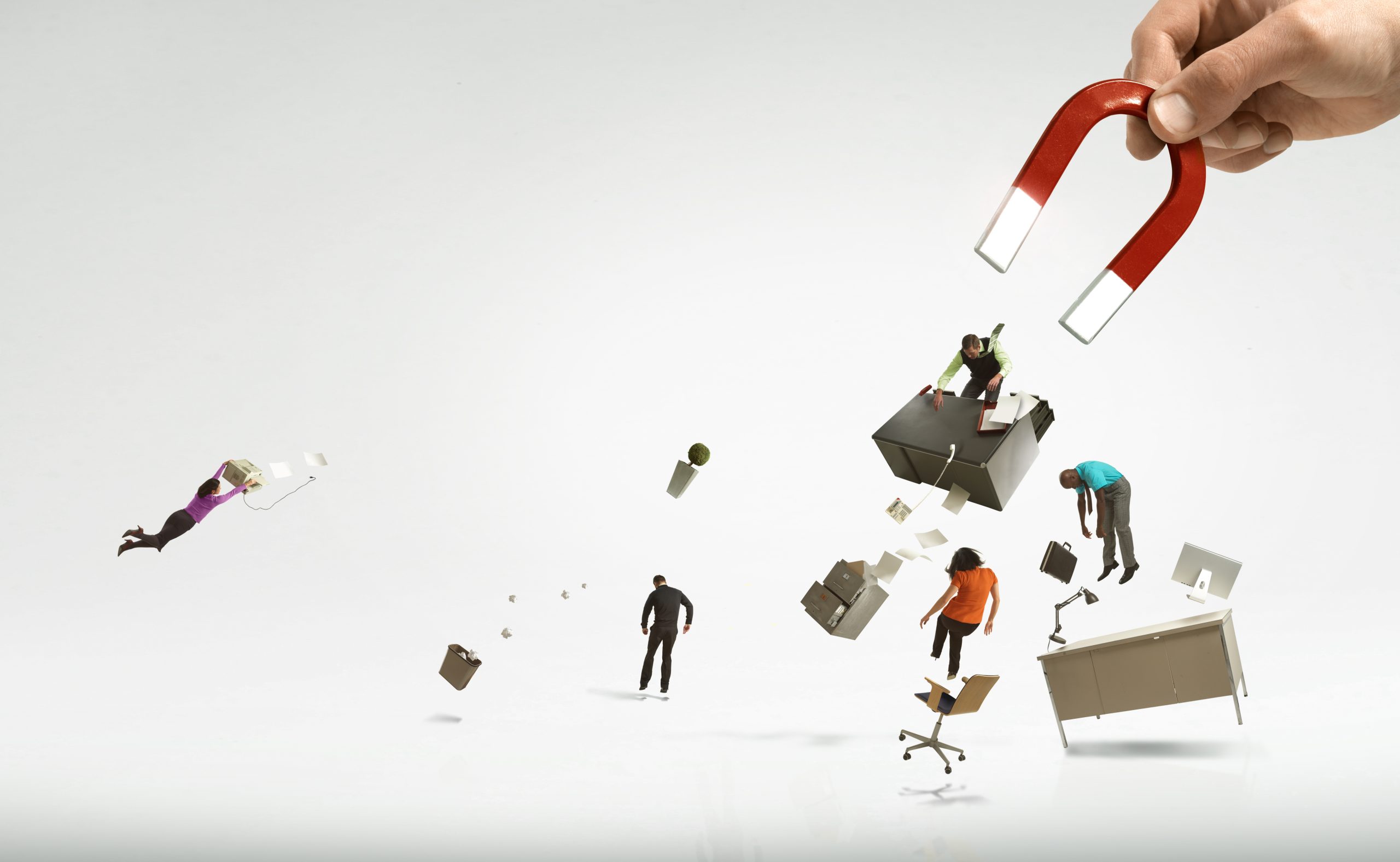
A recent study from researchers at Victoria University of Wellington has introduced the concepts of “work magnets” and “work repellers” to explain the uneven distribution of workload in office environments. The findings highlight how certain individuals consistently attract requests for assistance, whereas others may not receive similar opportunities despite being equally capable.
The term “work magnet” describes those who are seen as reliable and competent, often stepping in to resolve issues or take on additional tasks without hesitation. These individuals are perceived by their colleagues as possessing a desirable mix of attributes, including competence, reliability, and notably, agreeableness. In contrast, “work repellers” are those who, despite their availability, are seldom approached for help.
Understanding Work Magnetism
The study suggests that the phenomenon of work magnetism stems from two primary factors: the perception of the individual by their co-workers and their formal position within the workplace hierarchy.
According to the research, work magnets typically embody characteristics that align with the “ideal helper” archetype. Colleagues view them as approachable and willing to assist, which increases the likelihood that they will be asked to contribute to various tasks. This is particularly relevant in environments where teamwork is essential, and the ability to collaborate effectively is valued.
Interestingly, the study indicates that stereotypes can significantly influence these perceptions. For instance, women and ethnic minorities may be viewed as more agreeable or approachable, leading to them being perceived as ideal helpers. Unfortunately, this perception can also result in these individuals being overwhelmed with responsibilities that are not formally recognized or rewarded, potentially hindering their career advancement.
The Role of Workplace Position
Another crucial aspect of work magnetism is the individual’s position within the workplace. Those who hold roles that are equal to or lower than their colleagues are more likely to be approached for additional tasks. This dynamic underscores the significance of workplace networks; individuals who are central to the organizational structure often find themselves inundated with requests.
Additionally, the clarity of job descriptions plays a role in this phenomenon. Employees with ambiguous responsibilities may be viewed as more suitable candidates for ad hoc tasks, further increasing their workload.
The prevailing advice for individuals struggling with excessive workloads typically emphasizes the importance of learning to say “no.” While this may address personal agency, it overlooks the broader societal and organizational factors contributing to work magnetism.
The research posits that while individuals may inadvertently enhance their magnetism through their willingness to assist, external factors such as gender stereotypes, minority status, and hierarchical positioning also significantly contribute to their experiences.
As the study progresses, researchers are keen to explore further how these dynamics play out in various organizational contexts. They invite feedback from those who recognize themselves or their colleagues in these descriptions, aiming to deepen the understanding of workplace behavior.
The implications of this research extend beyond individual experiences; they raise critical questions about workload distribution and the potential for burnout among those identified as work magnets. Balancing the dynamics of workplace assistance with the well-being of employees remains a vital area for ongoing exploration.
For those interested in contributing to this discussion, researchers Rebecca Downes and Ben Walker welcome insights via email at [email protected] or [email protected].









New $25 Million Funding Boosts Hospital Capacity Ahead of Winter

Discover Sleep Space’s Affordable Bach Bed Packages Today

Jury Dismissed in Sexual Assault Trial Over Misguided Questions

Wellington’s New Gallery Unveils Community-Driven Art Exhibition

All Whites Face Challenges as Injuries Strike Before World Cup

Heroic Bystander Rescues Swimmers from Dangerous Surf in Napier

Nina Oyama Returns to Crime Comedy in Deadloch Season 2

China Southern Airlines Offers Reliable Journey from Auckland to Vietnam

Nina Oyama Returns to Deadloch for Anticipated Season 2

Community Mourns Teens Lost in Mount Maunganui Landslide

Tributes Pour In for Lachlan Rofe, Reality Star, Dead at 47

Private Funeral Held for Dean Field and His Three Children

Funeral Planned for Field Siblings After Tragic House Fire

Netball New Zealand Stands Down Dame Noeline Taurua for Series

Al Waha Motors Opens Flagship Jetour Showroom in Al Khor

Julian Dennison Ties the Knot with Christian Baledrokadroka in New Zealand

Auckland’s Average Rent Surpasses $700 for Three-Bedroom Homes

New Research Reveals Simple Path to Enhanced Happiness
-
 Top Stories7 months ago
Community Mourns Teens Lost in Mount Maunganui Landslide
-
 Entertainment11 months ago
Tributes Pour In for Lachlan Rofe, Reality Star, Dead at 47
-
 World9 months ago
Private Funeral Held for Dean Field and His Three Children
-
 Top Stories9 months ago
Funeral Planned for Field Siblings After Tragic House Fire
-
 Sports11 months ago
Netball New Zealand Stands Down Dame Noeline Taurua for Series
-
 Health7 months ago
Al Waha Motors Opens Flagship Jetour Showroom in Al Khor
-
 Entertainment7 months ago
Julian Dennison Ties the Knot with Christian Baledrokadroka in New Zealand
-
 Business7 months ago
Auckland’s Average Rent Surpasses $700 for Three-Bedroom Homes
-
 Science10 months ago
New Research Reveals Simple Path to Enhanced Happiness
-

 Entertainment10 months ago
New ‘Maverick’ Chaser Joins Beat the Chasers Season Finale
-

 Lifestyle10 months ago
Maia Wilson Faces Backlash Following Taurua’s Suspension
-

 Sports10 months ago
All Blacks Star Damian McKenzie and Partner Announce Baby News