
Science
Leading Scientist Warns of Brain Drain Amid Poor Funding in NZ

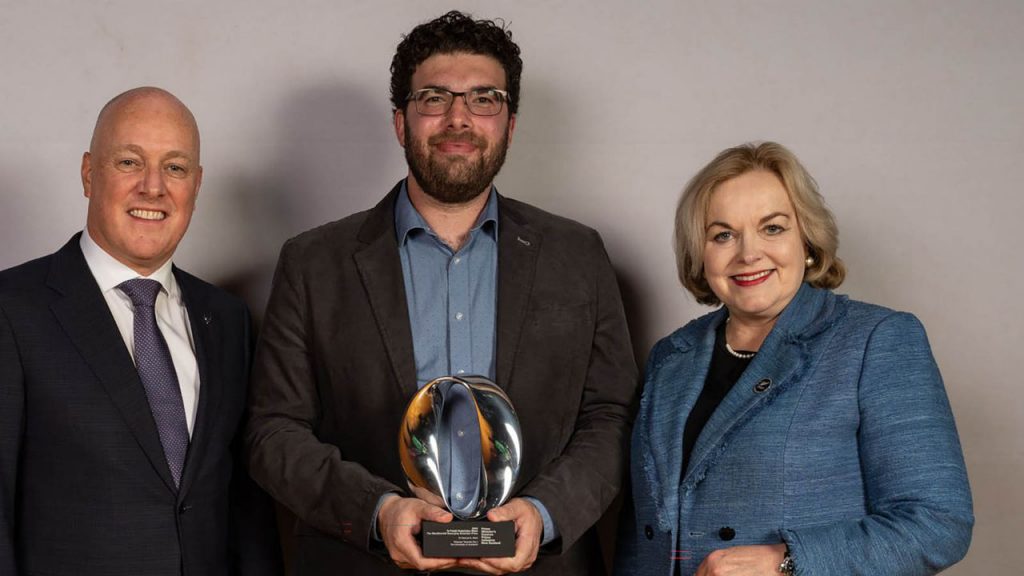
Cognitive scientist Samuel Mehr, who was awarded New Zealand’s top science prize last year, has issued a stark warning about the country’s scientific future. He claims that unless there is a significant overhaul of the “laughably pathetic” funding system, New Zealand risks losing its most talented researchers to overseas institutions.
The current funding landscape, according to Mehr, has severely undermined New Zealand’s reputation as an innovation hub. Over the past decade, he points out that the nation has seen a substantial decline in its standing within the global scientific community. As he puts it, recent restructures and budget cuts have only added “insult to injury,” exacerbating the exodus of top minds in the field.
Funding Cuts and Their Impact
In his assessment, Mehr highlights that the government’s investment in research and development has not kept pace with the growing demands of the scientific community. He references data from the Ministry of Business, Innovation and Employment (MBIE), which indicates that New Zealand’s expenditure on research as a percentage of GDP has stagnated at around 1.3%, significantly lower than the OECD average of 2.4%.
This decline is particularly concerning given that many of the country’s leading researchers are facing increasing pressure to relocate to countries with more robust funding systems. According to Mehr, this trend is not just detrimental to individual careers but poses a serious threat to New Zealand’s innovative potential.
The cognitive scientist cites specific examples of researchers who have left for better opportunities abroad, reinforcing the notion that the current funding model is not sustainable. With the competitive landscape for scientific talent becoming ever more intense, retaining homegrown talent is crucial for New Zealand’s future.
The Call for Change
Mehr urges policymakers to reassess their priorities regarding science funding. He believes that a more strategic investment in research could not only retain existing talent but also attract international researchers to New Zealand. “We need to create an environment where scientists can thrive,” Mehr states emphatically. “Without a significant boost in funding, the best minds will continue to seek opportunities elsewhere.”
In light of these concerns, the scientific community is calling on the government to take immediate action. Experts are advocating for policies that support increased funding for research initiatives, particularly in fields that are vital for New Zealand’s economic and social development.
As the debate over science funding continues, the implications of these discussions are becoming increasingly significant. The future of New Zealand’s scientific landscape hangs in the balance, and the time for action is now. Without meaningful changes, the country risks becoming a shadow of its former self in the realm of innovation.









New $25 Million Funding Boosts Hospital Capacity Ahead of Winter

Discover Sleep Space’s Affordable Bach Bed Packages Today

Jury Dismissed in Sexual Assault Trial Over Misguided Questions

Wellington’s New Gallery Unveils Community-Driven Art Exhibition

All Whites Face Challenges as Injuries Strike Before World Cup

Heroic Bystander Rescues Swimmers from Dangerous Surf in Napier

Nina Oyama Returns to Crime Comedy in Deadloch Season 2

China Southern Airlines Offers Reliable Journey from Auckland to Vietnam

Nina Oyama Returns to Deadloch for Anticipated Season 2

Community Mourns Teens Lost in Mount Maunganui Landslide

Tributes Pour In for Lachlan Rofe, Reality Star, Dead at 47

Private Funeral Held for Dean Field and His Three Children

Funeral Planned for Field Siblings After Tragic House Fire

Al Waha Motors Opens Flagship Jetour Showroom in Al Khor

Netball New Zealand Stands Down Dame Noeline Taurua for Series

Julian Dennison Ties the Knot with Christian Baledrokadroka in New Zealand

Auckland’s Average Rent Surpasses $700 for Three-Bedroom Homes

New Research Reveals Simple Path to Enhanced Happiness
-
 Top Stories7 months ago
Community Mourns Teens Lost in Mount Maunganui Landslide
-
 Entertainment11 months ago
Tributes Pour In for Lachlan Rofe, Reality Star, Dead at 47
-
 World9 months ago
Private Funeral Held for Dean Field and His Three Children
-
 Top Stories9 months ago
Funeral Planned for Field Siblings After Tragic House Fire
-
 Health7 months ago
Al Waha Motors Opens Flagship Jetour Showroom in Al Khor
-
 Sports11 months ago
Netball New Zealand Stands Down Dame Noeline Taurua for Series
-
 Entertainment7 months ago
Julian Dennison Ties the Knot with Christian Baledrokadroka in New Zealand
-
 Business8 months ago
Auckland’s Average Rent Surpasses $700 for Three-Bedroom Homes
-
 Science10 months ago
New Research Reveals Simple Path to Enhanced Happiness
-

 Entertainment10 months ago
New ‘Maverick’ Chaser Joins Beat the Chasers Season Finale
-

 Lifestyle11 months ago
Maia Wilson Faces Backlash Following Taurua’s Suspension
-

 Sports10 months ago
All Blacks Star Damian McKenzie and Partner Announce Baby News