
Science
New Zealand Student to Showcase Innovative Project at US Science Fair

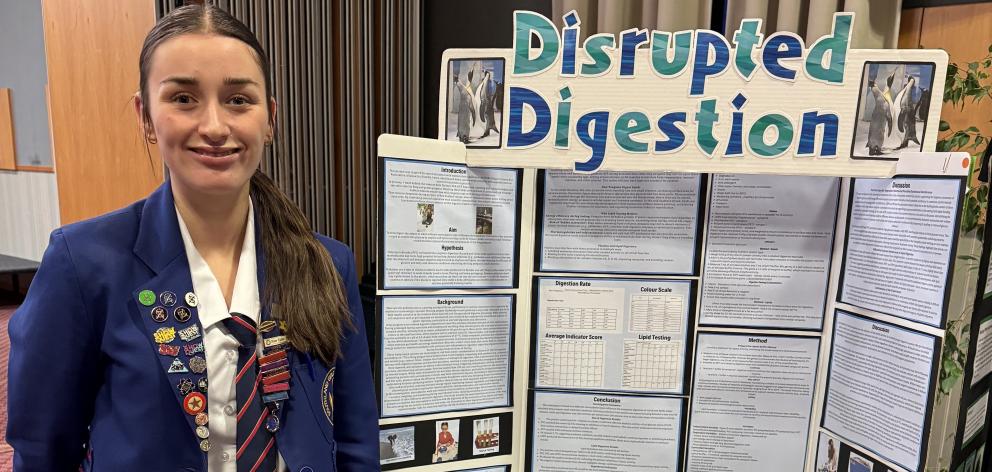
Seventeen-year-old Sophie Ineson has been selected to represent New Zealand at the International Science and Engineering Fair (ISEF) in the United States in May 2024. Her project, titled “Disrupted Digestion,” was one of only two chosen by judges from Royal Society Te Apārangi after a competitive selection process that included seven science projects from students in years 11 to 13 across various regional science fairs.
Sophie’s recognition follows her recent success in winning the $50,000 Prime Minister’s Space Prize for Student Endeavour. This award was for a project focused on healing wounds in space, showcasing her innovative thinking and dedication to scientific research. Reflecting on her journey, Sophie expressed her gratitude for the opportunity to participate in such a prestigious event.
Inspiration Behind the Project
The inspiration for “Disrupted Digestion” came from a personal experience Sophie had a few years ago when she encountered a sick penguin at a sanctuary. This moment left a profound impact on her. “Penguins are also my favourite animal, so that really hit hard for me, looking at this poor little penguin who could hardly even walk, just because of eating a little tiny bit of plastic,” she shared.
Her project investigates the effects of plastic on penguin digestion, particularly focusing on how different types of plastics interact with the enzymes found in the stomachs of king penguins. During her research, Sophie utilized enzymes, specifically lipase and amylase, which she could safely access. She discovered that plastics indeed disrupt digestion, with the extent of the interference varying based on factors such as size, density, and chemical composition of the plastic.
Sophie’s commitment to marine conservation was further solidified during a sailing trip with the Spirit of Adventure last year. This experience allowed her to witness firsthand the significant amounts of plastic pollution in the Hauraki Gulf. She noted, “I think that some people may not even consider how much of an impact maybe their plastic straw or just not disposing of the waste properly has on the penguins.”
Support and Future Aspirations
To prepare Sophie for her participation in the international fair, a member of the Royal Society’s scientific review committee will mentor her, providing guidance to refine her project. Dame Jane Harding, president of Royal Society Te Apārangi, highlighted the importance of science fairs in fostering student excellence. She stated, “Science and technology fairs offer students valuable opportunities to apply scientific investigation to real-world problems, while strengthening their critical thinking, creativity, and communication skills.”
As Sophie looks ahead to the ISEF, she remains optimistic and excited about sharing her findings with a global audience. Her dedication to raising awareness about the impact of plastic on wildlife reflects a growing concern for environmental issues that resonate with many young scientists today.









New $25 Million Funding Boosts Hospital Capacity Ahead of Winter

Discover Sleep Space’s Affordable Bach Bed Packages Today

Jury Dismissed in Sexual Assault Trial Over Misguided Questions

Wellington’s New Gallery Unveils Community-Driven Art Exhibition

All Whites Face Challenges as Injuries Strike Before World Cup

Heroic Bystander Rescues Swimmers from Dangerous Surf in Napier

Nina Oyama Returns to Crime Comedy in Deadloch Season 2

China Southern Airlines Offers Reliable Journey from Auckland to Vietnam

Nina Oyama Returns to Deadloch for Anticipated Season 2

Community Mourns Teens Lost in Mount Maunganui Landslide

Tributes Pour In for Lachlan Rofe, Reality Star, Dead at 47

Private Funeral Held for Dean Field and His Three Children

Funeral Planned for Field Siblings After Tragic House Fire

Netball New Zealand Stands Down Dame Noeline Taurua for Series

Julian Dennison Ties the Knot with Christian Baledrokadroka in New Zealand

New Research Reveals Simple Path to Enhanced Happiness

New ‘Maverick’ Chaser Joins Beat the Chasers Season Finale

Maia Wilson Faces Backlash Following Taurua’s Suspension
-
 Top Stories6 months ago
Community Mourns Teens Lost in Mount Maunganui Landslide
-
 Entertainment10 months ago
Tributes Pour In for Lachlan Rofe, Reality Star, Dead at 47
-
 World8 months ago
Private Funeral Held for Dean Field and His Three Children
-
 Top Stories8 months ago
Funeral Planned for Field Siblings After Tragic House Fire
-
 Sports10 months ago
Netball New Zealand Stands Down Dame Noeline Taurua for Series
-
 Entertainment6 months ago
Julian Dennison Ties the Knot with Christian Baledrokadroka in New Zealand
-
 Science9 months ago
New Research Reveals Simple Path to Enhanced Happiness
-
 Entertainment9 months ago
New ‘Maverick’ Chaser Joins Beat the Chasers Season Finale
-
 Lifestyle9 months ago
Maia Wilson Faces Backlash Following Taurua’s Suspension
-

 Sports9 months ago
All Blacks Star Damian McKenzie and Partner Announce Baby News
-

 Health6 months ago
Al Waha Motors Opens Flagship Jetour Showroom in Al Khor
-

 Sports10 months ago
Silver Ferns Legend Laura Langman Criticizes Team’s Attitude