
Science
Otago Researchers Develop Phage Therapy to Combat Bacterial Diseases

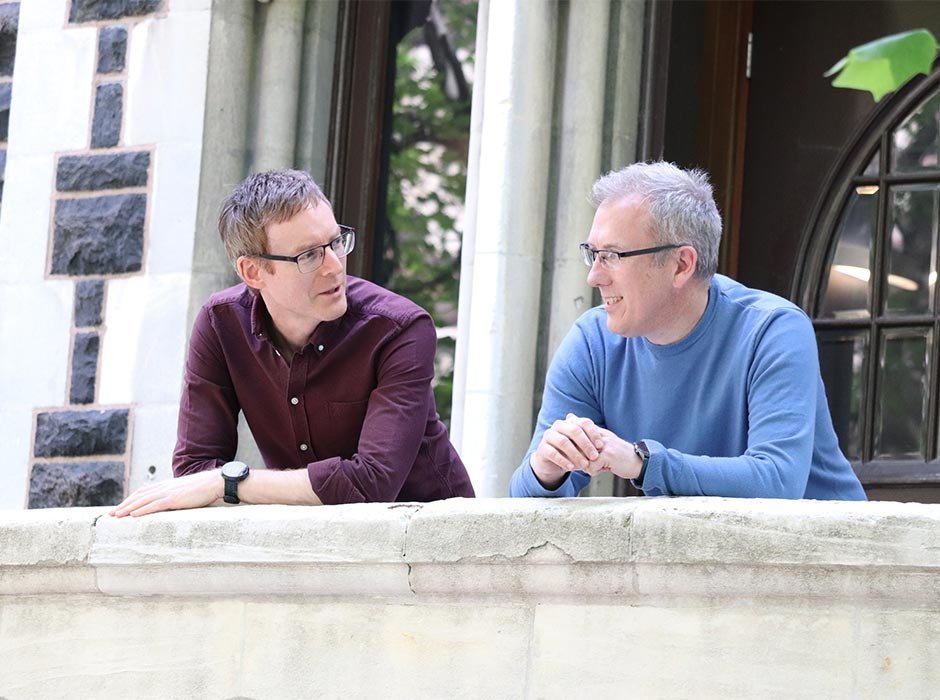
Researchers at the University of Otago are exploring innovative solutions to combat bacterial diseases through the development of phage therapy. Led by Prof Peter Fineran and Dr Robert Fagerlund, this project focuses on bacteriophages—viruses that specifically target and kill bacteria. Their research is particularly aimed at addressing issues faced by cherry orchard growers in New Zealand, bolstered by funding from the Ministry of Business, Innovation and Employment (MBIE).
Bacterial infections, particularly from Pseudomonas species, pose significant threats to young cherry orchards, potentially leading to losses of 20% to 50%. Traditionally, growers have relied on copper sprays to manage these infections. However, this approach has proven ineffective as the bacteria develop resistance and the sprays also harm beneficial microbes. In response, the research team is developing phage cocktails—combinations of multiple phages designed to breach bacterial defenses.
“If one phage is blocked, another still gets through,” Prof Fineran explained. This method enhances treatment robustness and reduces the risk of resistance development, a significant concern in current antibiotic therapies. The specificity of phages allows for targeted action against harmful bacteria while preserving beneficial strains.
The implications of this research extend beyond agriculture. Prof Fineran indicated that the principles they are investigating could be applied to human and animal pathogens as well. Their recent findings include the discovery of “jumbo phages” that create protective protein compartments within bacteria, allowing phages to replicate without interference from bacterial enzymes. Additionally, some phages have been found to coat their DNA with sugars, offering protection against CRISPR gene-editing technologies.
Phage therapy is already being trialed in Western hospitals for treating stubborn infections where traditional antibiotics have failed. While the potential for phages in agriculture is promising, Prof Fineran cautioned that they should not be viewed as a standalone solution. Instead, they are likely to serve as a complementary approach to existing treatments.
“To achieve the desired outcomes, we need to understand bacterial immune systems and the various strategies phages use to overcome these defenses,” he noted. This understanding is essential for selecting the most effective phages for therapeutic applications.
As the research progresses, the team at the University of Otago remains committed to unlocking the potential of phage therapy in both agricultural and medical contexts. The ongoing studies aim to refine these techniques, promising a future where bacterial infections can be managed more effectively without compromising beneficial microbial communities.










New $25 Million Funding Boosts Hospital Capacity Ahead of Winter

Discover Sleep Space’s Affordable Bach Bed Packages Today

Jury Dismissed in Sexual Assault Trial Over Misguided Questions

Wellington’s New Gallery Unveils Community-Driven Art Exhibition

All Whites Face Challenges as Injuries Strike Before World Cup

Heroic Bystander Rescues Swimmers from Dangerous Surf in Napier

Nina Oyama Returns to Crime Comedy in Deadloch Season 2

China Southern Airlines Offers Reliable Journey from Auckland to Vietnam

Nina Oyama Returns to Deadloch for Anticipated Season 2

Community Mourns Teens Lost in Mount Maunganui Landslide

Tributes Pour In for Lachlan Rofe, Reality Star, Dead at 47

Private Funeral Held for Dean Field and His Three Children

Funeral Planned for Field Siblings After Tragic House Fire

Netball New Zealand Stands Down Dame Noeline Taurua for Series

Al Waha Motors Opens Flagship Jetour Showroom in Al Khor

Julian Dennison Ties the Knot with Christian Baledrokadroka in New Zealand

Auckland’s Average Rent Surpasses $700 for Three-Bedroom Homes

New Research Reveals Simple Path to Enhanced Happiness
-
 Top Stories7 months ago
Community Mourns Teens Lost in Mount Maunganui Landslide
-
 Entertainment11 months ago
Tributes Pour In for Lachlan Rofe, Reality Star, Dead at 47
-
 World9 months ago
Private Funeral Held for Dean Field and His Three Children
-
 Top Stories9 months ago
Funeral Planned for Field Siblings After Tragic House Fire
-
 Sports11 months ago
Netball New Zealand Stands Down Dame Noeline Taurua for Series
-
 Health7 months ago
Al Waha Motors Opens Flagship Jetour Showroom in Al Khor
-
 Entertainment7 months ago
Julian Dennison Ties the Knot with Christian Baledrokadroka in New Zealand
-
 Business7 months ago
Auckland’s Average Rent Surpasses $700 for Three-Bedroom Homes
-
 Science10 months ago
New Research Reveals Simple Path to Enhanced Happiness
-

 Entertainment10 months ago
New ‘Maverick’ Chaser Joins Beat the Chasers Season Finale
-

 Lifestyle10 months ago
Maia Wilson Faces Backlash Following Taurua’s Suspension
-

 Sports10 months ago
All Blacks Star Damian McKenzie and Partner Announce Baby News