
Science
Pioneering DNA Scientist James Watson Passes Away at 95


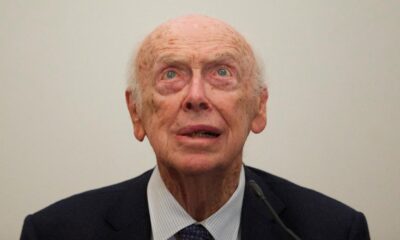
James Watson, the co-discoverer of the double helix structure of DNA, has died at the age of 95. His passing marks the end of a significant chapter in the history of molecular biology and genetics. Watson’s groundbreaking work in 1953, alongside Francis Crick, transformed our understanding of genetics and earned them the Nobel Prize in Physiology or Medicine in 1962.
Watson’s discovery of the twisted-ladder structure of DNA was pivotal in the field of biology, laying the foundation for modern genetics. The implications of their work have resonated through decades of scientific research, leading to innovations in fields ranging from medicine to biotechnology.
Controversy and Criticism
Despite his monumental contributions to science, Watson’s later years were marred by controversy. He faced significant backlash following a series of remarks that many considered offensive and racially insensitive. His comments led to professional censure and diminished his standing within the scientific community. In 2019, Cold Spring Harbor Laboratory, where he served as president for many years, distanced itself from him, stating that his views were not representative of the institution’s values.
The backlash against Watson serves as a reminder of the complexities that can arise when personal beliefs conflict with societal values. This dichotomy has sparked discussions about the legacies of influential figures in science and the importance of accountability in the academic world.
A Legacy of Scientific Achievement
Watson’s contributions to science extend beyond the discovery of DNA’s structure. He was instrumental in the development of the Human Genome Project, which aimed to map the entire human genetic code. This monumental endeavor has paved the way for advancements in personalized medicine and genetic research.
Throughout his career, Watson published several influential works, including his autobiography, “The Double Helix,” which provides insight into the scientific process and the human elements behind groundbreaking discoveries. His ability to communicate complex scientific ideas to the public has inspired generations of scientists and enthusiasts alike.
Watson’s death is a poignant moment for the scientific community, reflecting both the remarkable achievements of a pioneering scientist and the challenges of navigating personal and professional conduct in an ever-evolving society. The impact of his work will continue to influence the fields of genetics and molecular biology for years to come.
As the world mourns the loss of James Watson, discussions around his legacy continue to unfold, underscoring the ongoing dialogue about ethics and responsibility in science.









New $25 Million Funding Boosts Hospital Capacity Ahead of Winter

Discover Sleep Space’s Affordable Bach Bed Packages Today

Jury Dismissed in Sexual Assault Trial Over Misguided Questions

Wellington’s New Gallery Unveils Community-Driven Art Exhibition

All Whites Face Challenges as Injuries Strike Before World Cup

Heroic Bystander Rescues Swimmers from Dangerous Surf in Napier

Nina Oyama Returns to Crime Comedy in Deadloch Season 2

China Southern Airlines Offers Reliable Journey from Auckland to Vietnam

Nina Oyama Returns to Deadloch for Anticipated Season 2

Community Mourns Teens Lost in Mount Maunganui Landslide

Tributes Pour In for Lachlan Rofe, Reality Star, Dead at 47

Private Funeral Held for Dean Field and His Three Children

Funeral Planned for Field Siblings After Tragic House Fire

Netball New Zealand Stands Down Dame Noeline Taurua for Series

Al Waha Motors Opens Flagship Jetour Showroom in Al Khor

Julian Dennison Ties the Knot with Christian Baledrokadroka in New Zealand

Auckland’s Average Rent Surpasses $700 for Three-Bedroom Homes

New Research Reveals Simple Path to Enhanced Happiness
-
 Top Stories7 months ago
Community Mourns Teens Lost in Mount Maunganui Landslide
-
 Entertainment11 months ago
Tributes Pour In for Lachlan Rofe, Reality Star, Dead at 47
-
 World9 months ago
Private Funeral Held for Dean Field and His Three Children
-
 Top Stories9 months ago
Funeral Planned for Field Siblings After Tragic House Fire
-
 Sports11 months ago
Netball New Zealand Stands Down Dame Noeline Taurua for Series
-
 Health7 months ago
Al Waha Motors Opens Flagship Jetour Showroom in Al Khor
-
 Entertainment7 months ago
Julian Dennison Ties the Knot with Christian Baledrokadroka in New Zealand
-
 Business7 months ago
Auckland’s Average Rent Surpasses $700 for Three-Bedroom Homes
-
 Science10 months ago
New Research Reveals Simple Path to Enhanced Happiness
-

 Entertainment10 months ago
New ‘Maverick’ Chaser Joins Beat the Chasers Season Finale
-

 Lifestyle11 months ago
Maia Wilson Faces Backlash Following Taurua’s Suspension
-

 Sports10 months ago
All Blacks Star Damian McKenzie and Partner Announce Baby News