
Science
Researchers Target Bacterial Diseases with Phage Therapy Breakthrough


Researchers at the University of Otago are making strides in the development of phage therapy, aiming to combat bacterial diseases that particularly affect New Zealand’s cherry orchards. Led by Prof Peter Fineran and Dr Robert Fagerlund, the team is harnessing the power of bacteriophages—viruses that specifically target and kill bacteria. This innovative approach has garnered funding from the Ministry of Business, Innovation and Employment (MBIE).
Phage Therapy: A Targeted Approach to Bacterial Control
The researchers are focusing on the harmful Pseudomonas bacteria, which can lead to significant losses—between 20% to 50%—in young cherry orchards. Traditionally, growers have relied on copper sprays to manage these infections, but this method has proven to be ineffective as the bacteria develop resistance. Prof Fineran noted, “We have interacted with a number of Otago orchards to collect phage samples as part of our research.” In response, the team is creating phage cocktails that combine multiple phages, each designed to breach the defenses of the bacteria.
“If one phage is blocked, another still gets through,” said Prof Fineran. This method enhances treatment effectiveness and mitigates the risk of resistance development, contrasting sharply with the broader, less selective approach of antibiotics. By specifically targeting harmful bacteria, phage therapy preserves beneficial microbes, avoiding the collateral damage associated with conventional treatments.
Innovative Discoveries and Broader Applications
In their research, the team has discovered “jumbo phages” capable of constructing protein shells inside bacteria. This creates a secure environment for phages to replicate without interference from bacterial enzymes. Additionally, they have investigated phages that modify their DNA with sugars, providing protection against CRISPR gene editing technologies. “Some added one sugar, others added up to three, each giving protection against different defenses,” explained Prof Fineran. Such features could enhance the effectiveness of phage treatments by ensuring they can withstand bacterial countermeasures.
Phage therapy is already being trialed in hospitals in Western countries to treat stubborn infections, especially when conventional antibiotics fail. Furthermore, this approach is gaining traction in mainstream agriculture. Despite its promise, Prof Fineran cautioned against viewing phage therapy as a “silver bullet.” Instead, he stated that it is more likely to serve as a complementary treatment alongside antibiotics and other methods.
To optimize phage therapy, researchers must deepen their understanding of bacterial immune systems and the various mechanisms that phages use to overcome these defenses. “That is why this is the focus of our core fundamental research,” Prof Fineran emphasized. As the team continues to explore the potential of phages, their work could lead to more effective strategies for managing bacterial diseases in both agricultural and medical contexts.
For further inquiries, you can contact the research team at the University of Otago or follow updates on their progress in the field of phage therapy.












Leonardo da Vinci DNA Breakthrough Could Reveal Lost Artworks

Top Showjumpers Compete in Dannevirke World Cup Qualifier

Urgent Call for Volunteers as 53 Pilot Whales Strand on Farewell Spit

Kiwi Couple Loses Flights Over Name Mismatch at Auckland Airport

IRD Apologizes for Sharing Paywalled Articles Among Staff

Joachim Trier’s ‘Sentimental Value’ Explores Life and Art’s Interplay

DNA Discovery Could Reveal Lost Leonardo da Vinci Paintings

Elina Svitolina Triumphs Over Katie Boulter at ASB Classic

Volunteers Needed to Rescue 53 Stranded Pilot Whales on Farewell Spit

Private Funeral Held for Dean Field and His Three Children

Funeral Planned for Field Siblings After Tragic House Fire

Netball New Zealand Stands Down Dame Noeline Taurua for Series

Tributes Pour In for Lachlan Rofe, Reality Star, Dead at 47

New ‘Maverick’ Chaser Joins Beat the Chasers Season Finale

Silver Ferns Legend Laura Langman Criticizes Team’s Attitude

Eli Katoa Rushed to Hospital After Sideline Incident During Match

Netball NZ Calls for Respect Amid Dame Taurua’s Standoff

Investigation Underway in Tragic Sanson House Fire Involving Family
-
 World1 month ago
Private Funeral Held for Dean Field and His Three Children
-
 Top Stories2 months ago
Funeral Planned for Field Siblings After Tragic House Fire
-
 Sports4 months ago
Netball New Zealand Stands Down Dame Noeline Taurua for Series
-
 Entertainment4 months ago
Tributes Pour In for Lachlan Rofe, Reality Star, Dead at 47
-
 Entertainment3 months ago
New ‘Maverick’ Chaser Joins Beat the Chasers Season Finale
-
 Sports4 months ago
Silver Ferns Legend Laura Langman Criticizes Team’s Attitude
-
 Sports2 months ago
Eli Katoa Rushed to Hospital After Sideline Incident During Match
-
 Politics3 months ago
Netball NZ Calls for Respect Amid Dame Taurua’s Standoff
-
 World2 months ago
Investigation Underway in Tragic Sanson House Fire Involving Family
-

 Sports4 weeks ago
Nathan Williamson’s Condition Improves Following Race Fall
-

 Entertainment1 month ago
Jacinda Ardern Discusses Popularity Decline on Graham Norton Show
-
 World3 weeks ago
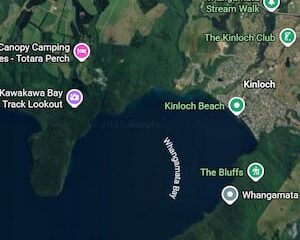
Investigation Launched Following Boat Fire at Lake Taupō