
Science
Researchers Unveil Free Granny Flat Plans to Aid Families

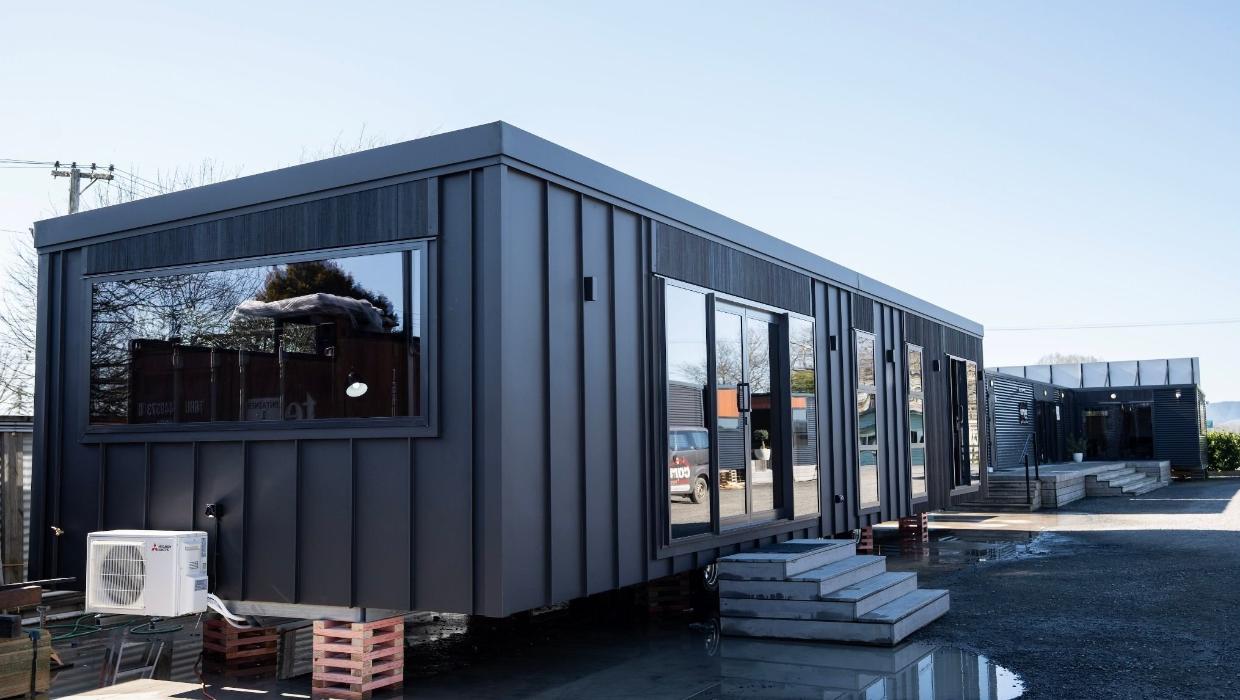
Homeowners in New Zealand will soon benefit from free architectural plans for granny flats, following the implementation of new legislation aimed at increasing housing supply. Starting from January 15, 2026, the Building and Construction (Small Stand-alone Dwellings) Amendment Act 2025 enables homeowners to build self-contained units without the need for standard building consent. This initiative is designed to support intergenerational living and address overcrowding in existing homes.
The project, led by Professor Anthony Hōete of Auckland University, has received funding of $220,000 from Branz, New Zealand’s independent building research body. Over the next 18 months, Hōete and his research team will create open-source architectural plans for granny flats measuring up to 70 square metres. These plans will be available for free download, offering families a valuable resource as they consider expanding their living spaces.
Professor Hōete, who is of Ngāti Awa descent, emphasized the potential benefits of these plans. “They could be for kaumātua [respected elders], it could be transitional housing. Maybe the kids want a couple of extra rooms outside,” he explained. This initiative addresses the pressing need for affordable housing options, especially for families experiencing overcrowding.
The initial phase of the project will involve assessing 1,000 properties to understand current living conditions and land use. Following this assessment, the team plans to design a selection of units, complete with detailed drawings and specifications, making it easier for homeowners to construct their granny flats. Partnering with Context Architects, who have a strong background in affordable housing projects, Hōete aims to deliver designs that are not only cost-effective but also visually appealing and environmentally sustainable.
The estimated cost of construction is projected to be between $3,500 and $4,000 per square metre, bringing the total cost for a granny flat to under $300,000. Some designs will incorporate universal design principles, ensuring accessibility for individuals with disabilities and older adults.
“This project is exciting,” Hōete stated. “It may be the right time. We’ve come out of a difficult couple of years economically. This is going to give people tangible options where they can be a little bit self-empowered.” By providing a suite of design options, homeowners can select a plan that suits their needs and collaborate with builders to bring their vision to life.
The granny flat initiative is one of 22 new projects sharing $11.5 million in funding from the Building Research Levy, which is collected at a rate of 0.1% from all building consents over $20,000. An independent panel evaluates proposals each year to fund projects aimed at enhancing building quality, resilience, and sustainability across New Zealand.
Additional funded projects include initiatives focused on housing solutions for youth, improvements to energy efficiency in homes, and efforts to close the gap between design and reality for healthier living spaces. Notably, the research titled “Whakamaru i te Rangatahi” aims to navigate housing solutions for youth and families, while “Your Home, Your Way” will create a DIY tool for affordable energy retrofitting.
The Building and Construction (Small Stand-alone Dwellings) Amendment Act is designed to boost housing supply, with projections estimating around 13,000 granny flats to be constructed over the next decade. This legislation emerged from the coalition agreement between the National Party and New Zealand First, reflecting a commitment to addressing the housing crisis in the country.
As households look for innovative ways to expand their living spaces, the availability of free granny flat plans marks a significant step towards fostering intergenerational living and alleviating housing shortages in New Zealand.










New $25 Million Funding Boosts Hospital Capacity Ahead of Winter

Discover Sleep Space’s Affordable Bach Bed Packages Today

Jury Dismissed in Sexual Assault Trial Over Misguided Questions

Wellington’s New Gallery Unveils Community-Driven Art Exhibition

All Whites Face Challenges as Injuries Strike Before World Cup

Heroic Bystander Rescues Swimmers from Dangerous Surf in Napier

Nina Oyama Returns to Crime Comedy in Deadloch Season 2

China Southern Airlines Offers Reliable Journey from Auckland to Vietnam

Nina Oyama Returns to Deadloch for Anticipated Season 2

Community Mourns Teens Lost in Mount Maunganui Landslide

Tributes Pour In for Lachlan Rofe, Reality Star, Dead at 47

Private Funeral Held for Dean Field and His Three Children

Funeral Planned for Field Siblings After Tragic House Fire

Netball New Zealand Stands Down Dame Noeline Taurua for Series

Al Waha Motors Opens Flagship Jetour Showroom in Al Khor

Julian Dennison Ties the Knot with Christian Baledrokadroka in New Zealand

Auckland’s Average Rent Surpasses $700 for Three-Bedroom Homes

New Research Reveals Simple Path to Enhanced Happiness
-
 Top Stories7 months ago
Community Mourns Teens Lost in Mount Maunganui Landslide
-
 Entertainment11 months ago
Tributes Pour In for Lachlan Rofe, Reality Star, Dead at 47
-
 World9 months ago
Private Funeral Held for Dean Field and His Three Children
-
 Top Stories9 months ago
Funeral Planned for Field Siblings After Tragic House Fire
-
 Sports11 months ago
Netball New Zealand Stands Down Dame Noeline Taurua for Series
-
 Health7 months ago
Al Waha Motors Opens Flagship Jetour Showroom in Al Khor
-
 Entertainment7 months ago
Julian Dennison Ties the Knot with Christian Baledrokadroka in New Zealand
-
 Business7 months ago
Auckland’s Average Rent Surpasses $700 for Three-Bedroom Homes
-
 Science10 months ago
New Research Reveals Simple Path to Enhanced Happiness
-

 Entertainment10 months ago
New ‘Maverick’ Chaser Joins Beat the Chasers Season Finale
-

 Lifestyle10 months ago
Maia Wilson Faces Backlash Following Taurua’s Suspension
-

 Sports10 months ago
All Blacks Star Damian McKenzie and Partner Announce Baby News