
Science
Scientists Drill into Antarctica’s Past to Forecast Ice Shelf Futures

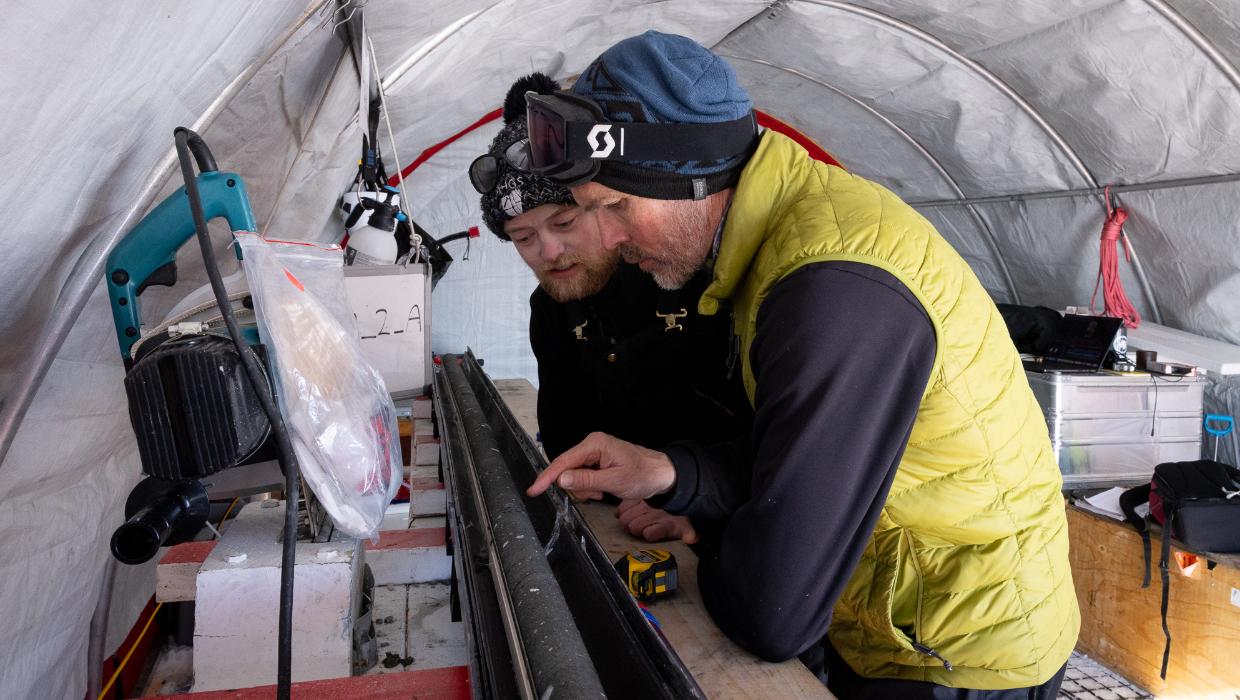
A team of scientists from New Zealand and several international partners recently commenced a groundbreaking research expedition to Antarctica. Their objective is to analyze sediment deposits dating back millions of years, aiming to enhance predictions concerning the future of ice shelves amid ongoing climate change.
This initiative is particularly significant as the melting of ice shelves can lead to rising sea levels, impacting coastal communities around the globe. By studying ancient sediment layers, researchers hope to uncover valuable insights into past climatic conditions and the stability of ice formations over time.
Uncovering the Layers of History
The expedition, which began in early January 2024, is led by the University of Otago and supported by the United States’ National Science Foundation (NSF). The team is utilizing advanced drilling technology to extract cores from beneath the ice, which will provide a window into how ice shelves have responded to climate conditions in the past.
According to Dr. Helen McCarthy, a leading researcher on the project, “Understanding how ice shelves behaved during previous warm periods is crucial for predicting their future responses to current climate changes.” The sediment samples, some of which are millions of years old, will allow scientists to reconstruct historical climate patterns and assess the potential impact on contemporary ice shelf stability.
This research is timely, given that recent studies have indicated a troubling acceleration in ice loss from Antarctica. In 2022 alone, it was reported that approximately 2,720 billion tons of ice were lost from the continent, a trend that could have severe implications for global sea levels.
Global Implications of Ice Shelf Melting
The melting of Antarctica’s ice shelves is not just a local issue; it is a global concern. The potential rise in sea levels could affect millions of people living in coastal areas. As scientists continue to drill into Antarctica’s icy depths, the information gathered will be vital for policymakers and environmental planners.
The expedition represents a collaborative effort among scientists from various institutions, emphasizing the importance of international cooperation in addressing climate challenges. By combining expertise and resources, researchers are better equipped to tackle the complexities of climate science.
The findings from this expedition are expected to be published in leading scientific journals, contributing to a broader understanding of climate dynamics. With climate change remaining a critical issue, the insights gained from this research could inform strategies aimed at mitigating its impacts.
As this project unfolds, it serves as a reminder of the interconnectedness of our planet’s systems and the urgent need for effective climate action. The lessons learned from the ancient past may prove essential in shaping a sustainable future for ice shelves and coastal communities worldwide.







New $25 Million Funding Boosts Hospital Capacity Ahead of Winter

Discover Sleep Space’s Affordable Bach Bed Packages Today

Jury Dismissed in Sexual Assault Trial Over Misguided Questions

Wellington’s New Gallery Unveils Community-Driven Art Exhibition

All Whites Face Challenges as Injuries Strike Before World Cup

Heroic Bystander Rescues Swimmers from Dangerous Surf in Napier

Nina Oyama Returns to Crime Comedy in Deadloch Season 2

China Southern Airlines Offers Reliable Journey from Auckland to Vietnam

Nina Oyama Returns to Deadloch for Anticipated Season 2

Community Mourns Teens Lost in Mount Maunganui Landslide

Tributes Pour In for Lachlan Rofe, Reality Star, Dead at 47

Private Funeral Held for Dean Field and His Three Children

Funeral Planned for Field Siblings After Tragic House Fire

Netball New Zealand Stands Down Dame Noeline Taurua for Series

Al Waha Motors Opens Flagship Jetour Showroom in Al Khor

Julian Dennison Ties the Knot with Christian Baledrokadroka in New Zealand

Auckland’s Average Rent Surpasses $700 for Three-Bedroom Homes

New Research Reveals Simple Path to Enhanced Happiness
-
 Top Stories7 months ago
Community Mourns Teens Lost in Mount Maunganui Landslide
-
 Entertainment11 months ago
Tributes Pour In for Lachlan Rofe, Reality Star, Dead at 47
-
 World9 months ago
Private Funeral Held for Dean Field and His Three Children
-
 Top Stories9 months ago
Funeral Planned for Field Siblings After Tragic House Fire
-
 Sports11 months ago
Netball New Zealand Stands Down Dame Noeline Taurua for Series
-
 Health7 months ago
Al Waha Motors Opens Flagship Jetour Showroom in Al Khor
-
 Entertainment7 months ago
Julian Dennison Ties the Knot with Christian Baledrokadroka in New Zealand
-
 Business8 months ago
Auckland’s Average Rent Surpasses $700 for Three-Bedroom Homes
-
 Science10 months ago
New Research Reveals Simple Path to Enhanced Happiness
-

 Entertainment10 months ago
New ‘Maverick’ Chaser Joins Beat the Chasers Season Finale
-

 Lifestyle11 months ago
Maia Wilson Faces Backlash Following Taurua’s Suspension
-

 Sports10 months ago
All Blacks Star Damian McKenzie and Partner Announce Baby News