
Science
Sensing the Deceased: Understanding ‘Presence’ Experiences


As the holiday season approaches, many individuals experience a mix of joy and sadness, especially when reflecting on loved ones who are no longer present. Known scientifically as “sense of presence” experiences, these moments can include the feeling of a comforting touch, familiar scents, or even fleeting visual impressions of the deceased. These sensations often arise during emotionally significant times, prompting individuals to recall memories of those who have passed.
Research indicates that between 47 percent and 82 percent of bereaved individuals report having sensed a deceased loved one, according to studies referenced in a 2020 literature review. This phenomenon is not as uncommon as many might believe. Anecdotes from those who have experienced these sensations highlight the emotional connections that persist, even after death. For example, one individual recalled, “When I sat alone at the dining table, I felt how she put her arm round my shoulders as she used to do when she served me food.”
The experiences vary widely but share a common theme: they are often linked to the emotional closeness of the relationship rather than spiritual beliefs or cultural traditions. This finding emerged from a comprehensive study involving interviews with 26 bereaved individuals across New Zealand, Australia, Canada, and the United States. Participants consistently described a sense of ongoing relationship with the deceased, which was particularly evident during times of emotional need or in locations associated with the loved one.
A seminal study conducted by psychiatrist William Dewi Rees in 1971 found that nearly 40 percent of 293 widowed individuals in Wales reported sensing their deceased spouse. Rees pioneered research into bereavement, emphasizing that such experiences were common and often comforting. Despite this, the psychiatric community long struggled to accept the notion of life after death, frequently categorizing these experiences as hallucinations or attributing them to spiritual phenomena.
The introduction of the Continuing Bonds Theory in the 1990s marked a significant shift in understanding grief. This theory, presented in the publication “Continuing Bonds: New Understandings of Grief” by Dennis Klass, Phyllis Silverman, and Steven Nickman, posits that sensing a presence is a normal part of maintaining an emotional connection with the deceased. This perspective frames these experiences not as pathological, but as a natural way for individuals to adapt to their loss.
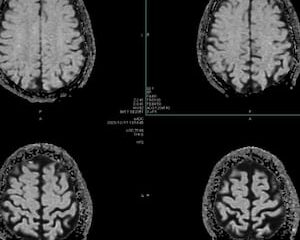
Current research explores the underlying brain mechanisms associated with these experiences. By investigating how the brain maintains a “person network” that encompasses memory, emotion, and social perception, researchers aim to understand why these sensations occur. When a close individual passes away, the brain does not immediately adjust to the absence. Instead, it undergoes a gradual process of adapting to a relationship that remains significant despite the physical separation.
In this context, a sense of presence can be seen as a momentary expression of an internal representation. It reflects the brain’s stored model of the deceased, influencing perception and enabling individuals to feel a continued connection. This stands in contrast to neurological phenomena like autoscopic hallucinations, which often involve unfamiliar sensations. In grief-related experiences, individuals typically recognize the presence as belonging to their loved one, underscoring the importance of attachment and memory.
To delve deeper into this topic, ongoing research includes an electroencephalogram (EEG) study examining brain activity in response to different individuals within a person’s social circle. Preliminary findings suggest that distinct person networks activate for each relationship, providing insight into why some individuals continue to feel the presence of a deceased loved one.
Understanding these experiences may illuminate how meaningful relationships endure, even after death. As the holiday season emphasizes the importance of connection, exploring these moments openly can enhance our comprehension of grief and the ways we honor those who have passed. By acknowledging and discussing the sense of presence, society can better navigate the complexities of loss during this poignant time of year.










New $25 Million Funding Boosts Hospital Capacity Ahead of Winter

Discover Sleep Space’s Affordable Bach Bed Packages Today

Jury Dismissed in Sexual Assault Trial Over Misguided Questions

Wellington’s New Gallery Unveils Community-Driven Art Exhibition

All Whites Face Challenges as Injuries Strike Before World Cup

Heroic Bystander Rescues Swimmers from Dangerous Surf in Napier

Nina Oyama Returns to Crime Comedy in Deadloch Season 2

China Southern Airlines Offers Reliable Journey from Auckland to Vietnam

Nina Oyama Returns to Deadloch for Anticipated Season 2

Community Mourns Teens Lost in Mount Maunganui Landslide

Tributes Pour In for Lachlan Rofe, Reality Star, Dead at 47

Private Funeral Held for Dean Field and His Three Children

Funeral Planned for Field Siblings After Tragic House Fire

Netball New Zealand Stands Down Dame Noeline Taurua for Series

Al Waha Motors Opens Flagship Jetour Showroom in Al Khor

Julian Dennison Ties the Knot with Christian Baledrokadroka in New Zealand

Auckland’s Average Rent Surpasses $700 for Three-Bedroom Homes

New Research Reveals Simple Path to Enhanced Happiness
-
 Top Stories7 months ago
Community Mourns Teens Lost in Mount Maunganui Landslide
-
 Entertainment11 months ago
Tributes Pour In for Lachlan Rofe, Reality Star, Dead at 47
-
 World9 months ago
Private Funeral Held for Dean Field and His Three Children
-
 Top Stories9 months ago
Funeral Planned for Field Siblings After Tragic House Fire
-
 Sports11 months ago
Netball New Zealand Stands Down Dame Noeline Taurua for Series
-
 Health7 months ago
Al Waha Motors Opens Flagship Jetour Showroom in Al Khor
-
 Entertainment7 months ago
Julian Dennison Ties the Knot with Christian Baledrokadroka in New Zealand
-
 Business7 months ago
Auckland’s Average Rent Surpasses $700 for Three-Bedroom Homes
-
 Science10 months ago
New Research Reveals Simple Path to Enhanced Happiness
-

 Entertainment10 months ago
New ‘Maverick’ Chaser Joins Beat the Chasers Season Finale
-

 Lifestyle11 months ago
Maia Wilson Faces Backlash Following Taurua’s Suspension
-

 Sports10 months ago
All Blacks Star Damian McKenzie and Partner Announce Baby News