
Science
Understanding Workplace Dynamics: Are You a Work Magnet or Repeller?

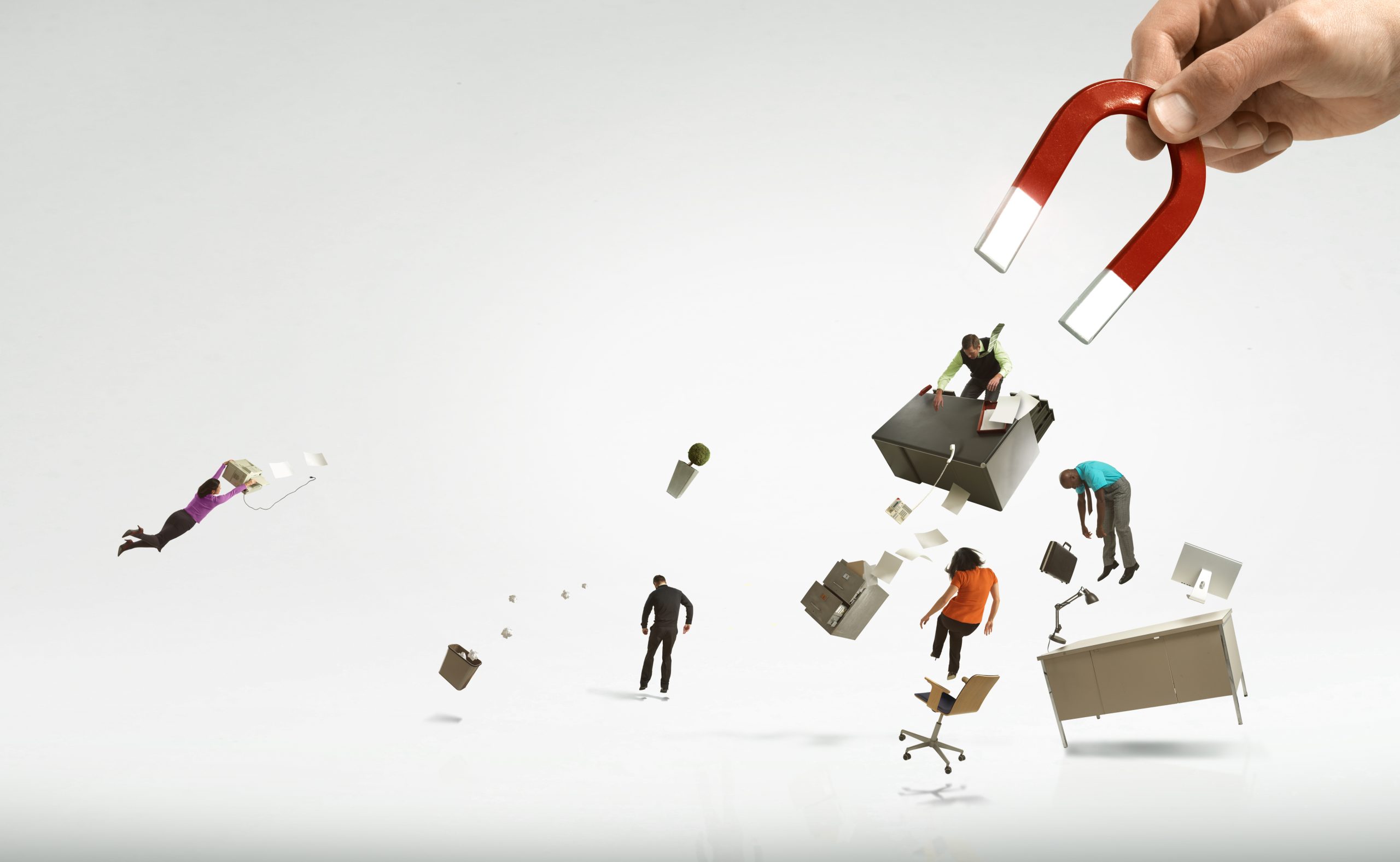
In many workplaces, the roles individuals play can significantly affect their workload. Researchers from the Victoria University of Wellington have identified two distinct workplace archetypes: the “work magnet” and the “work repeller.” These terms describe how employees either attract or repel work requests based on their perceived characteristics and positions within the organizational hierarchy.
The concept of a work magnet refers to individuals who are consistently approached to assist with tasks, often going above and beyond their official responsibilities. These employees are typically viewed as reliable and competent, making them the go-to colleagues for last-minute tasks. In contrast, work repellers are those employees who, despite being available and capable, rarely receive requests for additional work.
The researchers, Rebecca Downes and Ben Walker, have formulated a theory to explain why some individuals attract more work than others. They suggest that this phenomenon is influenced by two primary factors: the perception of the individual by their coworkers and the formal position they hold within the workplace.
Factors Influencing Work Magnetism
The perception of a work magnet often aligns with characteristics associated with the “ideal helper.” Colleagues tend to view these individuals as having a blend of competence, reliability, and agreeableness. Agreeableness plays a crucial role; those perceived as easy to ask for help tend to attract more requests. A work magnet’s willingness to assist, without imposing significant “request taxes,” such as lengthy follow-ups or terse communication, enhances their reputation as dependable team members.
Conversely, work repellers may create obstacles for those seeking assistance. This could manifest in unhelpful replies or a lack of engagement, leading colleagues to avoid asking for their help. Furthermore, biases based on gender or ethnicity can influence how individuals are perceived. Research indicates that women and ethnic minorities are often seen as more agreeable, which can result in them being inundated with requests for help that do not offer explicit rewards or career advancement opportunities.
Another critical aspect of work magnetism is the employee’s position within the organizational structure. Colleagues are less likely to approach someone with significantly more authority for ad hoc tasks. Typically, work magnets hold positions equal to or lower than those requesting assistance. Their visibility within the organization and the nature of their roles also influence the likelihood of receiving work requests. Individuals in roles that foster broader interactions across the organization are more prone to being seen as accessible.
Challenging Conventional Wisdom
The prevailing advice for employees overwhelmed by their workloads is often to simply “say no.” This perspective implies that work magnetism is fundamentally a personal issue. However, Downes and Walker’s research highlights the complexity behind this phenomenon. While some individuals may inadvertently enhance their magnetism by being overly accommodating, external factors—such as societal stereotypes and job roles—play a significant role in shaping these dynamics.
This nuanced understanding of work magnetism is pivotal for addressing unequal workloads and potential burnout among employees. While being seen as a “go-to” person can be flattering, excessive magnetism can lead to overwhelming stress. Additionally, reliance on work magnets for difficult tasks can increase their chances of burnout, pushing them to consider leaving their roles.
The researchers plan to conduct further investigations to validate their theory and explore the implications of work magnetism in various organizational contexts. They invite individuals to share their experiences and insights regarding this phenomenon through email at [email protected] or [email protected].
As workplace dynamics evolve, understanding the characteristics of work magnets and repellers can foster healthier work environments, ultimately enhancing employee satisfaction and productivity.









New $25 Million Funding Boosts Hospital Capacity Ahead of Winter

Discover Sleep Space’s Affordable Bach Bed Packages Today

Jury Dismissed in Sexual Assault Trial Over Misguided Questions

Wellington’s New Gallery Unveils Community-Driven Art Exhibition

All Whites Face Challenges as Injuries Strike Before World Cup

Heroic Bystander Rescues Swimmers from Dangerous Surf in Napier

Nina Oyama Returns to Crime Comedy in Deadloch Season 2

China Southern Airlines Offers Reliable Journey from Auckland to Vietnam

Nina Oyama Returns to Deadloch for Anticipated Season 2

Community Mourns Teens Lost in Mount Maunganui Landslide

Tributes Pour In for Lachlan Rofe, Reality Star, Dead at 47

Private Funeral Held for Dean Field and His Three Children

Funeral Planned for Field Siblings After Tragic House Fire

Netball New Zealand Stands Down Dame Noeline Taurua for Series

Julian Dennison Ties the Knot with Christian Baledrokadroka in New Zealand

New Research Reveals Simple Path to Enhanced Happiness

New ‘Maverick’ Chaser Joins Beat the Chasers Season Finale

Silver Ferns Legend Laura Langman Criticizes Team’s Attitude
-
 Top Stories3 months ago
Community Mourns Teens Lost in Mount Maunganui Landslide
-
 Entertainment8 months ago
Tributes Pour In for Lachlan Rofe, Reality Star, Dead at 47
-
 World5 months ago
Private Funeral Held for Dean Field and His Three Children
-
 Top Stories5 months ago
Funeral Planned for Field Siblings After Tragic House Fire
-
 Sports8 months ago
Netball New Zealand Stands Down Dame Noeline Taurua for Series
-
 Entertainment3 months ago
Julian Dennison Ties the Knot with Christian Baledrokadroka in New Zealand
-
 Science6 months ago
New Research Reveals Simple Path to Enhanced Happiness
-
 Entertainment7 months ago
New ‘Maverick’ Chaser Joins Beat the Chasers Season Finale
-
 Sports8 months ago
Silver Ferns Legend Laura Langman Criticizes Team’s Attitude
-

 Sports6 months ago
All Blacks Star Damian McKenzie and Partner Announce Baby News
-
 Sports6 months ago
Eli Katoa Rushed to Hospital After Sideline Incident During Match
-

 Politics7 months ago
Netball NZ Calls for Respect Amid Dame Taurua’s Standoff