
Science
US Launches $12 Billion Critical Minerals Stockpile Amid Global Demand

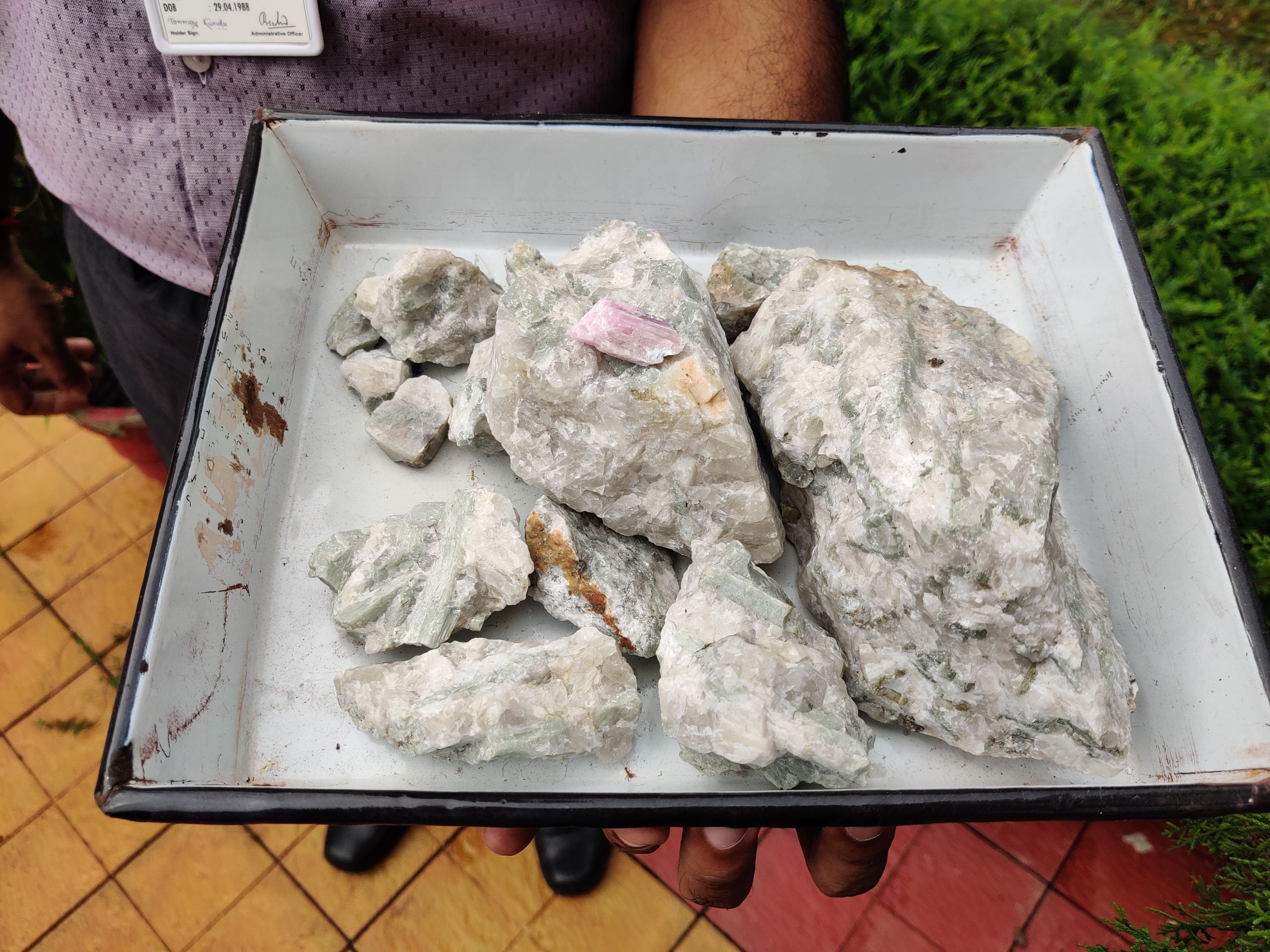
The United States has announced a significant initiative, dubbed Project Vault, which involves a $12 billion stockpile of critical minerals. This move underscores the growing geopolitical urgency surrounding the availability of essential elements for modern technology. With nations striving for energy independence and sustainability, the control of key materials like lithium, cobalt, and nickel has become a focal point, especially as China maintains a dominant position in the supply of rare earth elements.
Amid this backdrop, New Zealand is exploring its potential role in the global critical minerals market. The government has expressed intentions to open access to its mineral deposits, raising concerns about environmental implications. Recently, an agreement was announced to develop a US-New Zealand Critical Minerals Framework. This framework aims to enhance collaboration between the two nations in securing critical mineral supplies, although specifics remain to be finalized.
As a materials scientist, I recognize the necessity of mining in today’s world. The extraction of minerals is essential for technological advancement, from lithium batteries to computing hardware. Yet, this need brings ethical considerations to the forefront. While I support the mining industry, I am cautious about its impact on conservation areas. The purpose of these designated lands is to protect our natural heritage, and any mining activities must be approached with care.
The conversation around mining in New Zealand also reflects a broader dilemma. We have a responsibility to ensure that our mineral extraction is environmentally sustainable. This is particularly important given the hypocrisy of relying on imported materials that may be sourced from countries with less stringent environmental protections.
While geopolitical discussions focus on minerals, there is a crucial distinction between minerals and the materials derived from them. Innovative companies in New Zealand, such as Mint Innovation and Zincovery, are pioneering efforts to extract and refine critical elements from technological waste. This approach aligns with the principles of a circular economy, where finite resources are reused rather than depleted.
Another promising initiative is being developed by Tasmanion, a start-up focused on producing aluminium-based batteries as a potential alternative to lithium. This innovation could alleviate some pressure on lithium supplies while contributing to a more sustainable approach to energy storage.
As materials scientists, our goal is to manipulate the behaviour of electrons within various elements. By engineering these behaviors, we can create alternatives to scarce materials without compromising performance. The evolution of quantum computing and artificial intelligence will further revolutionize the processes of material design and discovery. Significant investments in these technologies are already underway, paving the way for breakthroughs that could redefine our approach to materials.
While the extraction of minerals remains a vital part of our supply chain, it is only one aspect of a larger puzzle. As we transition towards more sustainable technologies, the importance of mineral extraction is likely to diminish. The investment in new methods of material production will be crucial in shaping a more sustainable future.
In conclusion, the implications of the $12 billion investment in critical minerals highlight the intersection of geopolitics, technology, and environmental responsibility. As countries navigate these complex dynamics, the focus should remain on sustainable practices that balance economic needs with environmental stewardship. The challenge lies not only in securing resources but also in reimagining how we utilize them for future generations.










New $25 Million Funding Boosts Hospital Capacity Ahead of Winter

Discover Sleep Space’s Affordable Bach Bed Packages Today

Jury Dismissed in Sexual Assault Trial Over Misguided Questions

Wellington’s New Gallery Unveils Community-Driven Art Exhibition

All Whites Face Challenges as Injuries Strike Before World Cup

Heroic Bystander Rescues Swimmers from Dangerous Surf in Napier

Nina Oyama Returns to Crime Comedy in Deadloch Season 2

China Southern Airlines Offers Reliable Journey from Auckland to Vietnam

Nina Oyama Returns to Deadloch for Anticipated Season 2

Community Mourns Teens Lost in Mount Maunganui Landslide

Tributes Pour In for Lachlan Rofe, Reality Star, Dead at 47

Private Funeral Held for Dean Field and His Three Children

Funeral Planned for Field Siblings After Tragic House Fire

Netball New Zealand Stands Down Dame Noeline Taurua for Series

Julian Dennison Ties the Knot with Christian Baledrokadroka in New Zealand

New Research Reveals Simple Path to Enhanced Happiness

New ‘Maverick’ Chaser Joins Beat the Chasers Season Finale

Maia Wilson Faces Backlash Following Taurua’s Suspension
-
 Top Stories6 months ago
Community Mourns Teens Lost in Mount Maunganui Landslide
-
 Entertainment10 months ago
Tributes Pour In for Lachlan Rofe, Reality Star, Dead at 47
-
 World8 months ago
Private Funeral Held for Dean Field and His Three Children
-
 Top Stories8 months ago
Funeral Planned for Field Siblings After Tragic House Fire
-
 Sports10 months ago
Netball New Zealand Stands Down Dame Noeline Taurua for Series
-
 Entertainment6 months ago
Julian Dennison Ties the Knot with Christian Baledrokadroka in New Zealand
-
 Science9 months ago
New Research Reveals Simple Path to Enhanced Happiness
-
 Entertainment9 months ago
New ‘Maverick’ Chaser Joins Beat the Chasers Season Finale
-
 Lifestyle9 months ago
Maia Wilson Faces Backlash Following Taurua’s Suspension
-

 Sports9 months ago
All Blacks Star Damian McKenzie and Partner Announce Baby News
-

 Health6 months ago
Al Waha Motors Opens Flagship Jetour Showroom in Al Khor
-

 Sports10 months ago
Silver Ferns Legend Laura Langman Criticizes Team’s Attitude