
Science
US Launches $12 Billion Project Vault Amid Global Mineral Concerns

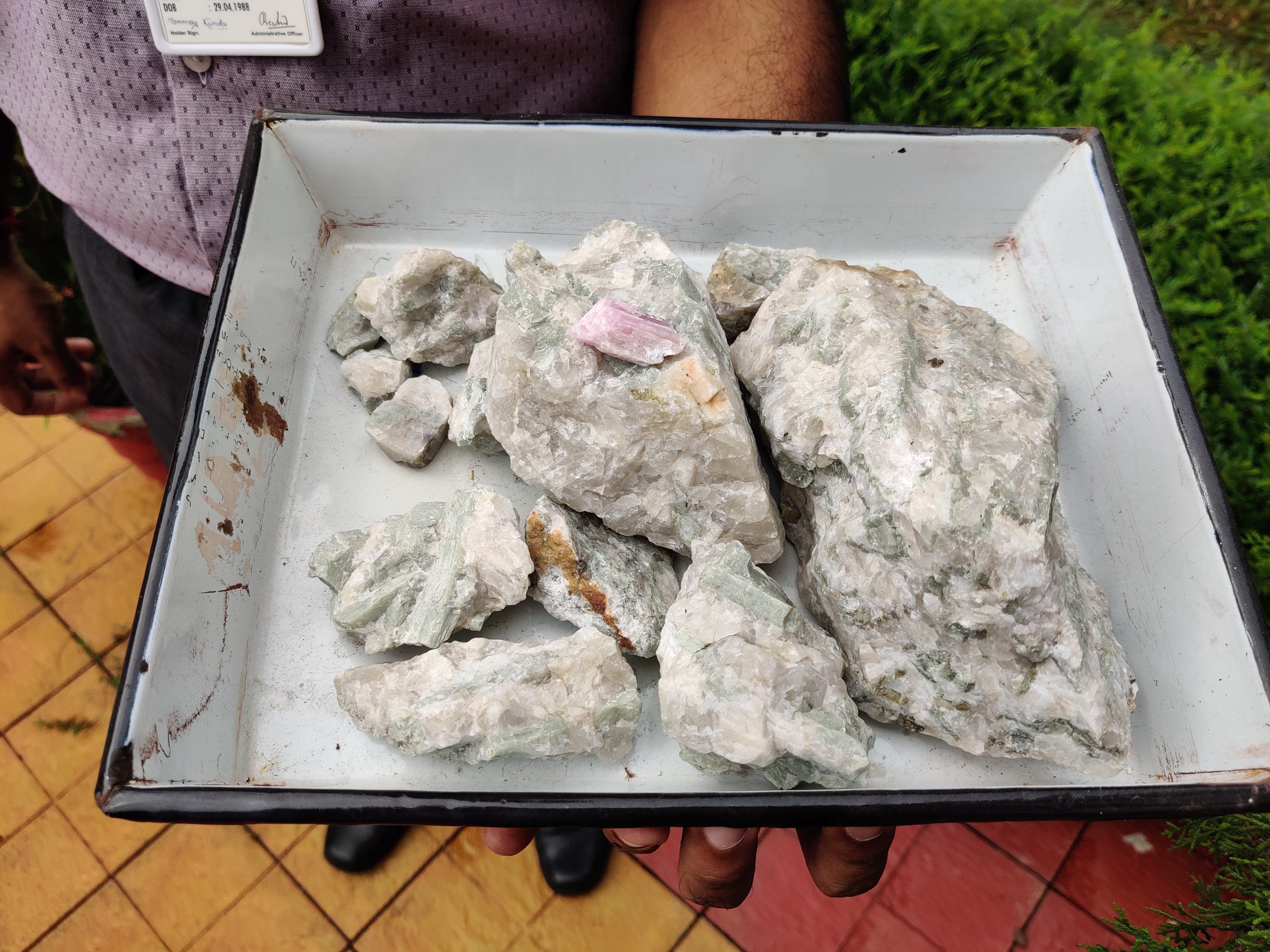
The United States has announced a significant initiative known as **Project Vault**, which involves a **$12 billion stockpile of critical minerals** aimed at addressing global supply chain concerns. This announcement comes at a time when geopolitical tensions surrounding the supply of essential elements for modern technologies are intensifying, particularly given China’s dominance in the rare earths market.
Rare earth elements, including the lanthanides, cobalt, nickel, and lithium, play a crucial role in a variety of technologies, from lithium batteries to computing hardware. These materials are essential for the transition away from fossil fuels, but their availability is increasingly under scrutiny. The current landscape indicates that geopolitical factors may soon outweigh the chemical properties of these minerals in determining their future supply.
While **New Zealand** is not a major player in the global mining sector, the country possesses its own mineral resources. The New Zealand government has signaled its intent to open access to these deposits, despite potential environmental implications. In a controversial statement, **Shane Jones**, a prominent political figure, implied that the country’s endangered species may be hindering economic development, saying, “Goodbye, Freddie,” in reference to conservation efforts.
The recent agreement to develop a **US-New Zealand Critical Minerals Framework** suggests a growing collaboration between the two nations. Although many details remain to be finalized, the potential for expanded mining activities, including within conservation areas, cannot be ignored.
As a materials scientist, the complex relationship between mining and environmental responsibility is evident. While mining is an essential industry, there are choices regarding how and where these minerals can be extracted. The ethical considerations surrounding mining practices in New Zealand are significant, especially given the country’s cultural values that prioritize environmental preservation.
The current negotiations with the United States regarding critical minerals may not reflect the ideal scenarios that some stakeholders envision. The fast-tracked legislative framework raises questions about the balance between economic growth and environmental stewardship. As noted in the in-flight safety video from Biosecurity New Zealand, it is the responsibility of all citizens to “look after” and “protect” the environment.
In addition to traditional mineral extraction, innovative solutions are emerging within New Zealand. Companies such as **Mint Innovation** and **Zincovery** are developing technologies to extract and refine critical elements from electronic waste. This approach aligns with the principles of a circular economy, emphasizing the importance of reusing materials in the face of finite natural resources. For instance, iridium is recognized as exceptionally rare, with its supply occasionally bolstered by meteorites.
Another promising avenue is the development of alternative materials that can substitute for scarce critical elements. **Tasmanion**, a New Zealand start-up, is working on aluminium-based batteries designed to reduce reliance on lithium, a critical material with supply chain vulnerabilities.
Materials scientists have long focused on strategies to address issues of cost, availability, and toxicity by replacing specific elements with alternatives. The focus should not solely be on the elements themselves but rather on the behavior of their electrons. Electrons are responsible for conducting electricity, generating magnetism, and interacting with light. By engineering the energy states of electrons through innovative material design, it is possible to create replacements for existing materials.
The intersection of advanced technologies and critical minerals is multifaceted. The ongoing developments in **quantum computing** and artificial intelligence (AI) are set to revolutionize materials design and discovery processes. Computational materials screening has emerged as a key application of AI, facilitating the evaluation of optimal atomic combinations for desired material properties. Recent investments, including those by **Microsoft** in quantum chemistry, highlight the potential for breakthroughs in this field.
While the need for minerals will persist, the role of mineral extraction in the broader context of material sustainability is likely to diminish over time. The **$12 billion** bet placed by the United States on specific elements may not be the best indicator of future trends. The critical question remains: how and when will investments be made in sustainable alternatives?
As the world grapples with the complexities of mineral supply and demand, it is crucial to recognize that the future of materials lies not only in extraction but also in innovation and responsible stewardship.










New $25 Million Funding Boosts Hospital Capacity Ahead of Winter

Discover Sleep Space’s Affordable Bach Bed Packages Today

Jury Dismissed in Sexual Assault Trial Over Misguided Questions

Wellington’s New Gallery Unveils Community-Driven Art Exhibition

All Whites Face Challenges as Injuries Strike Before World Cup

Heroic Bystander Rescues Swimmers from Dangerous Surf in Napier

Nina Oyama Returns to Crime Comedy in Deadloch Season 2

China Southern Airlines Offers Reliable Journey from Auckland to Vietnam

Nina Oyama Returns to Deadloch for Anticipated Season 2

Community Mourns Teens Lost in Mount Maunganui Landslide

Tributes Pour In for Lachlan Rofe, Reality Star, Dead at 47

Private Funeral Held for Dean Field and His Three Children

Funeral Planned for Field Siblings After Tragic House Fire

Netball New Zealand Stands Down Dame Noeline Taurua for Series

Julian Dennison Ties the Knot with Christian Baledrokadroka in New Zealand

New Research Reveals Simple Path to Enhanced Happiness

New ‘Maverick’ Chaser Joins Beat the Chasers Season Finale

Maia Wilson Faces Backlash Following Taurua’s Suspension
-
 Top Stories6 months ago
Community Mourns Teens Lost in Mount Maunganui Landslide
-
 Entertainment10 months ago
Tributes Pour In for Lachlan Rofe, Reality Star, Dead at 47
-
 World8 months ago
Private Funeral Held for Dean Field and His Three Children
-
 Top Stories8 months ago
Funeral Planned for Field Siblings After Tragic House Fire
-
 Sports10 months ago
Netball New Zealand Stands Down Dame Noeline Taurua for Series
-
 Entertainment6 months ago
Julian Dennison Ties the Knot with Christian Baledrokadroka in New Zealand
-
 Science9 months ago
New Research Reveals Simple Path to Enhanced Happiness
-
 Entertainment9 months ago
New ‘Maverick’ Chaser Joins Beat the Chasers Season Finale
-
 Lifestyle9 months ago
Maia Wilson Faces Backlash Following Taurua’s Suspension
-

 Sports9 months ago
All Blacks Star Damian McKenzie and Partner Announce Baby News
-

 Health6 months ago
Al Waha Motors Opens Flagship Jetour Showroom in Al Khor
-

 Sports10 months ago
Silver Ferns Legend Laura Langman Criticizes Team’s Attitude