
Sports
Legendary Runner Katherine Switzer Inspires New Generation

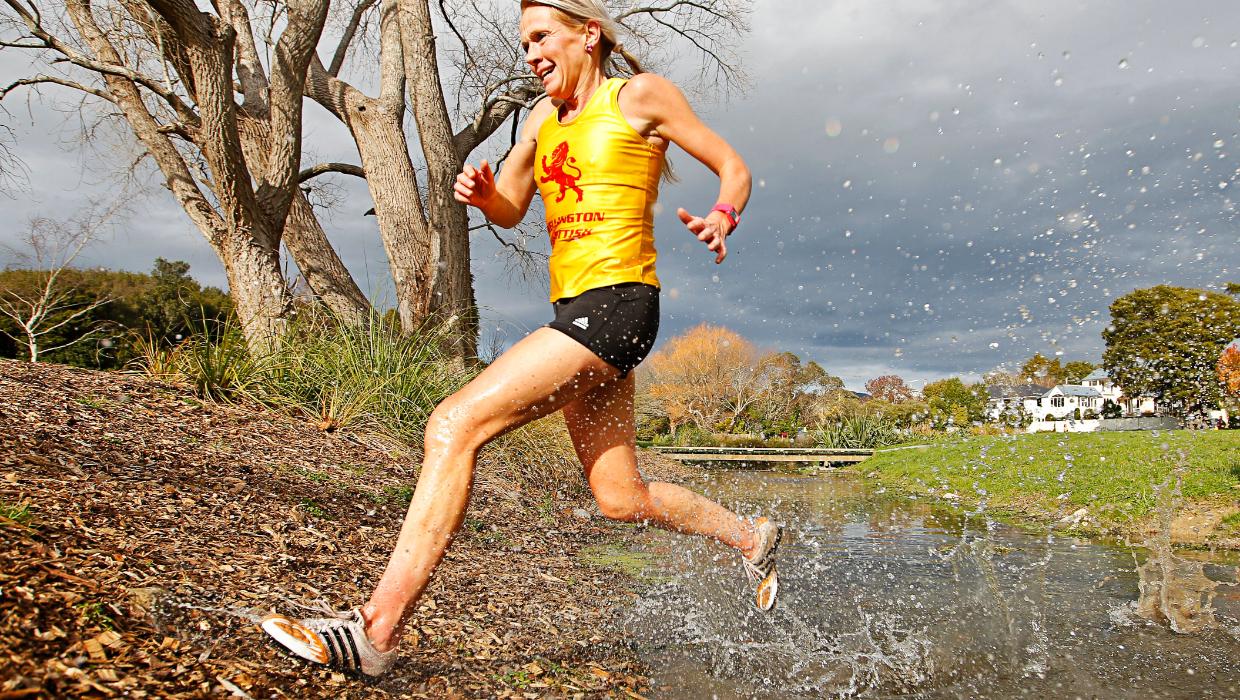
Katherine Switzer, the first woman to officially run the Boston Marathon, continues to inspire the running community at the age of 79. A resident of Wellington for part of the year, she maintains an impressive routine, running at least 45 minutes daily. Her unique training philosophy, which shuns conventional hydration and music, resonates with many athletes.
While training for the upcoming Southern Cross Round the Bays, an 8.4-kilometer fun run taking place in Wellington and other cities in February and March, local runners are eager to absorb insights from seasoned athletes like Switzer and two-time World Mountain Running Champion Melissa Moon.
Hydration and Training Insights
Switzer’s approach to hydration is unconventional. She refrains from taking water or energy drinks during her long runs, opting instead to drink from taps along the way. Upon returning home, she enjoys a glass of orange juice. For Switzer, the environment provides enough motivation, leading her to avoid running with earbuds.
Moon, who has achieved remarkable feats such as winning the women’s race up the Empire State Building, emphasizes the importance of hydration but suggests that carrying bottles may not be necessary for shorter races like the Round the Bays. She recommends adequate hydration the day before the event, particularly since February can bring warmer temperatures to Wellington.
As runners prepare for the event, Moon advises incorporating speed work into training regimens. She suggests sessions of 3-5 kilometers at a tempo pace, or 1-kilometer repetitions along the scenic Oriental Parade. “There is a measured course starting at the Freyberg Pool,” Moon notes, offering to guide runners through interval training sessions leading up to race day.
Facing the Challenge
On a cool, drizzly morning, Moon and I embark on a practice session. She inquires about my warm-up routine, which I sheepishly admit is minimal. We start with a short jog, transitioning into strides—gradual accelerations held for 15-20 seconds.
Moon has recorded target times for my intervals, aiming for a starting pace of 5:50 per kilometer. We begin at the flagpoles by the Freyberg Pool, heading east toward the Carlton Gore Road intersection. The first interval surprises me with a time of 5:42.
As we approach the second interval, a headwind slows our pace to 5:49. Moon reminds me that conversation during intense efforts is not recommended. Her encouragement to focus on breathing and her supportive comments prove invaluable.
The third repetition feels the most rewarding, clocking in at a pace of 5:33. Although this is a challenge for me, it pales in comparison to elite runners who complete 10 kilometers in under 35 minutes.
Throughout our training, we discuss the mental aspects of running. Many runners share their thoughts on various topics, from mundane daily tasks to profound reflections on life. As renowned author Haruki Murakami eloquently states, “Most runners run not because they want to live longer, but because they want to live life to the fullest.” Running offers a unique space for mental clarity and presence, allowing individuals to escape from past regrets and future anxieties.
The Southern Cross Round the Bays, scheduled for February and March, aims to unite communities through the joy of running. Participants can register and find more information at roundthebays.co.nz. This event not only promotes fitness but also embodies the spirit of resilience and camaraderie that characterizes the running community.












New $25 Million Funding Boosts Hospital Capacity Ahead of Winter

Discover Sleep Space’s Affordable Bach Bed Packages Today

Jury Dismissed in Sexual Assault Trial Over Misguided Questions

Wellington’s New Gallery Unveils Community-Driven Art Exhibition

All Whites Face Challenges as Injuries Strike Before World Cup

Heroic Bystander Rescues Swimmers from Dangerous Surf in Napier

Nina Oyama Returns to Crime Comedy in Deadloch Season 2

China Southern Airlines Offers Reliable Journey from Auckland to Vietnam

Nina Oyama Returns to Deadloch for Anticipated Season 2

Community Mourns Teens Lost in Mount Maunganui Landslide

Tributes Pour In for Lachlan Rofe, Reality Star, Dead at 47

Private Funeral Held for Dean Field and His Three Children

Funeral Planned for Field Siblings After Tragic House Fire

Netball New Zealand Stands Down Dame Noeline Taurua for Series

Al Waha Motors Opens Flagship Jetour Showroom in Al Khor

Julian Dennison Ties the Knot with Christian Baledrokadroka in New Zealand

Auckland’s Average Rent Surpasses $700 for Three-Bedroom Homes

New Research Reveals Simple Path to Enhanced Happiness
-
 Top Stories7 months ago
Community Mourns Teens Lost in Mount Maunganui Landslide
-
 Entertainment11 months ago
Tributes Pour In for Lachlan Rofe, Reality Star, Dead at 47
-
 World9 months ago
Private Funeral Held for Dean Field and His Three Children
-
 Top Stories9 months ago
Funeral Planned for Field Siblings After Tragic House Fire
-
 Sports11 months ago
Netball New Zealand Stands Down Dame Noeline Taurua for Series
-
 Health7 months ago
Al Waha Motors Opens Flagship Jetour Showroom in Al Khor
-
 Entertainment7 months ago
Julian Dennison Ties the Knot with Christian Baledrokadroka in New Zealand
-
 Business7 months ago
Auckland’s Average Rent Surpasses $700 for Three-Bedroom Homes
-
 Science10 months ago
New Research Reveals Simple Path to Enhanced Happiness
-

 Entertainment10 months ago
New ‘Maverick’ Chaser Joins Beat the Chasers Season Finale
-

 Lifestyle11 months ago
Maia Wilson Faces Backlash Following Taurua’s Suspension
-

 Sports10 months ago
All Blacks Star Damian McKenzie and Partner Announce Baby News