
Top Stories
Auckland’s Proposed $9 Toll: A Costly Commute Ahead?

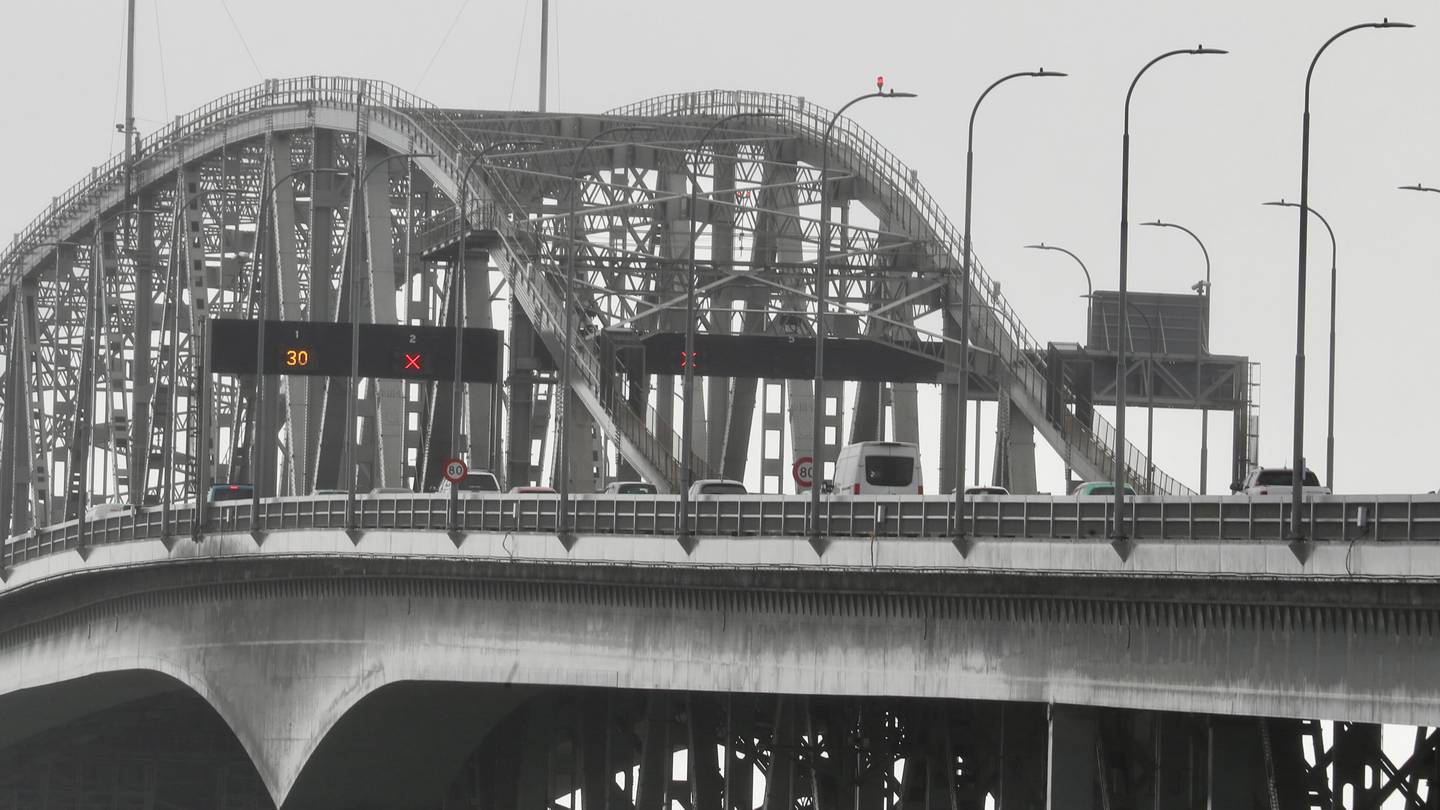
A proposal to implement a toll of $9 for crossing the Auckland Harbour Bridge could soon reshape commuting costs in the region. This suggestion, derived from an Infrastructure Commission report, aims to address the funding needed for new infrastructure. As congestion charging approaches, the toll would add a significant expense for those who rely on driving for work.
The proposed toll, which is inflation-adjusted from figures nearly 70 years ago, suggests that both the existing and future crossings will incur charges. The government has confirmed that a toll will be enacted for whichever new crossing—bridge or tunnel—eventually gets built. This means that commuters will have to factor the toll into their travel expenses, leading many to question the financial implications.
Determining the $9 price point is strategic. The Infrastructure Commission believes this figure strikes a balance: it is high enough to generate the necessary revenue for the new build while ensuring that it does not deter too many users. This pricing model essentially positions driving a car over the bridge as a luxury expense, potentially forcing individuals to consider alternatives.
For many, the decision may come down to whether their employer will cover the toll for their vehicles. Public transport is expected to be a more affordable option, especially as plans for the new crossing include designated bus lanes and enhanced connectivity. However, the success of this shift relies heavily on the reliability of public transport systems, which have faced challenges in recent years.
The question arises: is $9 a reasonable toll? Comparisons with ferry fares, which hover around a similar price, suggest that it may not be excessively burdensome. However, some might argue that the added costs of car ownership, including fuel and maintenance, will make driving less appealing, thereby steering more commuters towards public transport.
Nonetheless, the need for infrastructure development remains pressing. Delaying the construction due to concerns over the toll could hinder productivity growth and the necessary investment in public services. As stated, “if we complain about the cost of building stuff and never build a thing, we will continue this death spiral.”
To navigate this complex situation, effective financial controls on design and construction are essential. A commitment from the government to manage the budget responsibly is crucial. This includes ensuring bipartisan support for the project, recognizing its significance as a matter of national interest.
In summary, the proposed toll on the Auckland Harbour Bridge presents both challenges and opportunities. Commuters may need to adapt to new financial realities, but the long-term benefits of improved infrastructure could be substantial. The focus must now shift to building consensus around the project and moving forward with its execution.









New $25 Million Funding Boosts Hospital Capacity Ahead of Winter

Discover Sleep Space’s Affordable Bach Bed Packages Today

Jury Dismissed in Sexual Assault Trial Over Misguided Questions

Wellington’s New Gallery Unveils Community-Driven Art Exhibition

All Whites Face Challenges as Injuries Strike Before World Cup

Heroic Bystander Rescues Swimmers from Dangerous Surf in Napier

Nina Oyama Returns to Crime Comedy in Deadloch Season 2

China Southern Airlines Offers Reliable Journey from Auckland to Vietnam

Nina Oyama Returns to Deadloch for Anticipated Season 2

Community Mourns Teens Lost in Mount Maunganui Landslide

Tributes Pour In for Lachlan Rofe, Reality Star, Dead at 47

Private Funeral Held for Dean Field and His Three Children

Funeral Planned for Field Siblings After Tragic House Fire

Netball New Zealand Stands Down Dame Noeline Taurua for Series

Julian Dennison Ties the Knot with Christian Baledrokadroka in New Zealand

Auckland’s Average Rent Surpasses $700 for Three-Bedroom Homes

Al Waha Motors Opens Flagship Jetour Showroom in Al Khor

New Research Reveals Simple Path to Enhanced Happiness
-
 Top Stories6 months ago
Community Mourns Teens Lost in Mount Maunganui Landslide
-
 Entertainment11 months ago
Tributes Pour In for Lachlan Rofe, Reality Star, Dead at 47
-
 World8 months ago
Private Funeral Held for Dean Field and His Three Children
-
 Top Stories8 months ago
Funeral Planned for Field Siblings After Tragic House Fire
-
 Sports11 months ago
Netball New Zealand Stands Down Dame Noeline Taurua for Series
-
 Entertainment6 months ago
Julian Dennison Ties the Knot with Christian Baledrokadroka in New Zealand
-
 Business7 months ago
Auckland’s Average Rent Surpasses $700 for Three-Bedroom Homes
-
 Health6 months ago
Al Waha Motors Opens Flagship Jetour Showroom in Al Khor
-
 Science9 months ago
New Research Reveals Simple Path to Enhanced Happiness
-

 Entertainment10 months ago
New ‘Maverick’ Chaser Joins Beat the Chasers Season Finale
-

 Lifestyle10 months ago
Maia Wilson Faces Backlash Following Taurua’s Suspension
-

 Sports9 months ago
All Blacks Star Damian McKenzie and Partner Announce Baby News