
Top Stories
Australia Confronts Legacy of Christchurch Attack Two Years Later

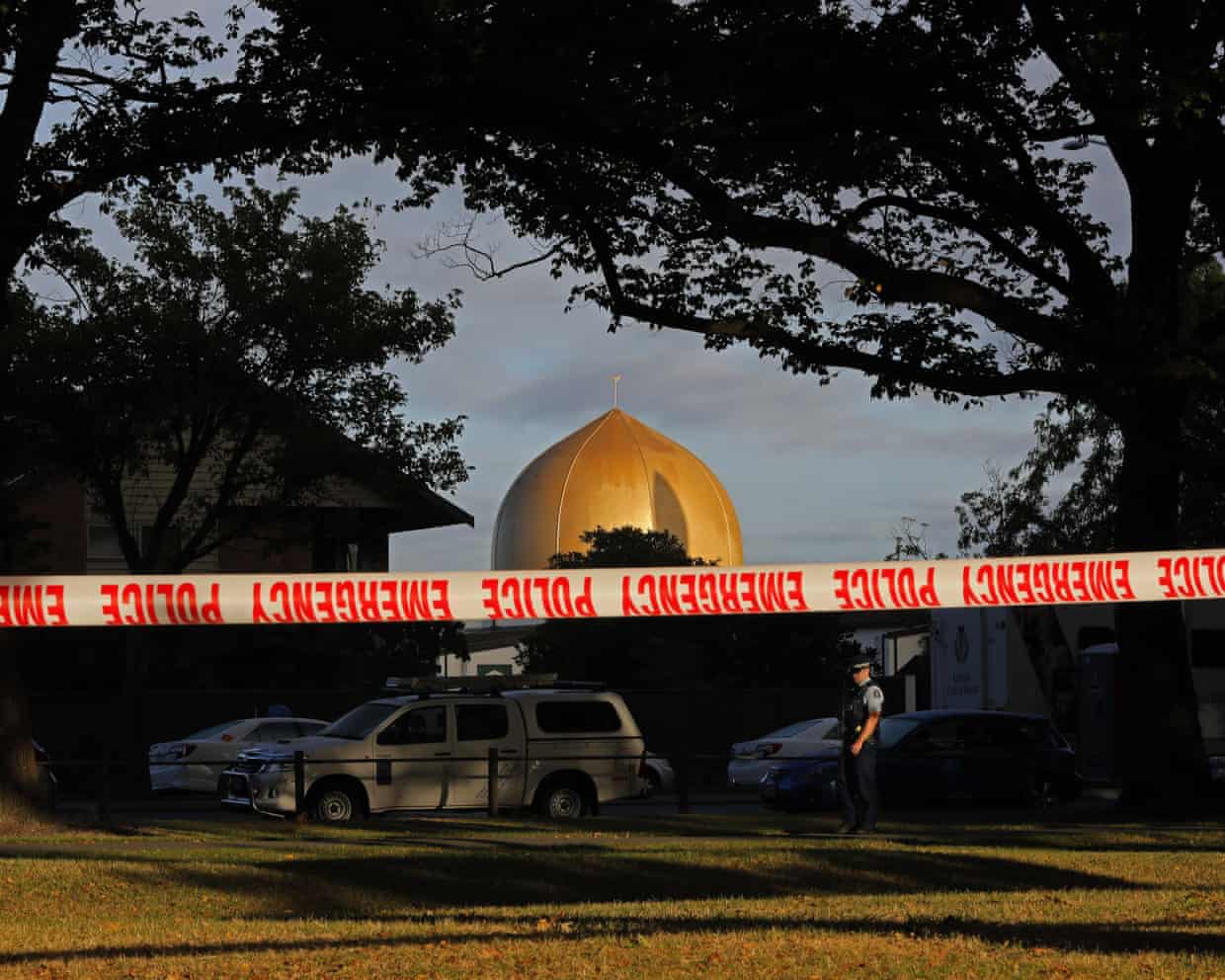
On March 15, 2019, a terrorist attack in Christchurch, New Zealand, claimed the lives of 51 individuals at two mosques. The perpetrator, an Australian man, was sentenced to life imprisonment without the possibility of parole in 2020. Yet, the reverberations of this tragedy continue to echo through Australia, where legal consequences and public discourse surrounding the attack remain limited. Recent cases involving Australian youth have highlighted a troubling trend: the ongoing dissemination of extremist material linked to the Christchurch shooting.
In a notable incident, a boy in South Australia was sentenced in 2025 for possessing documents related to terrorist acts, including the shooter’s manifesto. This case reflects a disturbing pattern, as courts have also reviewed instances of young individuals sharing material from groups such as the Islamic State and neo-Nazi organizations. A 16-year-old was previously sentenced for similar offences, demonstrating the persistent influence of radical ideologies in Australian society.
Legal and Societal Responses
Despite the severity of these cases, the response within Australia contrasts sharply with New Zealand’s comprehensive inquiries into the attack. New Zealand established a royal commission to investigate the events surrounding the Christchurch shootings, focusing on identifying systemic failures that allowed the tragedy to occur. In Australia, however, there has been minimal public discourse about what could have been done to prevent the attack, even though the terrorist interacted with local far-right groups prior to the incident.
Rita Jabri Markwell, a legal advisor to the Australian Muslim Advocacy Network, emphasized the need for collective mourning and reflection. “To grieve what happened, together. And that grieving is so important, because it validates our shared humanity,” she stated. This sentiment underscores a broader call for Australian leaders to facilitate dialogue and accountability regarding the role of domestic extremism.
The impact of the Christchurch attack has also reached beyond Australia, with the terrorist’s propaganda influencing groups internationally. In the United States, court records reveal that the attacker’s manifesto continues to circulate among extremist circles. Dallas Humber, a leader in the white supremacist Terrorgram network, was charged in 2024 for soliciting hate crimes and promoting violence, including materials celebrating the Christchurch shooter. This highlights the transnational nature of extremist ideologies and the urgent need for a coordinated response.
The Need for Proactive Measures
Hank Teran, CEO of Open Measures, a social media research platform, suggests that the spread of such material is often framed within the context of the “great replacement” conspiracy theory. This theory posits that there is a deliberate effort to replace native populations with immigrants. “In the Christchurch context, that ‘other’ was Muslims,” Teran explained. This framing not only legitimizes hate but also facilitates a pipeline from passive exposure to active planning of extremist acts.
To combat this, Teran advocates for proactive educational initiatives aimed at parents and community stakeholders. Understanding the complexities of these issues is crucial in preventing the radicalization of young people. He argues that merely relying on content moderation or age restrictions is insufficient; a comprehensive strategy is required to disrupt the cycle of radicalization.
Alaa Elzokm OAM, imam of the Elsedeaq Heidelberg mosque in Melbourne, plans to participate in a commemoration of the Christchurch attack in New Zealand. He expressed the importance of addressing Islamophobia and racism in Australia, stating that it requires more than sympathy—it demands action. “We don’t want the incident to be forgotten with time. Words are no longer enough,” Elzokm asserted.
The legacy of the Christchurch mosque attack remains a pressing issue within Australia. As the nation grapples with its implications, the call for accountability and active engagement in combating extremism grows louder. Acknowledging the roots of this violence and fostering a united front against hate may be crucial steps in preventing future tragedies.










New $25 Million Funding Boosts Hospital Capacity Ahead of Winter

Discover Sleep Space’s Affordable Bach Bed Packages Today

Jury Dismissed in Sexual Assault Trial Over Misguided Questions

Wellington’s New Gallery Unveils Community-Driven Art Exhibition

All Whites Face Challenges as Injuries Strike Before World Cup

Heroic Bystander Rescues Swimmers from Dangerous Surf in Napier

Nina Oyama Returns to Crime Comedy in Deadloch Season 2

China Southern Airlines Offers Reliable Journey from Auckland to Vietnam

Nina Oyama Returns to Deadloch for Anticipated Season 2

Community Mourns Teens Lost in Mount Maunganui Landslide

Tributes Pour In for Lachlan Rofe, Reality Star, Dead at 47

Private Funeral Held for Dean Field and His Three Children

Funeral Planned for Field Siblings After Tragic House Fire

Netball New Zealand Stands Down Dame Noeline Taurua for Series

Julian Dennison Ties the Knot with Christian Baledrokadroka in New Zealand

Auckland’s Average Rent Surpasses $700 for Three-Bedroom Homes

Al Waha Motors Opens Flagship Jetour Showroom in Al Khor

New Research Reveals Simple Path to Enhanced Happiness
-
 Top Stories6 months ago
Community Mourns Teens Lost in Mount Maunganui Landslide
-
 Entertainment11 months ago
Tributes Pour In for Lachlan Rofe, Reality Star, Dead at 47
-
 World8 months ago
Private Funeral Held for Dean Field and His Three Children
-
 Top Stories8 months ago
Funeral Planned for Field Siblings After Tragic House Fire
-
 Sports11 months ago
Netball New Zealand Stands Down Dame Noeline Taurua for Series
-
 Entertainment6 months ago
Julian Dennison Ties the Knot with Christian Baledrokadroka in New Zealand
-
 Business7 months ago
Auckland’s Average Rent Surpasses $700 for Three-Bedroom Homes
-
 Health6 months ago
Al Waha Motors Opens Flagship Jetour Showroom in Al Khor
-
 Science9 months ago
New Research Reveals Simple Path to Enhanced Happiness
-

 Entertainment10 months ago
New ‘Maverick’ Chaser Joins Beat the Chasers Season Finale
-

 Lifestyle10 months ago
Maia Wilson Faces Backlash Following Taurua’s Suspension
-

 Sports9 months ago
All Blacks Star Damian McKenzie and Partner Announce Baby News