
Top Stories
Former South Korean President Sentenced to Life in Insurrection Case

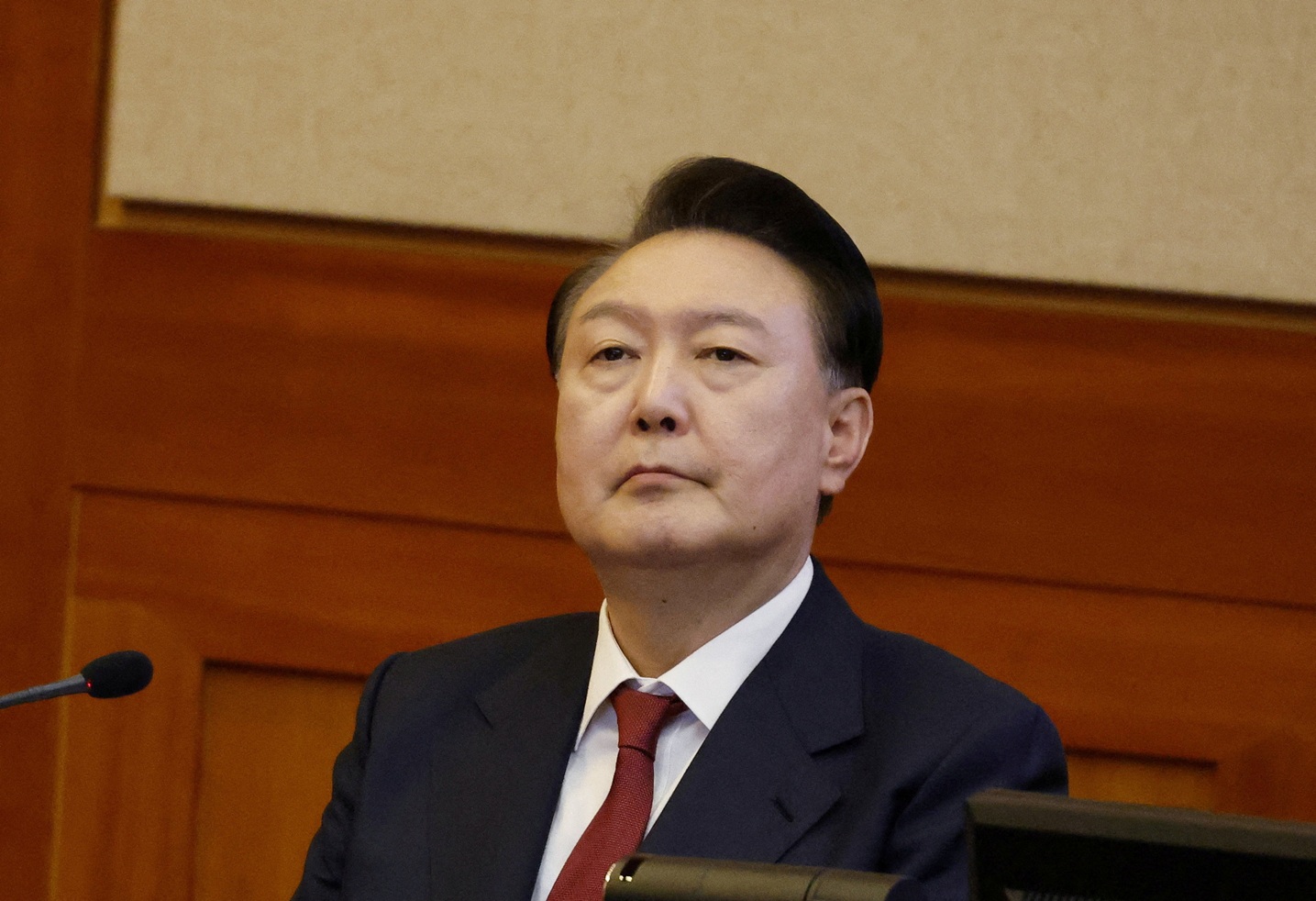
Former South Korean President Yoon Suk-yeol has been sentenced to life imprisonment following a trial concerning his attempt to impose martial law during a political crisis. The ruling comes after prosecutors sought the death penalty, reflecting the deep divisions within the nation. This case marks a significant moment in South Korea’s political landscape, as it raises questions about the resilience of its democracy.
In a ruling on October 15, 2023, the Seoul Central District Court found Yoon guilty of masterminding an insurrection that threatened the constitutional order. Prosecutors argued that his declaration of “unconstitutional and illegal emergency martial law” undermined both the National Assembly and the Election Commission, effectively dismantling the country’s liberal democratic framework. Under South Korean law, an insurrection can lead to a maximum penalty of life imprisonment or the death penalty.
Tensions surrounding the trial were palpable, with a strong police presence outside the court. Security measures included police buses forming a cordon around the building to prevent any unrest. The court also addressed charges against Yoon for abusing his authority by ordering troops to storm parliament to detain opposition members and deploying military and police forces to control access to key facilities, including the opposition party headquarters.
Yoon, 65, has consistently denied the charges. The former career prosecutor maintained that he acted within his presidential authority to declare martial law, asserting that his intentions were to alert the public about opposition parties obstructing governmental functions. Despite his defense, the court found sufficient evidence to convict him.
Currently detained at the Seoul Detention Centre, Yoon is expected to remain there regardless of his appeal plans. If found guilty, he has the option to challenge the ruling at the Supreme Court. The judicial guidelines indicate that initial trials should conclude within six months, with appeals extending the process to about two years. Nevertheless, trials in South Korea often exceed these timeframes.
This case is not Yoon’s only legal challenge. He faces a total of eight ongoing trials and had previously been sentenced to five years in prison in January 2023 for obstructing law enforcement attempts to arrest him following his martial law declaration. Yoon has appealed that decision as well.
The proposed martial law lasted only six hours before it was met with widespread protests, culminating in a parliamentary vote that ultimately rejected Yoon’s actions. This episode sent shockwaves through South Korea, a country known for its robust democratic values and as a key ally of the United States.
In a recent statement on social media platform X, President Lee Jae Myung, who succeeded Yoon following a snap election in June, praised the Korean people’s resistance to martial law. He highlighted the significance of their peaceful protests, stating, “It was possible because it was the Republic of Korea,” and suggested that the public’s actions could serve as a historical example. Some academics have even proposed that the Korean public be nominated for a Nobel Peace Prize for their non-violent opposition to Yoon’s proposed measures.
As the legal battle continues, the implications of this case extend beyond Yoon’s fate. It serves as a critical reflection of South Korea’s political climate and the ongoing challenges facing its democratic institutions.









Film Club Kicks Off 76th Season with Political Themes and Diverse Cinema

Trump’s Iran Strikes Likely to Drive Up Global Fuel Prices

Film Club Launches 76th Season with Political Themes in Cinema

Dan Carter and Lisa Carrington Reflect on Women Who Inspire Sport

Economic Recovery Fuels Property Market Resilience Amid Challenges

Sophie Henderson Shares Her Reading Journey and Upcoming Play

Cancer Society Opens New Centre in Queenstown for Community Support

Can You Solve Today’s Challenging Word Puzzle in One Minute?

Anthropic Rejects Pentagon Demands, Prioritizes AI Ethics

Community Mourns Teens Lost in Mount Maunganui Landslide

Tributes Pour In for Lachlan Rofe, Reality Star, Dead at 47

Private Funeral Held for Dean Field and His Three Children

Funeral Planned for Field Siblings After Tragic House Fire

Netball New Zealand Stands Down Dame Noeline Taurua for Series

Julian Dennison Ties the Knot with Christian Baledrokadroka in New Zealand

New ‘Maverick’ Chaser Joins Beat the Chasers Season Finale

Silver Ferns Legend Laura Langman Criticizes Team’s Attitude

Eli Katoa Rushed to Hospital After Sideline Incident During Match
-
 Top Stories1 month ago
Community Mourns Teens Lost in Mount Maunganui Landslide
-
 Entertainment6 months ago
Tributes Pour In for Lachlan Rofe, Reality Star, Dead at 47
-
 World3 months ago
Private Funeral Held for Dean Field and His Three Children
-
 Top Stories3 months ago
Funeral Planned for Field Siblings After Tragic House Fire
-
 Sports6 months ago
Netball New Zealand Stands Down Dame Noeline Taurua for Series
-
 Entertainment1 month ago
Julian Dennison Ties the Knot with Christian Baledrokadroka in New Zealand
-
 Entertainment5 months ago
New ‘Maverick’ Chaser Joins Beat the Chasers Season Finale
-
 Sports6 months ago
Silver Ferns Legend Laura Langman Criticizes Team’s Attitude
-
 Sports4 months ago
Eli Katoa Rushed to Hospital After Sideline Incident During Match
-

 Sports4 months ago
All Blacks Star Damian McKenzie and Partner Announce Baby News
-

 Sports3 months ago
Nathan Williamson’s Condition Improves Following Race Fall
-

 Politics5 months ago
Netball NZ Calls for Respect Amid Dame Taurua’s Standoff