
Top Stories
How Christmas Disrupts Sleep Patterns and Health for Many

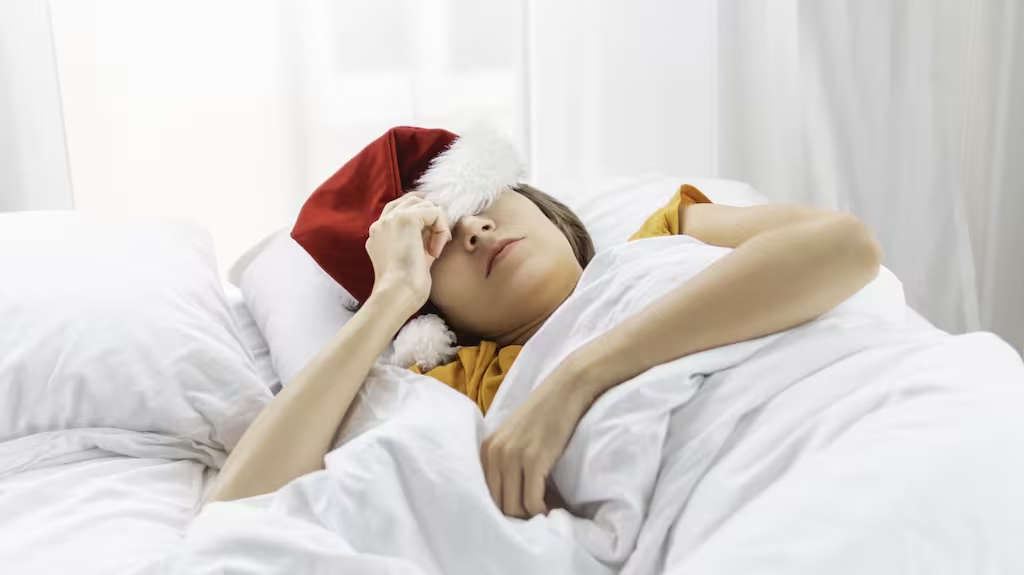
The Christmas season, traditionally viewed as a time for relaxation and joy, often leads to significant disruptions in sleep patterns for many individuals. Factors such as late-night celebrations, travel, indulgent meals, and heightened stress levels create a perfect storm that can impact overall health and well-being. Sleep expert Clare Anderson from the University of Birmingham highlights how the holiday season can quietly undermine sleep quality and offers strategies to mitigate these effects.
Understanding the Holiday Sleep Disruption
One primary issue is the phenomenon known as “social jetlag.” Late-night Christmas parties and irregular sleep schedules can throw off the body’s internal clock. The bright lights and changing routines associated with festive gatherings often result in sluggishness and irritability the following day.
Moreover, many adults struggle to meet the recommended seven hours of sleep each night. Losing even one hour of sleep can accumulate quickly, making the Christmas period a critical opportunity for recovery. This exhaustion can be exacerbated by the heavy meals that are a hallmark of the season. Foods high in fats and carbohydrates can induce a sedative-like effect, leading to increased cravings for sugary snacks followed by a notable energy crash approximately 90 minutes later.
Challenges for Families and Shift Workers
For families, the excitement of Christmas Eve can elevate stress levels in children, making it difficult for them to settle down for the night. Overtired children may become hyperactive, complicating bedtime routines further.
Additionally, seasonal work demands in retail, healthcare, and other essential services can result in longer and overnight shifts. Research indicates that shifts extending beyond ten hours increase the risk of accidents by 13%, while night shifts can raise this risk by an alarming 28%. The combination of fatigue and irregular hours makes the holiday season particularly taxing for these workers.
Travel during the holidays can also lead to fatigue, which is a contributing factor in approximately 17% of fatal vehicle accidents. Long journeys, jet lag, unfamiliar sleeping environments, and decreased sleep all heighten this risk.
The Impact of Seasonal Factors
The winter months also present unique challenges. Shorter daylight hours reduce natural light exposure, while bright festive lights at night can overstimulate the brain. This imbalance can disrupt circadian rhythms, potentially affecting heart rate and blood sugar levels during sleep.
Alcohol consumption is another factor that can complicate sleep. While it may initially help individuals fall asleep faster, it often leads to fragmented sleep and worsens breathing issues. Many people might not consciously remember waking during the night, but they certainly feel the effects the following day.
Despite these challenges, Christmas Day often sees an increase in napping. On average, people sleep about 5% more during the holiday, and a short nap of 20–30 minutes can bolster the immune system.
Addressing Holiday Anxiety and Sleep Issues
The holiday season can also bring about increased levels of anxiety due to financial pressures, feelings of loneliness, and high expectations. Such anxiety can elevate the risk of sleep problems by 90%, creating a vicious cycle where poor sleep exacerbates anxiety.
New Year’s Eve is often considered the worst night for sleep, with bedtimes delayed by around 90 minutes. This disruption can lead to higher accident rates the following day, underscoring the importance of adequate rest during this festive period.
To protect sleep during the holidays, Anderson recommends maintaining regular sleep and wake times, aiming for at least seven hours of sleep, and keeping naps short and early in the day. Individuals should also moderate their intake of alcohol and heavy foods, manage light exposure, support children’s bedtime routines, and take extra precautions while traveling.
As families navigate the holiday season, prioritizing sleep can be a valuable gift to oneself, enhancing both health and overall enjoyment of this festive time.

New $25 Million Funding Boosts Hospital Capacity Ahead of Winter

Discover Sleep Space’s Affordable Bach Bed Packages Today

Jury Dismissed in Sexual Assault Trial Over Misguided Questions

Wellington’s New Gallery Unveils Community-Driven Art Exhibition

All Whites Face Challenges as Injuries Strike Before World Cup

Heroic Bystander Rescues Swimmers from Dangerous Surf in Napier

Nina Oyama Returns to Crime Comedy in Deadloch Season 2

China Southern Airlines Offers Reliable Journey from Auckland to Vietnam

Nina Oyama Returns to Deadloch for Anticipated Season 2

Community Mourns Teens Lost in Mount Maunganui Landslide

Tributes Pour In for Lachlan Rofe, Reality Star, Dead at 47

Private Funeral Held for Dean Field and His Three Children

Funeral Planned for Field Siblings After Tragic House Fire

Netball New Zealand Stands Down Dame Noeline Taurua for Series

Al Waha Motors Opens Flagship Jetour Showroom in Al Khor

Julian Dennison Ties the Knot with Christian Baledrokadroka in New Zealand

Auckland’s Average Rent Surpasses $700 for Three-Bedroom Homes

New Research Reveals Simple Path to Enhanced Happiness
-
 Top Stories6 months ago
Community Mourns Teens Lost in Mount Maunganui Landslide
-
 Entertainment11 months ago
Tributes Pour In for Lachlan Rofe, Reality Star, Dead at 47
-
 World8 months ago
Private Funeral Held for Dean Field and His Three Children
-
 Top Stories9 months ago
Funeral Planned for Field Siblings After Tragic House Fire
-
 Sports11 months ago
Netball New Zealand Stands Down Dame Noeline Taurua for Series
-
 Health6 months ago
Al Waha Motors Opens Flagship Jetour Showroom in Al Khor
-
 Entertainment7 months ago
Julian Dennison Ties the Knot with Christian Baledrokadroka in New Zealand
-
 Business7 months ago
Auckland’s Average Rent Surpasses $700 for Three-Bedroom Homes
-
 Science9 months ago
New Research Reveals Simple Path to Enhanced Happiness
-

 Entertainment10 months ago
New ‘Maverick’ Chaser Joins Beat the Chasers Season Finale
-

 Lifestyle10 months ago
Maia Wilson Faces Backlash Following Taurua’s Suspension
-

 Sports10 months ago
All Blacks Star Damian McKenzie and Partner Announce Baby News