
Top Stories
Howick Volunteer Coastguard: Lifesavers on the Hauraki Gulf

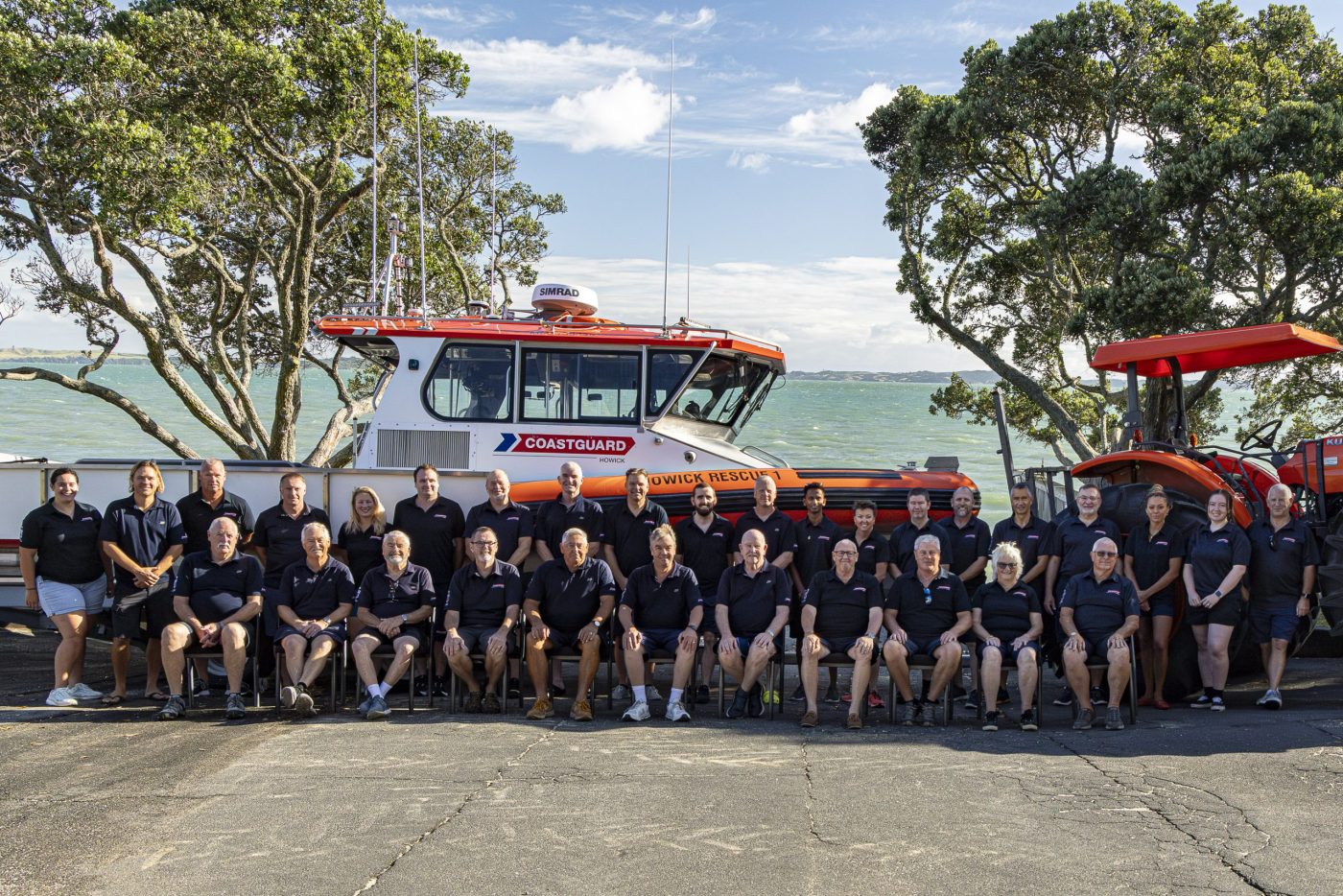
The Howick Volunteer Coastguard plays a crucial role in marine safety on the Hauraki Gulf, responding to emergencies and providing vital support across the region. This dedicated group of volunteers is often the first on the scene during incidents ranging from boat breakdowns to search and rescue operations.
Scott Kennedy, the executive officer of the Howick Volunteer Coastguard, highlights the commitment of its members, stating, “We go wherever we’re asked to go.” Covering a vast area of the Hauraki Gulf, including the distance to Great Barrier Island, the unit operates in coordination with five other Coastguard units in Auckland. Each unit has a designated duty day, ensuring that one team is always ready to respond to urgent calls.
The Howick Volunteer Coastguard is available 24 hours a day, seven days a week. The unit’s mission extends beyond rescue operations; it also engages in community events and promotes boating safety through educational outreach. Despite a decrease in incidents over the past year, the organization continues to demonstrate its effectiveness and dedication. The group rescued 387 people in the 2023/2024 period, with that number dropping to 306 people in 2024/2025.
Kennedy explains the operational structure, noting that if volunteers are unavailable for a callout, other units will take over. On weekends, volunteers train and prepare for emergencies while remaining ready to respond. “We’ll do training exercises and train new recruits to keep everyone pretty sharp,” he notes. Training sessions typically last around five hours but can extend significantly if larger tasks arise.
The Howick Volunteer Coastguard currently comprises approximately 60 active volunteers, with around 35 serving as “wet crew” members who operate the boats. The remainder assists with maintenance, fundraising, and administrative tasks. Kennedy emphasizes the need for continuous recruitment, stating, “We always have a callout for new people because volunteers come and go.”
The qualifications for crew members vary, with the highest level being the skipper or master, who is responsible for the vessel. Operational crew members undergo extensive training, which can take between 18 months and three years to complete. For the boat to depart, at least one master and two qualified crew members must be on board. Crew members learn essential skills, including handling lines and operating navigation systems, throughout their training.
Kennedy points out the importance of mentoring within the organization, saying, “We have people who might have been volunteering for a year and then we’ve got people who have been volunteering for 40 years and still going.” The minimum age for volunteers is 16 years, with no maximum age limit. This inclusivity is reflected in the diverse age range of the membership, including a notable volunteer who is nearly 80 years old and actively participates in training and operations.
As Kennedy works towards becoming a skipper, he shares the responsibilities of an operational crew member, which can include operating the boat, managing navigation, and coordinating search patterns during missions. “As a qualified crew member, you can do anything on the boat,” he explains.
Individuals interested in joining the Howick Volunteer Coastguard can find more information on their website at www.coastguard.nz/our-story/about-us/find-your-local/howick. The organization welcomes new volunteers to help maintain its essential services and enhance marine safety in the Hauraki Gulf.











New $25 Million Funding Boosts Hospital Capacity Ahead of Winter

Discover Sleep Space’s Affordable Bach Bed Packages Today

Jury Dismissed in Sexual Assault Trial Over Misguided Questions

Wellington’s New Gallery Unveils Community-Driven Art Exhibition

All Whites Face Challenges as Injuries Strike Before World Cup

Heroic Bystander Rescues Swimmers from Dangerous Surf in Napier

Nina Oyama Returns to Crime Comedy in Deadloch Season 2

China Southern Airlines Offers Reliable Journey from Auckland to Vietnam

Nina Oyama Returns to Deadloch for Anticipated Season 2

Community Mourns Teens Lost in Mount Maunganui Landslide

Tributes Pour In for Lachlan Rofe, Reality Star, Dead at 47

Private Funeral Held for Dean Field and His Three Children

Funeral Planned for Field Siblings After Tragic House Fire

Netball New Zealand Stands Down Dame Noeline Taurua for Series

Julian Dennison Ties the Knot with Christian Baledrokadroka in New Zealand

Auckland’s Average Rent Surpasses $700 for Three-Bedroom Homes

Al Waha Motors Opens Flagship Jetour Showroom in Al Khor

New Research Reveals Simple Path to Enhanced Happiness
-
 Top Stories6 months ago
Community Mourns Teens Lost in Mount Maunganui Landslide
-
 Entertainment11 months ago
Tributes Pour In for Lachlan Rofe, Reality Star, Dead at 47
-
 World8 months ago
Private Funeral Held for Dean Field and His Three Children
-
 Top Stories8 months ago
Funeral Planned for Field Siblings After Tragic House Fire
-
 Sports11 months ago
Netball New Zealand Stands Down Dame Noeline Taurua for Series
-
 Entertainment6 months ago
Julian Dennison Ties the Knot with Christian Baledrokadroka in New Zealand
-
 Business7 months ago
Auckland’s Average Rent Surpasses $700 for Three-Bedroom Homes
-
 Health6 months ago
Al Waha Motors Opens Flagship Jetour Showroom in Al Khor
-
 Science9 months ago
New Research Reveals Simple Path to Enhanced Happiness
-

 Entertainment10 months ago
New ‘Maverick’ Chaser Joins Beat the Chasers Season Finale
-

 Lifestyle10 months ago
Maia Wilson Faces Backlash Following Taurua’s Suspension
-

 Sports9 months ago
All Blacks Star Damian McKenzie and Partner Announce Baby News