
Top Stories
New Zealand’s Defence Strategy Aligns with AUKUS Objectives

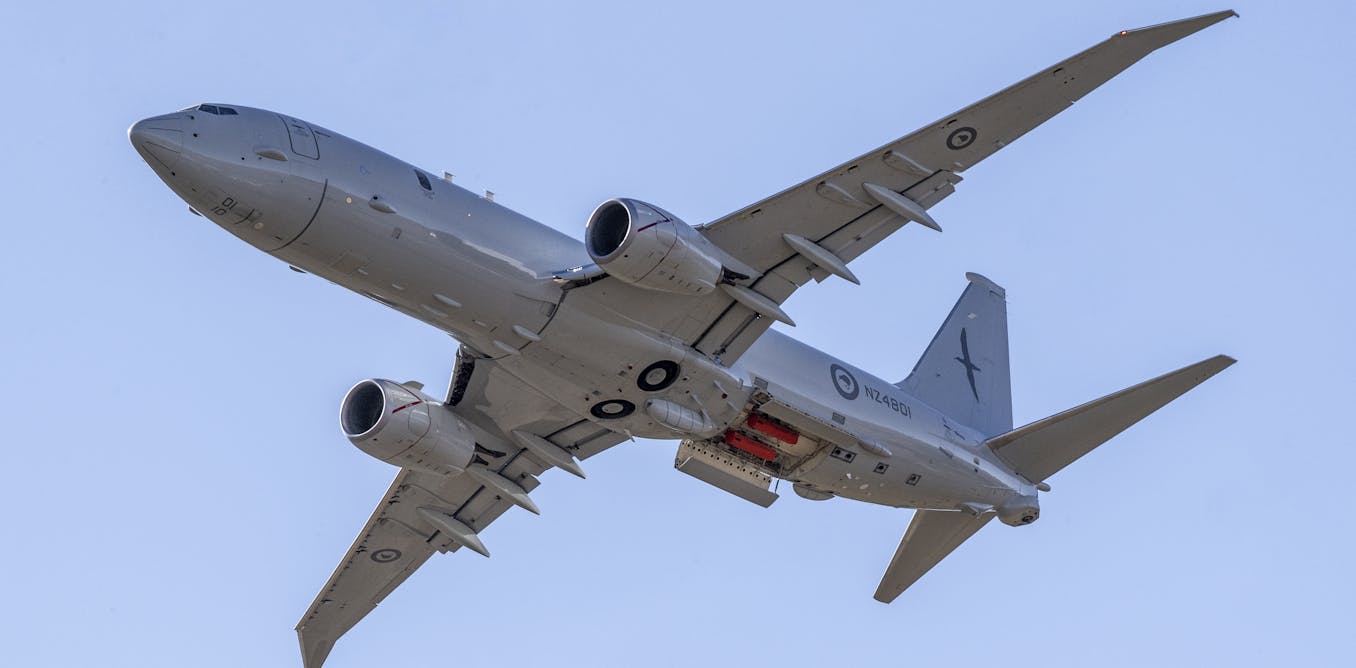
New Zealand is navigating a complex landscape in its defence and intelligence policy, reflecting a shift towards closer alignment with the AUKUS security pact. While the government has indicated it is only assessing involvement in Pillar II of AUKUS, key developments suggest a deeper integration with the objectives of this trilateral agreement involving Australia, the United States, and the United Kingdom.
Pillar I of AUKUS focuses on Australia’s acquisition of nuclear-powered submarines. In contrast, Pillar II emphasizes collaboration on advanced military technologies, such as cyber systems, artificial intelligence, autonomous platforms, undersea capabilities, and space-based surveillance. Despite New Zealand’s cautious public stance, documents like the Defence Capability Plan 2025 and ongoing procurement processes illustrate that many initiatives aligned with Pillar II are already in motion.
Shifting Surveillance Strategies
The Defence Capability Plan serves as a roadmap for New Zealand’s military enhancements, proposing an investment of NZ$100–300 million in long-range, uncrewed, remotely-piloted aircraft. These aircraft aim to bolster intelligence, surveillance, and reconnaissance capabilities across expansive ocean territories. In conjunction with a broader NZ$14 billion defence overhaul, an additional NZ$300–600 million is allocated for space-based capabilities, which will integrate New Zealand into shared satellite networks and foster operational cooperation with key allies.
Recent tender submissions for the Persistent Surveillance (Air) Project invite collaboration from industry and academia to create a comprehensive system for long-duration surveillance in the southwest Pacific and Southern Ocean. Collectively, these initiatives mark a transition from intermittent patrols to continuous, interconnected monitoring, closely mirroring the “multi-domain maritime awareness” framework underscored in AUKUS Pillar II.
While successive governments have approached potential ties to AUKUS with caution—particularly in light of concerns over nuclear proliferation and the deployment of autonomous weaponry—the current administration appears to be leaning towards a significant shift. The Defence Capability Plan’s focus on long-range drones, satellite surveillance, and data integration reflects a prioritization of initiatives that resonate with AUKUS Pillar II objectives.
Balancing Benefits and Risks
New Zealand could gain considerable advantages from these policy shifts, enhancing its strategic significance to defence partners and amplifying its voice in regional maritime monitoring. Yet such integration comes with inherent risks. Research indicates that aligning surveillance systems with allied networks can create enduring technical and political dependencies, potentially constraining New Zealand’s ability to make independent decisions in the Pacific.
Collaborations like the Indo-Pacific Partnership for Maritime Domain Awareness, which includes Australia, India, Japan, and the US—referred to as the “Quad”—facilitate the merging of surveillance data to create a unified operational picture across the region. Similar dynamics are present in the Pacific Fusion Centre’s information-sharing network, known as PacNet #28. These arrangements can lock countries into specific frameworks, with one nation controlling data management and filtering processes.
Public sentiment in New Zealand largely supports contributions to regional security. However, there is unease regarding involvement in conflicts that primarily serve the interests of larger powers. Issues surrounding autonomous weapons, AI-assisted targeting, and militarized space systems provoke legal and ethical debates about human oversight in military operations.
Defence officials often assert that drones and space-enabled surveillance not only reduce risks to personnel but also enhance humanitarian and disaster-response efforts. While these claims hold some merit, there is a pressing need for transparent public discourse on the deployment of such technologies and the parameters that govern their use.
For decades, the New Zealand Defence Force has been recognized for its agility and principled diplomacy. Yet, the emerging approach to surveillance, shaped through procurement decisions and strategic collaborations, is increasingly embedding New Zealand within allied security frameworks.
The government has committed to keeping the public informed about any future partnerships with AUKUS, yet this transparency must extend to broader defence policy discussions. Ensuring that New Zealanders are engaged in these conversations is crucial, particularly as militarized surveillance systems become more prevalent in the region.
As New Zealand moves forward, the implications of its defence strategy will not only affect its national security but also its relationships with both allies and regional stakeholders.










New $25 Million Funding Boosts Hospital Capacity Ahead of Winter

Discover Sleep Space’s Affordable Bach Bed Packages Today

Jury Dismissed in Sexual Assault Trial Over Misguided Questions

Wellington’s New Gallery Unveils Community-Driven Art Exhibition

All Whites Face Challenges as Injuries Strike Before World Cup

Heroic Bystander Rescues Swimmers from Dangerous Surf in Napier

Nina Oyama Returns to Crime Comedy in Deadloch Season 2

China Southern Airlines Offers Reliable Journey from Auckland to Vietnam

Nina Oyama Returns to Deadloch for Anticipated Season 2

Community Mourns Teens Lost in Mount Maunganui Landslide

Tributes Pour In for Lachlan Rofe, Reality Star, Dead at 47

Private Funeral Held for Dean Field and His Three Children

Funeral Planned for Field Siblings After Tragic House Fire

Netball New Zealand Stands Down Dame Noeline Taurua for Series

Al Waha Motors Opens Flagship Jetour Showroom in Al Khor

Julian Dennison Ties the Knot with Christian Baledrokadroka in New Zealand

Auckland’s Average Rent Surpasses $700 for Three-Bedroom Homes

New Research Reveals Simple Path to Enhanced Happiness
-
 Top Stories7 months ago
Community Mourns Teens Lost in Mount Maunganui Landslide
-
 Entertainment11 months ago
Tributes Pour In for Lachlan Rofe, Reality Star, Dead at 47
-
 World9 months ago
Private Funeral Held for Dean Field and His Three Children
-
 Top Stories9 months ago
Funeral Planned for Field Siblings After Tragic House Fire
-
 Sports11 months ago
Netball New Zealand Stands Down Dame Noeline Taurua for Series
-
 Health7 months ago
Al Waha Motors Opens Flagship Jetour Showroom in Al Khor
-
 Entertainment7 months ago
Julian Dennison Ties the Knot with Christian Baledrokadroka in New Zealand
-
 Business7 months ago
Auckland’s Average Rent Surpasses $700 for Three-Bedroom Homes
-
 Science10 months ago
New Research Reveals Simple Path to Enhanced Happiness
-

 Entertainment10 months ago
New ‘Maverick’ Chaser Joins Beat the Chasers Season Finale
-

 Lifestyle11 months ago
Maia Wilson Faces Backlash Following Taurua’s Suspension
-

 Sports10 months ago
All Blacks Star Damian McKenzie and Partner Announce Baby News