
World
AI-Generated Aboriginal Influencer Raises Ethical Concerns

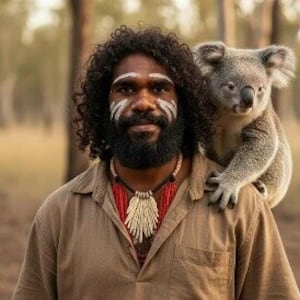
A widely followed social media account, known as the “Bush Legend,” which features a figure claiming to be an Aboriginal man, has been revealed to originate from New Zealand and utilize artificial intelligence for its content creation. This revelation raises significant ethical concerns regarding the representation of indigenous cultures in digital media.
The Bush Legend account, which has attracted over 211,000 followers on platforms such as TikTok and Meta, primarily focuses on Australian wildlife. The videos typically showcase the figure in khaki outfits or ochre, often set against a backdrop of yidaki (didgeridoo) music, creating an immersive experience for viewers. However, a recent investigation by the Herald unveiled that the visuals are entirely AI-generated, with the account explicitly stating its use of “AI-generated visuals to share wildlife stories” in its description.
As the videos depict the Bush Legend engaging with various native animals while narrating fascinating facts, many followers have expressed admiration for his apparent knowledge and skills. The extent to which audiences are aware of the account’s artificial nature remains unclear, posing questions about authenticity and representation in the digital age.
Ethical Implications of AI in Cultural Representation
The emergence of AI-generated personas like the Bush Legend prompts a deeper examination of how technology intersects with cultural identity. Critics argue that the use of artificial intelligence to create content that mimics indigenous voices can perpetuate stereotypes and dilute genuine cultural expressions. The fact that a non-indigenous creator is behind this portrayal raises concerns about cultural appropriation and the commodification of indigenous narratives.
Indigenous communities often advocate for authentic representation in media, emphasizing the importance of voices that truly reflect their experiences and traditions. The Bush Legend’s case underscores the need for transparency in digital content, especially when it comes to portraying marginalized groups. The impact of such representations can influence public perceptions and attitudes toward indigenous cultures, often reinforcing misconceptions rather than fostering understanding.
The Role of Social Media Platforms
As social media continues to shape cultural discourse, the responsibility of platforms like TikTok and Meta becomes increasingly significant. Users are drawn to engaging content, but this case highlights the potential for misleading narratives that can arise from AI-generated material. While these platforms provide a space for creative expression, they also bear the burden of ensuring that content adheres to ethical standards and respects cultural sensitivities.
In response to growing concerns about authenticity, experts urge social media companies to implement clearer guidelines regarding the use of AI in content creation. This could involve requiring disclosures when content is generated by artificial intelligence, particularly when it pertains to cultural representations. By promoting transparency, these platforms can help safeguard the integrity of indigenous stories and foster a more respectful digital environment.
As discussions surrounding the Bush Legend unfold, they reflect broader societal questions about identity, representation, and the role of technology in shaping narratives. The case serves as a reminder of the importance of fostering genuine connections with cultural stories, ensuring that they are told by those who truly understand and embody them.










New $25 Million Funding Boosts Hospital Capacity Ahead of Winter

Discover Sleep Space’s Affordable Bach Bed Packages Today

Jury Dismissed in Sexual Assault Trial Over Misguided Questions

Wellington’s New Gallery Unveils Community-Driven Art Exhibition

All Whites Face Challenges as Injuries Strike Before World Cup

Heroic Bystander Rescues Swimmers from Dangerous Surf in Napier

Nina Oyama Returns to Crime Comedy in Deadloch Season 2

China Southern Airlines Offers Reliable Journey from Auckland to Vietnam

Nina Oyama Returns to Deadloch for Anticipated Season 2

Community Mourns Teens Lost in Mount Maunganui Landslide

Tributes Pour In for Lachlan Rofe, Reality Star, Dead at 47

Private Funeral Held for Dean Field and His Three Children

Funeral Planned for Field Siblings After Tragic House Fire

Netball New Zealand Stands Down Dame Noeline Taurua for Series

Julian Dennison Ties the Knot with Christian Baledrokadroka in New Zealand

Al Waha Motors Opens Flagship Jetour Showroom in Al Khor

Auckland’s Average Rent Surpasses $700 for Three-Bedroom Homes

New Research Reveals Simple Path to Enhanced Happiness
-
 Top Stories6 months ago
Community Mourns Teens Lost in Mount Maunganui Landslide
-
 Entertainment11 months ago
Tributes Pour In for Lachlan Rofe, Reality Star, Dead at 47
-
 World8 months ago
Private Funeral Held for Dean Field and His Three Children
-
 Top Stories8 months ago
Funeral Planned for Field Siblings After Tragic House Fire
-
 Sports11 months ago
Netball New Zealand Stands Down Dame Noeline Taurua for Series
-
 Entertainment6 months ago
Julian Dennison Ties the Knot with Christian Baledrokadroka in New Zealand
-
 Health6 months ago
Al Waha Motors Opens Flagship Jetour Showroom in Al Khor
-
 Business7 months ago
Auckland’s Average Rent Surpasses $700 for Three-Bedroom Homes
-
 Science9 months ago
New Research Reveals Simple Path to Enhanced Happiness
-

 Entertainment10 months ago
New ‘Maverick’ Chaser Joins Beat the Chasers Season Finale
-

 Lifestyle10 months ago
Maia Wilson Faces Backlash Following Taurua’s Suspension
-

 Sports9 months ago
All Blacks Star Damian McKenzie and Partner Announce Baby News