
World
Bay of Plenty Council Culls Over 2,000 Wallabies to Combat Infestation

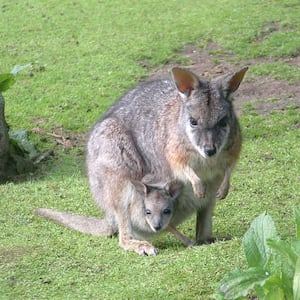
The Bay of Plenty Regional Council has taken significant action to address a rising wallaby population by culling more than 2,000 of the animals during the 2024/25 pest control program. Wallabies, originally introduced from Australia in the late 1800s for hunting and private zoos, have thrived in New Zealand due to the absence of natural predators. Current estimates suggest that over 1 million wallabies now inhabit the wild in New Zealand, posing a serious threat to local biodiversity and the economy.
The introduction of wallabies to New Zealand was intended for recreational hunting and display, but their rapid increase has led to concerns among environmentalists and farmers alike. The wallabies, often perceived as cute and cuddly creatures, have adapted well to New Zealand’s diverse environments. This adaptation has enabled them to flourish, but it has also resulted in significant ecological consequences.
Environmental Impact and Economic Concerns
The presence of such a large wallaby population has raised alarms regarding its impact on New Zealand’s native species. Wallabies compete for food and habitat with indigenous wildlife, disrupting local ecosystems. Their feeding habits can lead to the degradation of native flora, which in turn affects the animals that rely on those plants for survival.
According to the Bay of Plenty Regional Council, the decision to implement a culling program was driven by the need to protect New Zealand’s unique biodiversity. The council has emphasized that while wallabies may seem harmless, their growing numbers can result in long-term damage to the environment. The economic ramifications are also significant, as farmers report losses due to wallabies damaging crops and pastures.
Future Strategies for Pest Control
The Bay of Plenty Regional Council plans to continue its pest control measures in the coming years. Officials are exploring various strategies aimed at managing the wallaby population more sustainably. These may include public awareness campaigns, increased hunting licenses, and partnerships with local conservation groups.
As the culling program progresses, the council remains committed to monitoring the situation closely. They are also looking to gather data on the effectiveness of their actions to ensure that both the environment and the agricultural sector can thrive in a balanced ecosystem.
In conclusion, the culling of over 2,000 wallabies highlights the challenges New Zealand faces in managing introduced species. The Bay of Plenty Regional Council’s efforts reflect a broader commitment to preserving the nation’s unique biodiversity while addressing the economic impacts of these invasive animals.









New $25 Million Funding Boosts Hospital Capacity Ahead of Winter

Discover Sleep Space’s Affordable Bach Bed Packages Today

Jury Dismissed in Sexual Assault Trial Over Misguided Questions

Wellington’s New Gallery Unveils Community-Driven Art Exhibition

All Whites Face Challenges as Injuries Strike Before World Cup

Heroic Bystander Rescues Swimmers from Dangerous Surf in Napier

Nina Oyama Returns to Crime Comedy in Deadloch Season 2

China Southern Airlines Offers Reliable Journey from Auckland to Vietnam

Nina Oyama Returns to Deadloch for Anticipated Season 2

Community Mourns Teens Lost in Mount Maunganui Landslide

Tributes Pour In for Lachlan Rofe, Reality Star, Dead at 47

Private Funeral Held for Dean Field and His Three Children

Funeral Planned for Field Siblings After Tragic House Fire

Netball New Zealand Stands Down Dame Noeline Taurua for Series

Julian Dennison Ties the Knot with Christian Baledrokadroka in New Zealand

New Research Reveals Simple Path to Enhanced Happiness

New ‘Maverick’ Chaser Joins Beat the Chasers Season Finale

Maia Wilson Faces Backlash Following Taurua’s Suspension
-
 Top Stories5 months ago
Community Mourns Teens Lost in Mount Maunganui Landslide
-
 Entertainment10 months ago
Tributes Pour In for Lachlan Rofe, Reality Star, Dead at 47
-
 World7 months ago
Private Funeral Held for Dean Field and His Three Children
-
 Top Stories7 months ago
Funeral Planned for Field Siblings After Tragic House Fire
-
 Sports10 months ago
Netball New Zealand Stands Down Dame Noeline Taurua for Series
-
 Entertainment5 months ago
Julian Dennison Ties the Knot with Christian Baledrokadroka in New Zealand
-
 Science8 months ago
New Research Reveals Simple Path to Enhanced Happiness
-
 Entertainment9 months ago
New ‘Maverick’ Chaser Joins Beat the Chasers Season Finale
-
 Lifestyle9 months ago
Maia Wilson Faces Backlash Following Taurua’s Suspension
-

 Sports8 months ago
All Blacks Star Damian McKenzie and Partner Announce Baby News
-

 Sports10 months ago
Silver Ferns Legend Laura Langman Criticizes Team’s Attitude
-

 Sports8 months ago
Eli Katoa Rushed to Hospital After Sideline Incident During Match