
World
Bay of Plenty Council Reduces Wallaby Population by 2,000

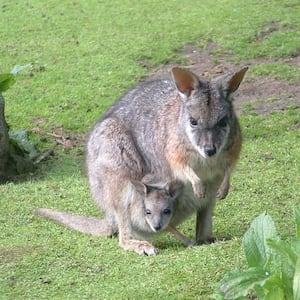
The Bay of Plenty Regional Council has successfully reduced the wallaby population by more than 2,000 individuals as part of its ongoing pest control program for the 2024/25 period. These wallabies, originally introduced from Australia in the late 1800s for various purposes including hunting and private zoos, have become a significant ecological concern in New Zealand.
Impact of Wallaby Population Growth
Without natural predators in New Zealand, wallabies have thrived in the wild, with current estimates indicating their numbers exceed 1 million. While their appearance may be endearing, these marsupials pose a serious threat to local biodiversity and the agricultural economy. Their grazing habits can damage native plant species and disrupt ecosystems, leading to long-term ecological imbalances.
The council’s pest control initiatives aim to mitigate these impacts by managing the population effectively. This year’s operation is part of a broader strategy to protect New Zealand’s unique flora and fauna, which has been under pressure from invasive species. According to environmental experts, controlling the wallaby population is critical to preserving the country’s natural heritage.
Broader Context of Pest Control in New Zealand
The introduction of wallabies to New Zealand was intended to enhance recreational hunting and provide exotic wildlife for private collections. However, the lack of natural checks on their population, combined with their rapid reproduction rates, has led to their current status as an invasive species.
The Bay of Plenty Regional Council’s efforts reflect a growing awareness and response to the challenges posed by non-native species. Other regions in New Zealand are implementing similar programs to address their unique pest challenges. The successful culling of over 2,000 wallabies this year is a testament to the council’s commitment to preserving the country’s biodiversity.
As the council continues its efforts, it emphasizes the importance of community awareness and support in pest management. Engaging local residents in these initiatives can foster a sense of responsibility towards New Zealand’s environment.
The impact of these measures extends beyond ecological preservation; it also aims to safeguard the economic interests of farmers and communities that rely on healthy ecosystems. With wildlife management becoming an increasingly pressing issue, the Bay of Plenty Regional Council’s actions serve as a model for other regions facing similar ecological challenges.









New $25 Million Funding Boosts Hospital Capacity Ahead of Winter

Discover Sleep Space’s Affordable Bach Bed Packages Today

Jury Dismissed in Sexual Assault Trial Over Misguided Questions

Wellington’s New Gallery Unveils Community-Driven Art Exhibition

All Whites Face Challenges as Injuries Strike Before World Cup

Heroic Bystander Rescues Swimmers from Dangerous Surf in Napier

Nina Oyama Returns to Crime Comedy in Deadloch Season 2

China Southern Airlines Offers Reliable Journey from Auckland to Vietnam

Nina Oyama Returns to Deadloch for Anticipated Season 2

Community Mourns Teens Lost in Mount Maunganui Landslide

Tributes Pour In for Lachlan Rofe, Reality Star, Dead at 47

Private Funeral Held for Dean Field and His Three Children

Funeral Planned for Field Siblings After Tragic House Fire

Netball New Zealand Stands Down Dame Noeline Taurua for Series

Al Waha Motors Opens Flagship Jetour Showroom in Al Khor

Julian Dennison Ties the Knot with Christian Baledrokadroka in New Zealand

Auckland’s Average Rent Surpasses $700 for Three-Bedroom Homes

New Research Reveals Simple Path to Enhanced Happiness
-
 Top Stories7 months ago
Community Mourns Teens Lost in Mount Maunganui Landslide
-
 Entertainment11 months ago
Tributes Pour In for Lachlan Rofe, Reality Star, Dead at 47
-
 World9 months ago
Private Funeral Held for Dean Field and His Three Children
-
 Top Stories9 months ago
Funeral Planned for Field Siblings After Tragic House Fire
-
 Sports11 months ago
Netball New Zealand Stands Down Dame Noeline Taurua for Series
-
 Health7 months ago
Al Waha Motors Opens Flagship Jetour Showroom in Al Khor
-
 Entertainment7 months ago
Julian Dennison Ties the Knot with Christian Baledrokadroka in New Zealand
-
 Business7 months ago
Auckland’s Average Rent Surpasses $700 for Three-Bedroom Homes
-
 Science10 months ago
New Research Reveals Simple Path to Enhanced Happiness
-

 Entertainment10 months ago
New ‘Maverick’ Chaser Joins Beat the Chasers Season Finale
-

 Lifestyle11 months ago
Maia Wilson Faces Backlash Following Taurua’s Suspension
-

 Sports10 months ago
All Blacks Star Damian McKenzie and Partner Announce Baby News