
World
Exploring 1930s Docking Practices for Enhanced Lamb Survival

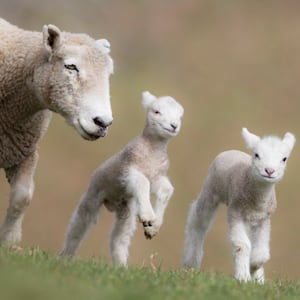
In a retrospective look at farming practices, researcher Kem Ormond examines newspaper articles from the 1930s that detail the procedures for docking lambs. This historical insight sheds light on how farmers approached lamb survival during that era and highlights the communal effort often involved in this essential task. The findings reveal that many methods used for docking in the 1930s remain consistent with modern practices, emphasizing the enduring nature of agricultural traditions.
Historical Context of Docking Practices
Docking, which involves the removal of part of a lamb’s tail, has long been regarded as a critical procedure in sheep husbandry. The primary purpose is to reduce the risk of flystrike, a condition that can severely affect lamb health. In the 1930s, farmers relied on similar techniques to those used today, showcasing a remarkable continuity in agricultural practices across generations.
According to Ormond, the community aspect of docking has been a cherished tradition on farms. Families and friends would gather during docking season to assist one another, fostering a sense of camaraderie and shared responsibility. This cooperative spirit not only made the task more manageable but also reinforced social bonds within farming communities.
Modern Implications and Practices
Despite the passage of decades, the setup for docking remains strikingly similar. Ormond notes that portable docking yards were often established centrally on farms for ease of access, allowing farmers to efficiently pen the lambs and ewes with minimal fuss. This logistical consideration has proven to be a timeless strategy, enhancing both the safety and welfare of the animals.
The methods employed today include various pain management practices, reflecting a growing awareness of animal welfare. While the core procedures have not changed dramatically, advancements in veterinary care and ethical considerations have led to improved outcomes for lambs during the docking process.
This examination of historical docking practices not only highlights the importance of tradition in farming but also encourages contemporary farmers to reflect on the evolution of their techniques. As agricultural practices continue to develop, the lessons learned from the past can guide future improvements in livestock management and animal welfare.
Overall, Ormond’s research serves as a reminder of the enduring nature of farming traditions and the communal values that have shaped agricultural practices over the years. The collaborative effort in docking lambs remains a testament to the close-knit relationships within farming families, bridging generations and preserving vital knowledge for years to come.



New $25 Million Funding Boosts Hospital Capacity Ahead of Winter

Discover Sleep Space’s Affordable Bach Bed Packages Today

Jury Dismissed in Sexual Assault Trial Over Misguided Questions

Wellington’s New Gallery Unveils Community-Driven Art Exhibition

All Whites Face Challenges as Injuries Strike Before World Cup

Heroic Bystander Rescues Swimmers from Dangerous Surf in Napier

Nina Oyama Returns to Crime Comedy in Deadloch Season 2

China Southern Airlines Offers Reliable Journey from Auckland to Vietnam

Nina Oyama Returns to Deadloch for Anticipated Season 2

Community Mourns Teens Lost in Mount Maunganui Landslide

Tributes Pour In for Lachlan Rofe, Reality Star, Dead at 47

Private Funeral Held for Dean Field and His Three Children

Funeral Planned for Field Siblings After Tragic House Fire

Netball New Zealand Stands Down Dame Noeline Taurua for Series

Julian Dennison Ties the Knot with Christian Baledrokadroka in New Zealand

Al Waha Motors Opens Flagship Jetour Showroom in Al Khor

Auckland’s Average Rent Surpasses $700 for Three-Bedroom Homes

New Research Reveals Simple Path to Enhanced Happiness
-
 Top Stories6 months ago
Community Mourns Teens Lost in Mount Maunganui Landslide
-
 Entertainment11 months ago
Tributes Pour In for Lachlan Rofe, Reality Star, Dead at 47
-
 World8 months ago
Private Funeral Held for Dean Field and His Three Children
-
 Top Stories8 months ago
Funeral Planned for Field Siblings After Tragic House Fire
-
 Sports11 months ago
Netball New Zealand Stands Down Dame Noeline Taurua for Series
-
 Entertainment6 months ago
Julian Dennison Ties the Knot with Christian Baledrokadroka in New Zealand
-
 Health6 months ago
Al Waha Motors Opens Flagship Jetour Showroom in Al Khor
-
 Business7 months ago
Auckland’s Average Rent Surpasses $700 for Three-Bedroom Homes
-
 Science9 months ago
New Research Reveals Simple Path to Enhanced Happiness
-

 Entertainment10 months ago
New ‘Maverick’ Chaser Joins Beat the Chasers Season Finale
-

 Lifestyle10 months ago
Maia Wilson Faces Backlash Following Taurua’s Suspension
-

 Sports9 months ago
All Blacks Star Damian McKenzie and Partner Announce Baby News