
World
Rat-Free Zone in Kaimai Mamaku Forest Boosts Kōkako Survival

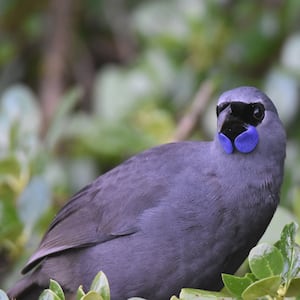
A conservation project led by local iwi in the Kaimai Mamaku Forest has achieved a significant milestone: zero rat activity across more than 700 hectares of native bush. This remarkable outcome stands to benefit various species of native wildlife, particularly the North Island kōkako, which may see enhanced breeding success as a result.
The North Island kōkako is a distinctive bird known for its slate-grey plumage and striking blue wattles beneath its beak. Renowned for its ability to sing for over an hour, it holds the title for the longest duet of any songbird globally. Unfortunately, predation from introduced species and the decline of forest canopy quality had pushed this treasured taonga toward extinction at the turn of the century.
Conservation Efforts Yield Positive Results
The successful eradication of rats from this expansive area signifies a crucial step for the survival of the North Island kōkako. According to the project leaders, the absence of these predators creates a more secure environment for the native birds to breed.
Local iwi have been actively involved in this conservation initiative, demonstrating a deep commitment to restoring the natural habitat. Their efforts reflect a growing trend in indigenous-led conservation projects, which are increasingly recognized for their effectiveness in preserving biodiversity.
The Kaimai Mamaku Forest, located north of Rotorua, is a vital ecosystem that supports a range of native flora and fauna. The reduction of rat populations in this area not only aids the kōkako but also enhances the overall health of the forest. As a result, other native species are likely to benefit from the improved conditions.
Challenges Ahead for Native Species
Despite the positive developments, challenges remain. The North Island kōkako population has faced numerous threats over the years, and ongoing monitoring is essential to ensure the species does not slip back toward the brink of extinction. Conservationists caution that continued vigilance is necessary to maintain the success achieved so far.
The project exemplifies the potential for community-led initiatives to effect real change in conservation efforts. By focusing on restoring native ecosystems, the iwi-led initiative emphasizes the importance of collaboration between local communities and conservation organizations.
As the breeding season approaches, the hopes for the North Island kōkako soar. With a safer environment, these remarkable birds may finally have the chance to thrive once more in their natural habitat. The successful eradication of rats in the Kaimai Mamaku Forest stands as a beacon of hope for conservationists and nature enthusiasts alike, showcasing the impact of dedicated community efforts on the future of endangered species.













New $25 Million Funding Boosts Hospital Capacity Ahead of Winter

Discover Sleep Space’s Affordable Bach Bed Packages Today

Jury Dismissed in Sexual Assault Trial Over Misguided Questions

Wellington’s New Gallery Unveils Community-Driven Art Exhibition

All Whites Face Challenges as Injuries Strike Before World Cup

Heroic Bystander Rescues Swimmers from Dangerous Surf in Napier

Nina Oyama Returns to Crime Comedy in Deadloch Season 2

China Southern Airlines Offers Reliable Journey from Auckland to Vietnam

Nina Oyama Returns to Deadloch for Anticipated Season 2

Community Mourns Teens Lost in Mount Maunganui Landslide

Tributes Pour In for Lachlan Rofe, Reality Star, Dead at 47

Private Funeral Held for Dean Field and His Three Children

Funeral Planned for Field Siblings After Tragic House Fire

Netball New Zealand Stands Down Dame Noeline Taurua for Series

Julian Dennison Ties the Knot with Christian Baledrokadroka in New Zealand

Auckland’s Average Rent Surpasses $700 for Three-Bedroom Homes

Al Waha Motors Opens Flagship Jetour Showroom in Al Khor

New Research Reveals Simple Path to Enhanced Happiness
-
 Top Stories6 months ago
Community Mourns Teens Lost in Mount Maunganui Landslide
-
 Entertainment11 months ago
Tributes Pour In for Lachlan Rofe, Reality Star, Dead at 47
-
 World8 months ago
Private Funeral Held for Dean Field and His Three Children
-
 Top Stories8 months ago
Funeral Planned for Field Siblings After Tragic House Fire
-
 Sports11 months ago
Netball New Zealand Stands Down Dame Noeline Taurua for Series
-
 Entertainment6 months ago
Julian Dennison Ties the Knot with Christian Baledrokadroka in New Zealand
-
 Business7 months ago
Auckland’s Average Rent Surpasses $700 for Three-Bedroom Homes
-
 Health6 months ago
Al Waha Motors Opens Flagship Jetour Showroom in Al Khor
-
 Science9 months ago
New Research Reveals Simple Path to Enhanced Happiness
-

 Entertainment10 months ago
New ‘Maverick’ Chaser Joins Beat the Chasers Season Finale
-

 Lifestyle10 months ago
Maia Wilson Faces Backlash Following Taurua’s Suspension
-

 Sports9 months ago
All Blacks Star Damian McKenzie and Partner Announce Baby News