
World
Rethinking Warm-Ups: New Insights on Effective Pre-Exercise Practices

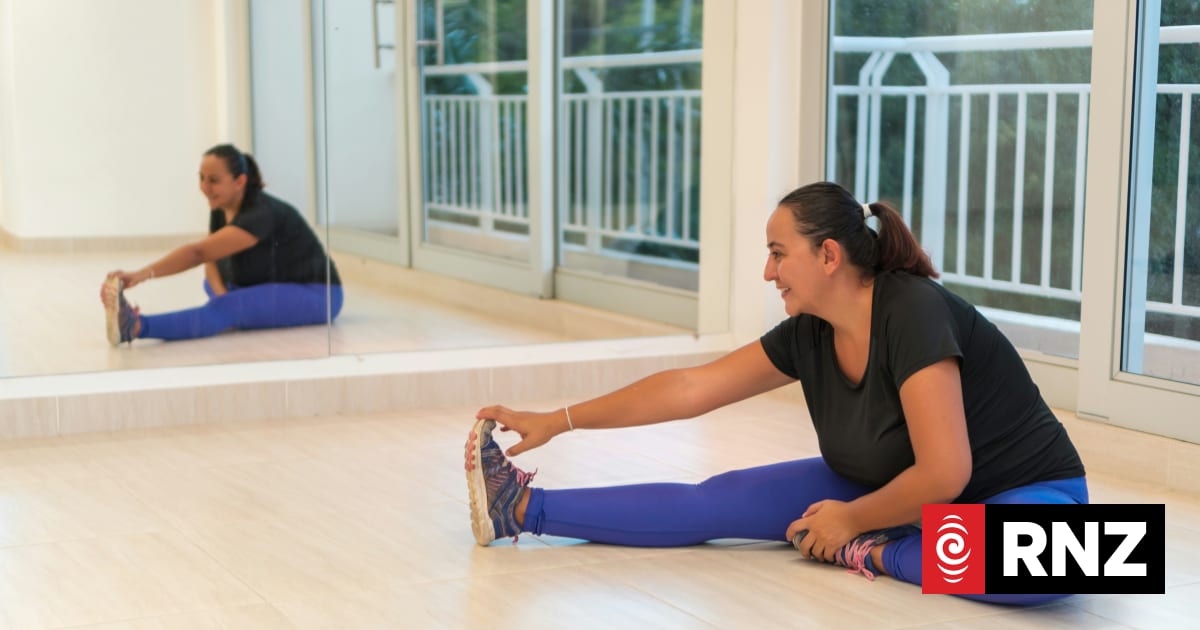
Research is reshaping how athletes and fitness enthusiasts approach their warm-up routines. Dr. Paul Marshall, a sports and rehabilitation research fellow at the University of Auckland, advocates for a more active form of warm-up, emphasizing that traditional static stretching may not be beneficial.
Instead of engaging in prolonged stretches, Marshall recommends a dynamic warm-up that includes activities relevant to the sport. For instance, when preparing for a tennis match, he prefers to play tennis. “I personally spend 20 to 30 minutes in the activity with a graded increase in activity so it starts quite light with small movement, progressing forward,” he explains. This method not only reduces the risk of injury but also primes performance.
Historically, the fitness community embraced static stretching as part of warm-up routines, particularly during the 1980s. Kirsten Davie, president of Physiotherapy New Zealand, recalls the earlier practices where individuals were encouraged to stretch before physical activity. “Now we would be looking to walk around, get the blood flowing before you go out for a run,” she notes. Static stretching, which involves holding a position for 20 to 30 seconds, is now advised against in favor of activities that gradually increase heart rate and muscle temperature.
Research from the past two decades supports this shift in perspective. Marshall highlights that an increase of just one degree Celsius in muscle temperature can enhance performance by approximately 10 percent. “The way we can increase the temperature of a muscle is what you see in warm-ups, like rhythmic, continuous activities,” he adds. This might include jogging or doing sport-specific drills that prepare the body for the upcoming exertion.
In the context of gym workouts, the philosophy remains consistent. Personal trainer Brittany McNabb from Auckland emphasizes the importance of priming the body for movement. “When a client is warming up, I always remind them that what we’re doing at the start of the session is actually priming the body for movement,” she states. Controlled bodyweight exercises, such as squats, can effectively prepare muscles for more intensive workouts.
The recommendation is clear: static stretching should be reserved for after workouts. Marshall and Davie suggest that incorporating stretching into a post-exercise routine can aid in recovery. Activities like Pilates, yoga, or tai chi can also be beneficial, as these practices focus on flexibility and relaxation. Marshall notes, “Passive stretching is actually fantastic to do after exercise to reduce that soreness.”
While stretching can sometimes be framed negatively, Davie offers a more nuanced perspective. “I wouldn’t say stretching damages muscles unless you overdo it,” she clarifies. Stretching should be approached with caution, particularly when muscles are cold or when individuals push their limits too far.
The evolution of warm-up practices has been informed by extensive research, including the development of the FIFA 11+ warm-up programme. This initiative has demonstrated a reduction in injuries by more than 30 percent. The programme incorporates slow running, followed by strength, balance, and plyometric exercises, culminating in higher-speed running activities. Research suggests that flexibility in the timing of these exercises—before or after play—can enhance compliance among athletes and coaches.
Despite the lack of a singular authoritative guideline on warm-ups, Marshall encourages athletes and fitness practitioners to explore resources available on the ACC website. These resources provide evidence-based, sport-specific warm-up ideas that can enhance performance while potentially decreasing injury risk.
As warm-up strategies continue to evolve, the emphasis on activity-based preparation signals a significant shift in the fitness landscape. By prioritizing movement over static holds, athletes can better prepare themselves for peak performance while reducing the likelihood of injury.







Israeli Strikes Kill 31 in Lebanon, Escalating Regional Conflict

Waikaka Gold Mine Approved for Operation Near Gore

Heather du Plessis-Allan Drive Podcast Highlights Key Issues

Young Detective Sophie Moore Loses Battle with Rare Cancer

Otago Classics Day Showcases Fashion and Talent Ahead of Champions Day

Iranian Expat Celebrates Khamenei’s Death Amid U.S.-Israel Strikes

Physicist Brian Cox Launches ‘Emergence’ World Tour in June

Auckland’s Lagoon Edge Skatepark Transformed into Skater Haven

Explosions Rock Dubai as Auckland Students Await Flight Home

Community Mourns Teens Lost in Mount Maunganui Landslide

Tributes Pour In for Lachlan Rofe, Reality Star, Dead at 47

Private Funeral Held for Dean Field and His Three Children

Funeral Planned for Field Siblings After Tragic House Fire

Netball New Zealand Stands Down Dame Noeline Taurua for Series

Julian Dennison Ties the Knot with Christian Baledrokadroka in New Zealand

New ‘Maverick’ Chaser Joins Beat the Chasers Season Finale

Silver Ferns Legend Laura Langman Criticizes Team’s Attitude

Eli Katoa Rushed to Hospital After Sideline Incident During Match
-
 Top Stories1 month ago
Community Mourns Teens Lost in Mount Maunganui Landslide
-
 Entertainment6 months ago
Tributes Pour In for Lachlan Rofe, Reality Star, Dead at 47
-
 World3 months ago
Private Funeral Held for Dean Field and His Three Children
-
 Top Stories3 months ago
Funeral Planned for Field Siblings After Tragic House Fire
-
 Sports6 months ago
Netball New Zealand Stands Down Dame Noeline Taurua for Series
-
 Entertainment1 month ago
Julian Dennison Ties the Knot with Christian Baledrokadroka in New Zealand
-
 Entertainment5 months ago
New ‘Maverick’ Chaser Joins Beat the Chasers Season Finale
-
 Sports6 months ago
Silver Ferns Legend Laura Langman Criticizes Team’s Attitude
-
 Sports4 months ago
Eli Katoa Rushed to Hospital After Sideline Incident During Match
-

 Sports4 months ago
All Blacks Star Damian McKenzie and Partner Announce Baby News
-

 Sports3 months ago
Nathan Williamson’s Condition Improves Following Race Fall
-

 Politics5 months ago
Netball NZ Calls for Respect Amid Dame Taurua’s Standoff