
Science
Scientists Transform Skin Cells into Fertilizable Human Eggs

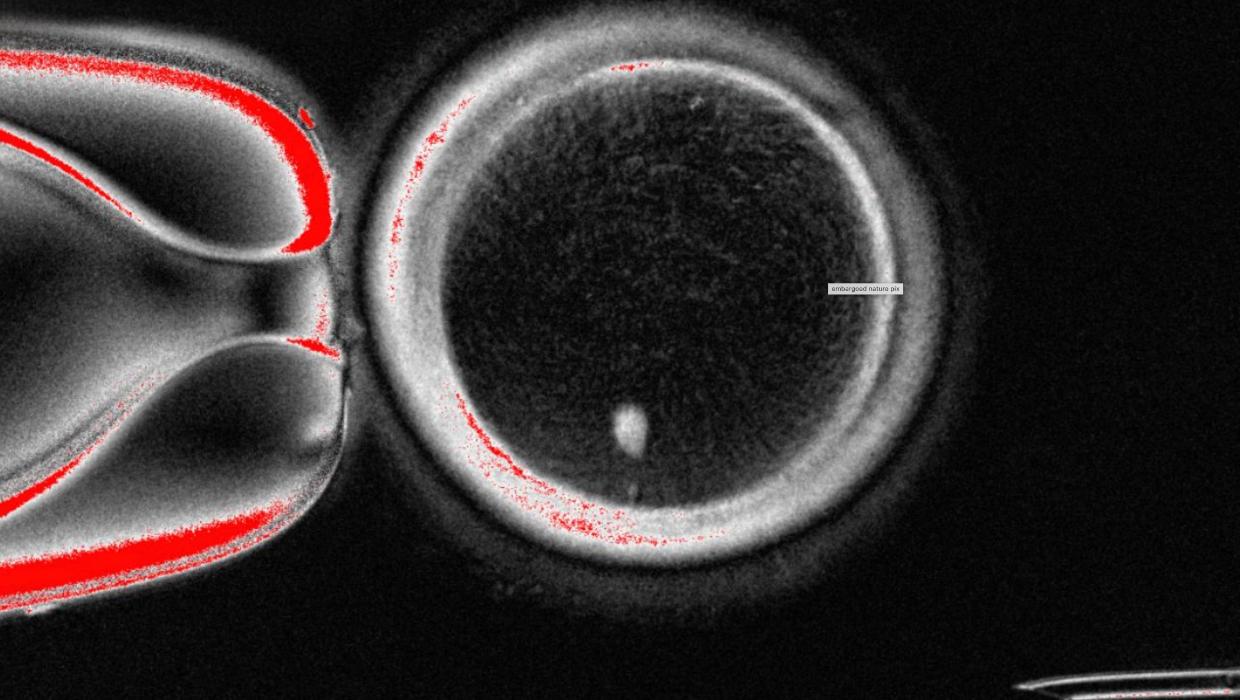
Groundbreaking research from US scientists has achieved a significant milestone in reproductive biology by transforming human skin cells into fertilizable human eggs. This innovative approach could pave the way for developing lab-grown eggs and sperm, potentially aiding individuals struggling with infertility.
The study, published in a leading scientific journal, highlights the potential of using skin cells to create gametes. By reprogramming these cells, researchers aim to produce viable eggs that can be fertilized, offering hope to those facing challenges in natural conception.
Advancements in Reproductive Technology
According to a team at the Massachusetts Institute of Technology (MIT), the successful conversion of skin cells into eggs marks a substantial advancement in reproductive technology. The process involves intricate cellular reprogramming techniques that allow researchers to manipulate the genetic material within skin cells, effectively generating the necessary components for egg formation.
This research is part of an ongoing effort to explore alternative methods of conception. The ability to produce lab-grown eggs and sperm could significantly impact assisted reproductive technologies, providing new options for individuals and couples experiencing infertility.
The potential applications of this research extend beyond creating fertilizable eggs. Scientists believe that lab-grown gametes could also play a role in addressing genetic disorders, enabling parents to have children without passing on hereditary conditions.
Future Implications and Ethical Considerations
While the findings are promising, they also raise important ethical questions surrounding the creation and use of lab-grown human gametes. As scientists continue to explore this field, discussions about the implications of artificial reproduction will become increasingly relevant.
Experts emphasize the need for robust ethical frameworks to guide research and application in this area. Ensuring that these technologies are used responsibly and with respect for human dignity will be critical as advancements continue to unfold.
The research team is optimistic about future developments and is currently exploring the feasibility of transitioning from laboratory experiments to clinical applications. If successful, this could revolutionize fertility treatments, making them more accessible and effective for a wider range of individuals.
In summary, the transformation of skin cells into fertilizable human eggs represents a significant step forward in reproductive science. As researchers continue to investigate the potential of lab-grown gametes, the future of conception may hold new possibilities for those looking to expand their families.













New $25 Million Funding Boosts Hospital Capacity Ahead of Winter

Discover Sleep Space’s Affordable Bach Bed Packages Today

Jury Dismissed in Sexual Assault Trial Over Misguided Questions

Wellington’s New Gallery Unveils Community-Driven Art Exhibition

All Whites Face Challenges as Injuries Strike Before World Cup

Heroic Bystander Rescues Swimmers from Dangerous Surf in Napier

Nina Oyama Returns to Crime Comedy in Deadloch Season 2

China Southern Airlines Offers Reliable Journey from Auckland to Vietnam

Nina Oyama Returns to Deadloch for Anticipated Season 2

Community Mourns Teens Lost in Mount Maunganui Landslide

Tributes Pour In for Lachlan Rofe, Reality Star, Dead at 47

Private Funeral Held for Dean Field and His Three Children

Funeral Planned for Field Siblings After Tragic House Fire

Netball New Zealand Stands Down Dame Noeline Taurua for Series

Al Waha Motors Opens Flagship Jetour Showroom in Al Khor

Julian Dennison Ties the Knot with Christian Baledrokadroka in New Zealand

Auckland’s Average Rent Surpasses $700 for Three-Bedroom Homes

New Research Reveals Simple Path to Enhanced Happiness
-
 Top Stories7 months ago
Community Mourns Teens Lost in Mount Maunganui Landslide
-
 Entertainment11 months ago
Tributes Pour In for Lachlan Rofe, Reality Star, Dead at 47
-
 World9 months ago
Private Funeral Held for Dean Field and His Three Children
-
 Top Stories9 months ago
Funeral Planned for Field Siblings After Tragic House Fire
-
 Sports11 months ago
Netball New Zealand Stands Down Dame Noeline Taurua for Series
-
 Health7 months ago
Al Waha Motors Opens Flagship Jetour Showroom in Al Khor
-
 Entertainment7 months ago
Julian Dennison Ties the Knot with Christian Baledrokadroka in New Zealand
-
 Business7 months ago
Auckland’s Average Rent Surpasses $700 for Three-Bedroom Homes
-
 Science10 months ago
New Research Reveals Simple Path to Enhanced Happiness
-

 Entertainment10 months ago
New ‘Maverick’ Chaser Joins Beat the Chasers Season Finale
-

 Lifestyle11 months ago
Maia Wilson Faces Backlash Following Taurua’s Suspension
-

 Sports10 months ago
All Blacks Star Damian McKenzie and Partner Announce Baby News