
Politics
Nicola Willis and Ruth Richardson Set for High-Stakes Debate

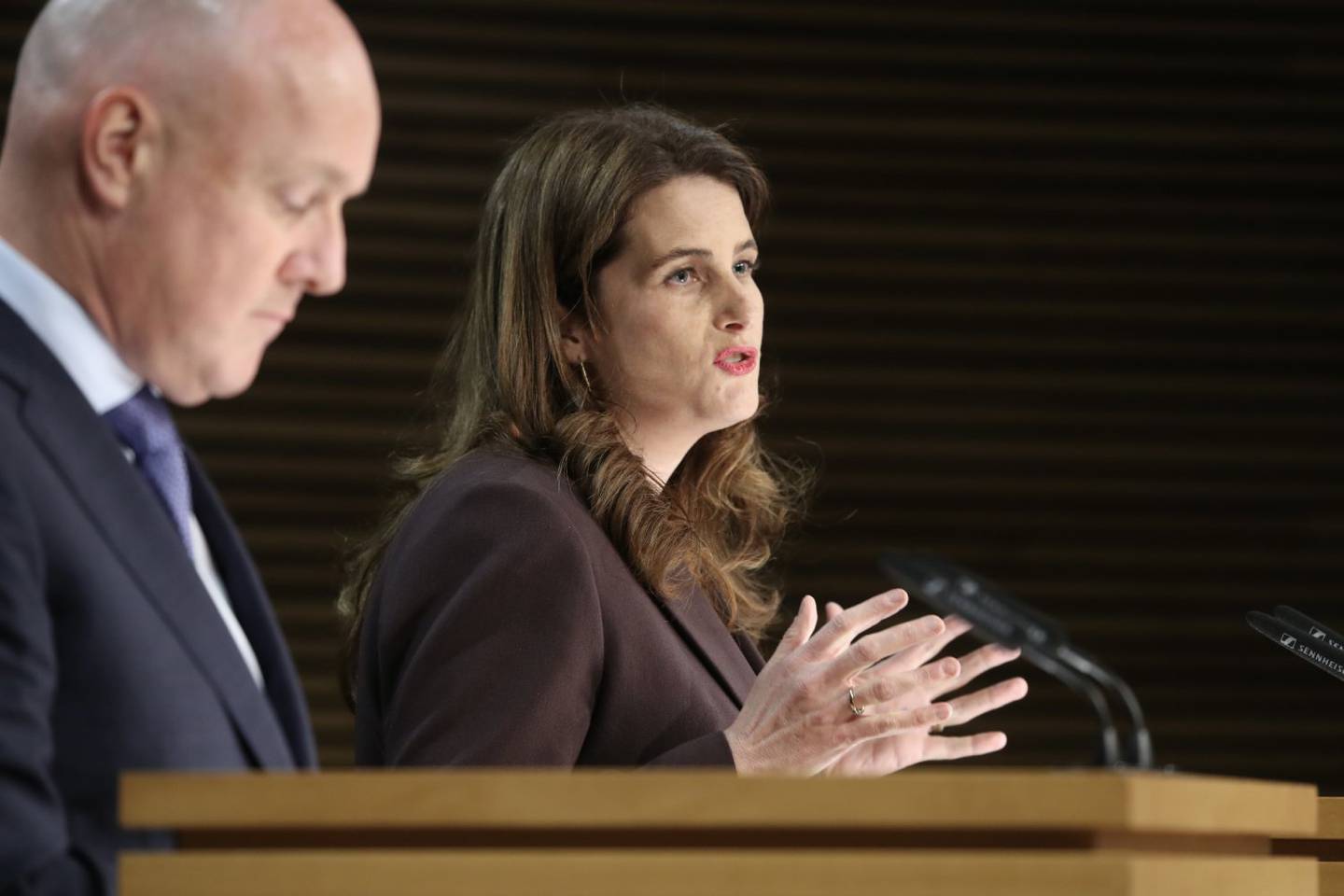
The anticipated debate between New Zealand’s current Finance Minister, Nicola Willis, and former Minister Ruth Richardson is set to take place following the release of the Half Year Economic and Fiscal Update (HYEFU). This showdown, scheduled for next week, has stirred significant interest, particularly as both politicians express dissatisfaction with each other’s approaches to the country’s economic challenges.
New Zealand is grappling with a structural deficit, which remains unaddressed, and forecasts indicate that the anticipated budget surplus may be delayed until 2030. The debate not only highlights differences in economic strategy but also raises questions about credibility within the political arena.
Understanding the Stakes of the Debate
The optics of a debate between a current finance leader and one from over 30 years ago may seem unusual. Yet, Richardson holds considerable credibility among conservative circles. While some on the left criticize her for the long-term impacts of her fiscal policies, there is recognition of the economic recovery that followed her tenure. This debate presents an opportunity for Willis to confront criticisms directly and solidify her position as she seeks to build her own credibility in a challenging economic climate.
Spending has surged under Willis‘s leadership, surpassing levels seen during the administration of her predecessor, Grant Robinson. Economic growth has been described as “anaemic,” prompting concerns about the sustainability of current spending levels. Engaging with Richardson allows Willis to address these challenges head-on, potentially quelling doubts about her fiscal stewardship.
Strategic Implications for Willis
This debate may also serve a more strategic purpose for Willis. By facing off against a prominent figure from the right, she positions herself as a centrist, seeking to distance her policies from accusations of being overly stringent or “Scrooge-like.” Her argument is likely to emphasize continued spending and the risks associated with potential cuts, which she frames as detrimental to job growth and economic stability.
In this context, the economic narrative shifts, framing the debate as one between the right and an even more fiscally conservative viewpoint, thereby marginalizing the left. This strategy not only allows Willis to consolidate her stance but also positions her as a defender of essential public spending, countering the criticisms that could arise from a more extreme fiscal approach.
As the debate approaches, the political landscape in New Zealand remains charged. The outcome may significantly influence public perception and party dynamics as both politicians aim to assert their influence in shaping the nation’s economic future.








New $25 Million Funding Boosts Hospital Capacity Ahead of Winter

Discover Sleep Space’s Affordable Bach Bed Packages Today

Jury Dismissed in Sexual Assault Trial Over Misguided Questions

Wellington’s New Gallery Unveils Community-Driven Art Exhibition

All Whites Face Challenges as Injuries Strike Before World Cup

Heroic Bystander Rescues Swimmers from Dangerous Surf in Napier

Nina Oyama Returns to Crime Comedy in Deadloch Season 2

China Southern Airlines Offers Reliable Journey from Auckland to Vietnam

Nina Oyama Returns to Deadloch for Anticipated Season 2

Community Mourns Teens Lost in Mount Maunganui Landslide

Tributes Pour In for Lachlan Rofe, Reality Star, Dead at 47

Private Funeral Held for Dean Field and His Three Children

Funeral Planned for Field Siblings After Tragic House Fire

Netball New Zealand Stands Down Dame Noeline Taurua for Series

Al Waha Motors Opens Flagship Jetour Showroom in Al Khor

Julian Dennison Ties the Knot with Christian Baledrokadroka in New Zealand

Auckland’s Average Rent Surpasses $700 for Three-Bedroom Homes

New Research Reveals Simple Path to Enhanced Happiness
-
 Top Stories7 months ago
Community Mourns Teens Lost in Mount Maunganui Landslide
-
 Entertainment11 months ago
Tributes Pour In for Lachlan Rofe, Reality Star, Dead at 47
-
 World9 months ago
Private Funeral Held for Dean Field and His Three Children
-
 Top Stories9 months ago
Funeral Planned for Field Siblings After Tragic House Fire
-
 Sports11 months ago
Netball New Zealand Stands Down Dame Noeline Taurua for Series
-
 Health7 months ago
Al Waha Motors Opens Flagship Jetour Showroom in Al Khor
-
 Entertainment7 months ago
Julian Dennison Ties the Knot with Christian Baledrokadroka in New Zealand
-
 Business7 months ago
Auckland’s Average Rent Surpasses $700 for Three-Bedroom Homes
-
 Science10 months ago
New Research Reveals Simple Path to Enhanced Happiness
-

 Entertainment10 months ago
New ‘Maverick’ Chaser Joins Beat the Chasers Season Finale
-

 Lifestyle11 months ago
Maia Wilson Faces Backlash Following Taurua’s Suspension
-

 Sports10 months ago
All Blacks Star Damian McKenzie and Partner Announce Baby News