
Health
New Zealanders Seek Private Surgery as Public Waitlists Surge

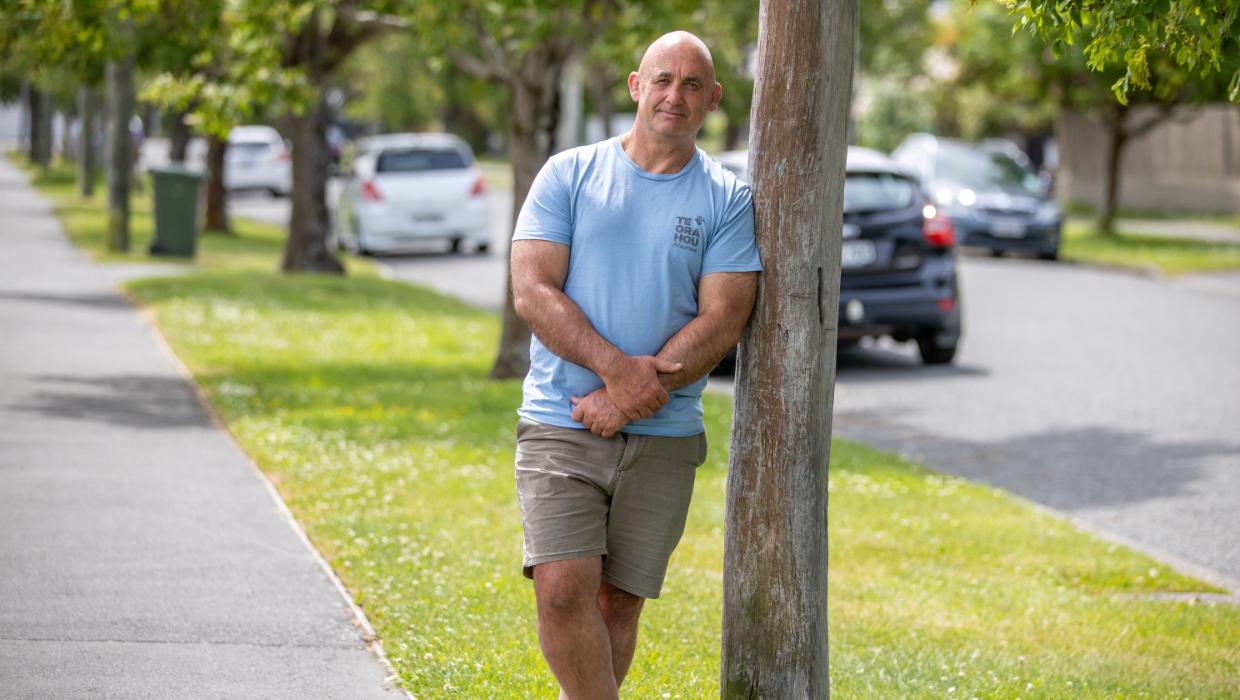
The increasing wait times for public healthcare in New Zealand are prompting more patients to seek private surgical options. In a striking example, Jono Campbell, a 52-year-old resident, turned to the private sector for a hip replacement after facing significant delays within the public system. His experience reflects a broader trend as many New Zealanders confront lengthy waitlists for essential healthcare services.
Campbell’s journey began with a diagnosis of Perthes disease as a child, a condition that ultimately led to his need for hip replacement surgery. After years of dealing with pain and mobility issues, Campbell was placed on a waitlist for his surgery. He felt a wave of relief, only to be disheartened moments later when he learned that further specialist input was required before he could officially join the list. “My heart just sank. I was gutted,” he recalled, realizing that delays could stretch for months or even years.
Frustrated by the lack of progress, Campbell opted for private surgery. He had undergone spinal fusion surgery covered by his private health insurance in 2021, which cleared the way for his hip replacement. However, he faced another setback when he was once again declined a place on the waitlist. The cost of private surgery, estimated at over $30,000, was beyond his financial reach. Fortunately, a generous donation allowed him to proceed with the surgery in November 2022, a decision he describes as “life-changing.”
Rising Demand for Private Procedures
Campbell’s case is not unique. Health insurers are reporting a significant rise in self-funded health procedures across New Zealand. According to Chris White, chief executive of Southern Cross Healthcare, there has been a “notable increase in self-paid elective surgical procedures” in recent years. This surge follows a backlog created during the COVID-19 pandemic and reflects growing public concern over lengthy hospital waiting lists.
The health group’s analysis indicated that the five most common self-funded procedures over the past three years included cataract surgery, colonoscopies, hip replacements, gastroscopies, and knee replacements. While this trend suggests a shift towards private healthcare, data from Health New Zealand reveals that the number of publicly funded procedures has remained relatively stable over the past five fiscal years. An average of nearly 66,000 colonoscopies, 46,000 gastroscopies, and just over 6,000 hip replacements have been performed annually.
Comparing Public and Private Healthcare
The question remains whether the rise in private procedures is displacing those typically conducted in public hospitals. Data indicates that while some surgeries, such as cataract and knee replacements, have seen an increase in public funding, the overall numbers for other procedures have not drastically changed. For instance, publicly funded cataract surgeries rose from nearly 18,000 in the 2019/2020 fiscal year to 24,000 in 2023/2024.
In contrast, private healthcare providers such as Evolution Healthcare and Allevia Health have not disclosed specific data regarding the number of procedures performed. The New Zealand Private Surgical Hospitals Association (NZPSHA) reported over 230,000 surgical discharges in 2024/2025, accounting for two-thirds of all elective surgeries and marking a 3.5% increase from the previous year. Most of these surgeries were funded by health insurers (48%), followed by accident compensation (17%) and Health New Zealand (13%).
While some healthcare providers have observed an uptick in self-funded patients, definitive data on this trend remains elusive. Chris Roberts, chief executive of NZPSHA, noted the lack of comprehensive information on self-funding, yet he acknowledged a steady increase in demand over the years. Since 2017/2018, the volume of surgical discharges has surged by almost 30%.
Dr. Phil Bagshaw, founder of Canterbury Charity Hospital, highlighted a growing number of patients seeking procedures that have been declined or excessively delayed in the public system. He noted that the charity hospital serves patients who have received referrals but face unrealistic wait times in the public sector.
The need for comprehensive data on the public and private healthcare systems in New Zealand has become increasingly urgent. Health Minister Simeon Brown stated that Health New Zealand is responsible for developing and advising on healthcare data. He emphasized his commitment to ensuring that all New Zealanders have access to timely and quality healthcare.
As the demand for private surgical options continues to grow, many New Zealanders face a challenging healthcare landscape marked by long waitlists and limited resources. The experiences of individuals like Jono Campbell underscore the pressing need for a more efficient and accessible healthcare system that can meet the needs of all citizens.










New $25 Million Funding Boosts Hospital Capacity Ahead of Winter

Discover Sleep Space’s Affordable Bach Bed Packages Today

Jury Dismissed in Sexual Assault Trial Over Misguided Questions

Wellington’s New Gallery Unveils Community-Driven Art Exhibition

All Whites Face Challenges as Injuries Strike Before World Cup

Heroic Bystander Rescues Swimmers from Dangerous Surf in Napier

Nina Oyama Returns to Crime Comedy in Deadloch Season 2

China Southern Airlines Offers Reliable Journey from Auckland to Vietnam

Nina Oyama Returns to Deadloch for Anticipated Season 2

Community Mourns Teens Lost in Mount Maunganui Landslide

Tributes Pour In for Lachlan Rofe, Reality Star, Dead at 47

Private Funeral Held for Dean Field and His Three Children

Funeral Planned for Field Siblings After Tragic House Fire

Netball New Zealand Stands Down Dame Noeline Taurua for Series

Julian Dennison Ties the Knot with Christian Baledrokadroka in New Zealand

Auckland’s Average Rent Surpasses $700 for Three-Bedroom Homes

Al Waha Motors Opens Flagship Jetour Showroom in Al Khor

New Research Reveals Simple Path to Enhanced Happiness
-
 Top Stories6 months ago
Community Mourns Teens Lost in Mount Maunganui Landslide
-
 Entertainment11 months ago
Tributes Pour In for Lachlan Rofe, Reality Star, Dead at 47
-
 World8 months ago
Private Funeral Held for Dean Field and His Three Children
-
 Top Stories8 months ago
Funeral Planned for Field Siblings After Tragic House Fire
-
 Sports11 months ago
Netball New Zealand Stands Down Dame Noeline Taurua for Series
-
 Entertainment6 months ago
Julian Dennison Ties the Knot with Christian Baledrokadroka in New Zealand
-
 Business7 months ago
Auckland’s Average Rent Surpasses $700 for Three-Bedroom Homes
-
 Health6 months ago
Al Waha Motors Opens Flagship Jetour Showroom in Al Khor
-
 Science9 months ago
New Research Reveals Simple Path to Enhanced Happiness
-

 Entertainment10 months ago
New ‘Maverick’ Chaser Joins Beat the Chasers Season Finale
-

 Lifestyle10 months ago
Maia Wilson Faces Backlash Following Taurua’s Suspension
-

 Sports9 months ago
All Blacks Star Damian McKenzie and Partner Announce Baby News