
World
US Military Initiates Environmental Review for Mariana Islands Training

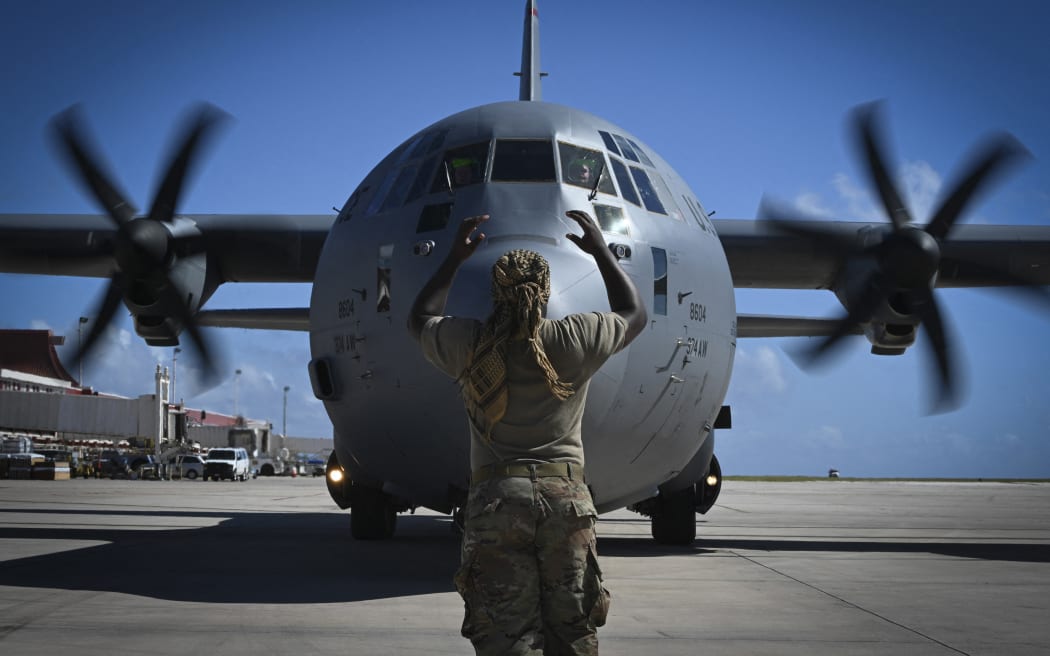
The United States military has launched a formal environmental review process for the continuation of large-scale training and testing activities in the waters surrounding the Northern Mariana Islands and on Farallon de Medinilla. This initiative, led by the Department of the Navy and involving the US Navy, US Marine Corps, US Air Force, US Army, and US Coast Guard, aims to assess the environmental impact of the Mariana Islands Training and Testing (MITT) programme.
The draft Supplemental Environmental Impact Statement/Overseas Environmental Impact Statement outlines proposals for military readiness activities that would continue both at sea and on Farallon de Medinilla, an uninhabited island north of Saipan used as a live-fire training range. The activities assessed include joint military training exercises, weapons testing, research and development, and range modernisation.
Scope of the Environmental Review
The draft document indicates that at-sea operations will occur within the Mariana Islands Range Complex, as well as in additional high seas areas located north and west of this complex and in nearshore waters of Guam and the Commonwealth of the Northern Mariana Islands. The study area remains unchanged from the previous review conducted in 2020. Notably, land-based activities previously evaluated on Guam, Saipan, Tinian, and Rota are not being reconsidered in this supplement. Instead, the updated analysis focuses on marine activities and operations on Farallon de Medinilla.
The review assesses potential impacts on various marine species, including marine mammals, sea turtles, seabirds, and fish, as well as marine habitats. It also considers cultural resources and socioeconomic factors such as fishing and shipping. Key stressors examined include sonar, explosives, and vessel activity. According to the Navy’s modelling, most effects on marine mammals are expected to be temporary changes in behavior, with a small number of injuries projected annually due to explosive use. Importantly, the analysis predicts no population-level impacts or mortalities among marine species.
Alternatives and Public Participation
The review evaluates three alternatives for military activities. The first is a no-action alternative, which would halt strike warfare training on Farallon de Medinilla. The second is the preferred alternative, reflecting a representative year of training activity. The third alternative assumes maximum projected activity annually over a span of seven years.
The notice of intent to prepare the supplemental environmental review was issued on June 7, 2025, followed by a scoping and Section 106 consultation period that lasted until July 22, 2025. The draft document was made public on March 2, 2026, initiating a public review and comment period that is set to conclude on May 1, 2026. The final environmental impact statement is scheduled for release in February 2027, with a record of decision expected by mid-2027.
This environmental review process marks an important step in balancing military readiness with environmental stewardship in a region that holds significant ecological and cultural value. As the public review period progresses, stakeholders, including local communities and environmental groups, are encouraged to share their perspectives on the proposed activities and their potential impacts.












New $25 Million Funding Boosts Hospital Capacity Ahead of Winter

Discover Sleep Space’s Affordable Bach Bed Packages Today

Jury Dismissed in Sexual Assault Trial Over Misguided Questions

Wellington’s New Gallery Unveils Community-Driven Art Exhibition

All Whites Face Challenges as Injuries Strike Before World Cup

Heroic Bystander Rescues Swimmers from Dangerous Surf in Napier

Nina Oyama Returns to Crime Comedy in Deadloch Season 2

China Southern Airlines Offers Reliable Journey from Auckland to Vietnam

Nina Oyama Returns to Deadloch for Anticipated Season 2

Community Mourns Teens Lost in Mount Maunganui Landslide

Tributes Pour In for Lachlan Rofe, Reality Star, Dead at 47

Private Funeral Held for Dean Field and His Three Children

Funeral Planned for Field Siblings After Tragic House Fire

Netball New Zealand Stands Down Dame Noeline Taurua for Series

Al Waha Motors Opens Flagship Jetour Showroom in Al Khor

Julian Dennison Ties the Knot with Christian Baledrokadroka in New Zealand

Auckland’s Average Rent Surpasses $700 for Three-Bedroom Homes

New Research Reveals Simple Path to Enhanced Happiness
-
 Top Stories7 months ago
Community Mourns Teens Lost in Mount Maunganui Landslide
-
 Entertainment11 months ago
Tributes Pour In for Lachlan Rofe, Reality Star, Dead at 47
-
 World9 months ago
Private Funeral Held for Dean Field and His Three Children
-
 Top Stories9 months ago
Funeral Planned for Field Siblings After Tragic House Fire
-
 Sports11 months ago
Netball New Zealand Stands Down Dame Noeline Taurua for Series
-
 Health7 months ago
Al Waha Motors Opens Flagship Jetour Showroom in Al Khor
-
 Entertainment7 months ago
Julian Dennison Ties the Knot with Christian Baledrokadroka in New Zealand
-
 Business7 months ago
Auckland’s Average Rent Surpasses $700 for Three-Bedroom Homes
-
 Science10 months ago
New Research Reveals Simple Path to Enhanced Happiness
-

 Entertainment10 months ago
New ‘Maverick’ Chaser Joins Beat the Chasers Season Finale
-

 Lifestyle11 months ago
Maia Wilson Faces Backlash Following Taurua’s Suspension
-

 Sports10 months ago
All Blacks Star Damian McKenzie and Partner Announce Baby News