
Business
Mercedes Unveils AI-Powered Car with Nvidia Technology

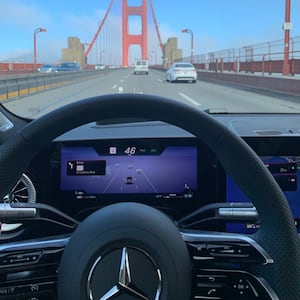
Mercedes-Benz has introduced an innovative vehicle powered by Nvidia’s advanced artificial intelligence technology, marking a significant step in the automotive industry. This new model aims to enhance the driving experience by integrating AI capabilities that promise to transform how drivers interact with their cars.
The collaboration between Mercedes-Benz and Nvidia is poised to create a substantial impact, with predictions suggesting that Nvidia’s automotive business could reach a value of $5 billion by 2025. This partnership underscores the growing trend of incorporating AI technology into vehicles, as manufacturers look to improve safety, efficiency, and user experience.
Revolutionizing the Driving Experience
The AI features in the new Mercedes-Benz model are designed to assist drivers in various ways. For instance, the system can analyze driving patterns and adjust vehicle settings accordingly, providing a more personalized experience. Additionally, the AI technology enhances navigation by offering real-time traffic updates and route optimization.
One of the standout features is the car’s ability to learn from the driver’s preferences. As drivers use the vehicle, the AI adapts to their habits and routines, potentially increasing convenience and comfort. This could significantly reduce the effort required for routine tasks, allowing drivers to focus on the road ahead.
Nvidia’s role in this partnership is crucial. The company is renowned for its expertise in AI and graphics processing, which are essential components in developing advanced automotive technologies. By leveraging Nvidia’s powerful computing solutions, Mercedes-Benz aims to create a smarter, safer vehicle that can respond to the dynamic conditions of the road.
Implications for the Automotive Industry
The introduction of AI-driven vehicles raises important questions about the future of driving and vehicle ownership. As technology continues to advance, traditional driving experiences may evolve into something more automated and intuitive. This shift could affect not just personal vehicles, but also public transportation and logistics, where AI can optimize routes and enhance passenger safety.
Moreover, the integration of such technologies could lead to new business models within the automotive sector. Companies may explore subscription services or on-demand transportation solutions, capitalizing on the capabilities of AI to provide tailored experiences for users.
As Mercedes-Benz leads the way with its Nvidia-powered car, the industry watches closely. This development not only showcases the potential of AI in transforming the driving experience but also highlights the competitive landscape among automakers eager to innovate.
The collaboration between these industry giants signals a future where cars are not just modes of transportation but also intelligent companions on the road. As the automotive world embraces these technologies, consumers can expect an exciting evolution in how they interact with their vehicles in the years to come.













New $25 Million Funding Boosts Hospital Capacity Ahead of Winter

Discover Sleep Space’s Affordable Bach Bed Packages Today

Jury Dismissed in Sexual Assault Trial Over Misguided Questions

Wellington’s New Gallery Unveils Community-Driven Art Exhibition

All Whites Face Challenges as Injuries Strike Before World Cup

Heroic Bystander Rescues Swimmers from Dangerous Surf in Napier

Nina Oyama Returns to Crime Comedy in Deadloch Season 2

China Southern Airlines Offers Reliable Journey from Auckland to Vietnam

Nina Oyama Returns to Deadloch for Anticipated Season 2

Community Mourns Teens Lost in Mount Maunganui Landslide

Tributes Pour In for Lachlan Rofe, Reality Star, Dead at 47

Private Funeral Held for Dean Field and His Three Children

Funeral Planned for Field Siblings After Tragic House Fire

Al Waha Motors Opens Flagship Jetour Showroom in Al Khor

Netball New Zealand Stands Down Dame Noeline Taurua for Series

Julian Dennison Ties the Knot with Christian Baledrokadroka in New Zealand

Auckland’s Average Rent Surpasses $700 for Three-Bedroom Homes

New Research Reveals Simple Path to Enhanced Happiness
-
 Top Stories7 months ago
Community Mourns Teens Lost in Mount Maunganui Landslide
-
 Entertainment11 months ago
Tributes Pour In for Lachlan Rofe, Reality Star, Dead at 47
-
 World9 months ago
Private Funeral Held for Dean Field and His Three Children
-
 Top Stories9 months ago
Funeral Planned for Field Siblings After Tragic House Fire
-
 Health7 months ago
Al Waha Motors Opens Flagship Jetour Showroom in Al Khor
-
 Sports11 months ago
Netball New Zealand Stands Down Dame Noeline Taurua for Series
-
 Entertainment7 months ago
Julian Dennison Ties the Knot with Christian Baledrokadroka in New Zealand
-
 Business8 months ago
Auckland’s Average Rent Surpasses $700 for Three-Bedroom Homes
-
 Science10 months ago
New Research Reveals Simple Path to Enhanced Happiness
-

 Entertainment10 months ago
New ‘Maverick’ Chaser Joins Beat the Chasers Season Finale
-

 Lifestyle11 months ago
Maia Wilson Faces Backlash Following Taurua’s Suspension
-

 Sports10 months ago
All Blacks Star Damian McKenzie and Partner Announce Baby News