
Business
Tekapo Defies Trends with Rising Accommodation Rates and Listings

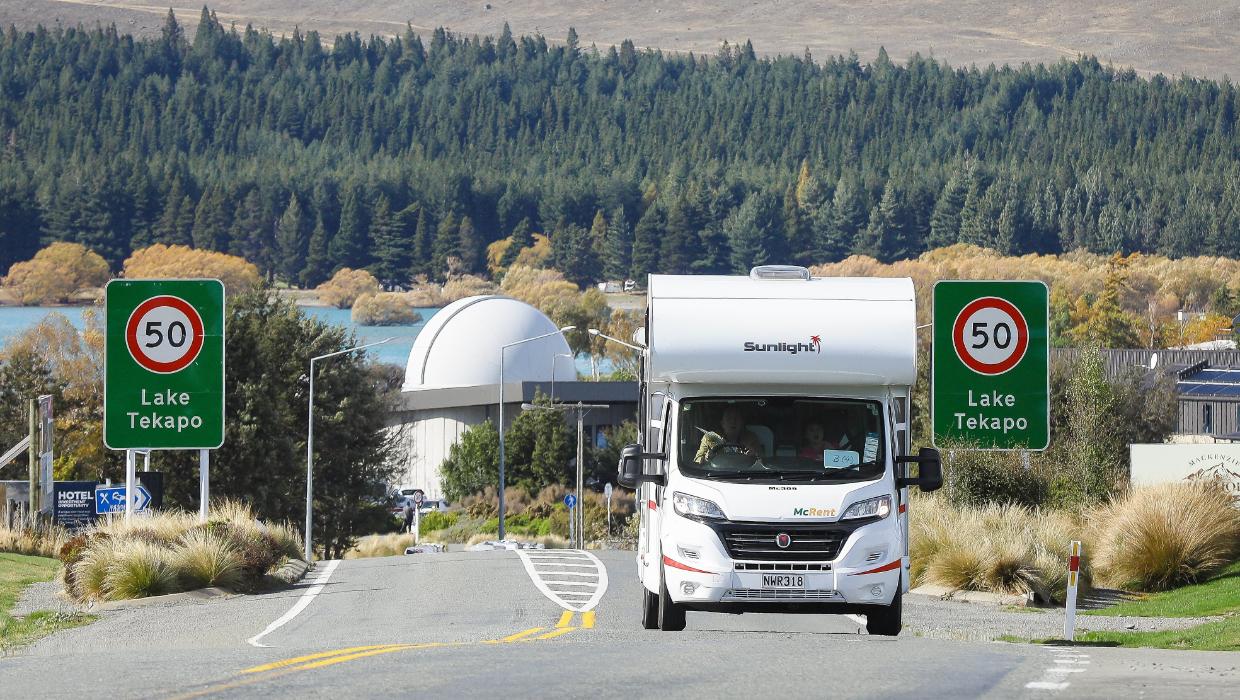
Short-term rental rates in New Zealand’s tourist destination of Tekapo have seen significant growth, contrasting with declining values in major cities like Auckland, Wellington, and Christchurch. According to data from AirDNA, Tekapo experienced an impressive 11% increase in average daily rates in 2025, reaching approximately $399 per night. This trend has contributed to a growing housing squeeze for local residents, as the number of available short-term rentals continues to outpace the local population.
While the average daily rates for Airbnb rentals in New Zealand’s largest cities fell last year, Tekapo’s average of 435 available listings outstripped the 315 families residing in the area, based on census data. The influx of visitors often exceeds the local population, making the region particularly appealing for short-term rentals. In comparison, major centers like Auckland and Christchurch saw average daily rental rates decrease, highlighting Tekapo’s unique position.
Local Impact of Rising Rental Costs
The rising accommodation costs have led to increased pressure on long-term housing availability in Tekapo. Scott Aronsen, the mayor of the Mackenzie District, noted that the high rental prices are contributing to a situation where long-term residents are finding it increasingly difficult to secure affordable housing. He cited examples of townhouses costing as much as $550 per week, while the government’s tenancy website indicates a median rent of $280 per week, with some properties reaching as high as $706 per week.
Aronsen stated, “The reality is, we’re running out of space, and running out of housing stock for long-term rentals.” This sentiment is echoed by the growing concern among local workers who are being priced out of the community as the demand for short-term rentals continues to rise.
The occupancy rate in Tekapo stands at an impressive 70%, the highest among competing holiday destinations. Comparatively, Wānaka averages $361 per night while Twizel averages $281. Notably, Tekapo has maintained a steady increase in available listings, unlike other tourist hotspots that experienced declines in 2022.
Comparative Trends in Major Cities
In contrast to Tekapo’s growth, major cities have faced a downturn in the short-term rental market. In Wellington, the average nightly rate fell to $188, marking a decline in both listings and occupancy rates. With an average occupancy rate of 53% in 2025, Wellington has become the only major center to end the year with fewer listings than in 2024.
Auckland and Christchurch also reported decreases in average rental rates, with Auckland’s average at $200 and Christchurch at $100. Both cities maintained occupancy rates around 59% and less than 2%, respectively, indicating a shift in the rental landscape.
Despite the challenges faced by other regions, Tekapo’s growth has been remarkable. The area not only led the way in increasing average daily rates but also saw the highest occupancy rate among holiday destinations. Queenstown, while the most expensive with an average of $513 per night, has also seen a growth in listings.
Aronsen pointed out that while the council acknowledges the contribution of short-term rentals to the local economy, the community is struggling to cope with the associated costs of servicing an influx of tourists. The annual cost of maintaining public facilities, for instance, amounts to approximately $800,000, a burden that could potentially be alleviated through a tourism levy. However, he noted that an estimated 40% to 50% of short-term rental operators are not registered or paying their share.
This situation is compounded by cases where properties consented as family homes are being used as multi-unit rentals, with individual rooms rented out as short-term accommodations. Developers are required to contribute funds for each unit they build, which could be used for infrastructure development and to offset rates for other residents. Aronsen estimates that the council has lost as much as $1 million due to developers avoiding these contributions.
As Tekapo continues to attract visitors and maintain high accommodation rates, local authorities face the pressing challenge of balancing the needs of residents with the demands of tourism. The ongoing dialogue surrounding rental prices and housing availability will be crucial in shaping the future of this picturesque South Island destination.








New $25 Million Funding Boosts Hospital Capacity Ahead of Winter

Discover Sleep Space’s Affordable Bach Bed Packages Today

Jury Dismissed in Sexual Assault Trial Over Misguided Questions

Wellington’s New Gallery Unveils Community-Driven Art Exhibition

All Whites Face Challenges as Injuries Strike Before World Cup

Heroic Bystander Rescues Swimmers from Dangerous Surf in Napier

Nina Oyama Returns to Crime Comedy in Deadloch Season 2

China Southern Airlines Offers Reliable Journey from Auckland to Vietnam

Nina Oyama Returns to Deadloch for Anticipated Season 2

Community Mourns Teens Lost in Mount Maunganui Landslide

Tributes Pour In for Lachlan Rofe, Reality Star, Dead at 47

Private Funeral Held for Dean Field and His Three Children

Funeral Planned for Field Siblings After Tragic House Fire

Al Waha Motors Opens Flagship Jetour Showroom in Al Khor

Netball New Zealand Stands Down Dame Noeline Taurua for Series

Julian Dennison Ties the Knot with Christian Baledrokadroka in New Zealand

Auckland’s Average Rent Surpasses $700 for Three-Bedroom Homes

New Research Reveals Simple Path to Enhanced Happiness
-
 Top Stories7 months ago
Community Mourns Teens Lost in Mount Maunganui Landslide
-
 Entertainment11 months ago
Tributes Pour In for Lachlan Rofe, Reality Star, Dead at 47
-
 World9 months ago
Private Funeral Held for Dean Field and His Three Children
-
 Top Stories9 months ago
Funeral Planned for Field Siblings After Tragic House Fire
-
 Health7 months ago
Al Waha Motors Opens Flagship Jetour Showroom in Al Khor
-
 Sports11 months ago
Netball New Zealand Stands Down Dame Noeline Taurua for Series
-
 Entertainment7 months ago
Julian Dennison Ties the Knot with Christian Baledrokadroka in New Zealand
-
 Business8 months ago
Auckland’s Average Rent Surpasses $700 for Three-Bedroom Homes
-
 Science10 months ago
New Research Reveals Simple Path to Enhanced Happiness
-

 Entertainment10 months ago
New ‘Maverick’ Chaser Joins Beat the Chasers Season Finale
-

 Lifestyle11 months ago
Maia Wilson Faces Backlash Following Taurua’s Suspension
-

 Sports10 months ago
All Blacks Star Damian McKenzie and Partner Announce Baby News