
Business
Trump Imposes 100% Tariff on Foreign Pharmaceuticals Starting October

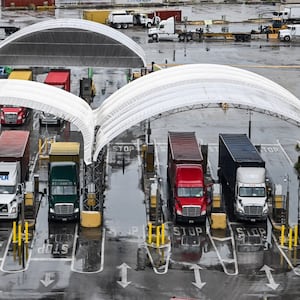
US President Donald Trump has announced a significant escalation in trade policy by imposing a 100% tariff on foreign pharmaceuticals starting October 1, 2023. This move, detailed in a post on his Truth Social platform, aims to incentivize pharmaceutical companies to establish manufacturing operations within the United States.
The announcement marks a revival of Trump’s global trade war, reflecting some of the most stringent measures since the implementation of reciprocal tariffs earlier this year. “We will be imposing a 100% Tariff on any branded or patented Pharmaceutical Product, unless a Company IS BUILDING their Pharmaceutical Manufacturing Plant in America,” Trump stated. This decision underscores his administration’s ongoing commitment to reshaping the landscape of American manufacturing and reducing dependency on foreign imports.
Impact on the Pharmaceutical Industry
The tariff affects a broad range of pharmaceutical products, targeting both large corporations and smaller foreign companies. The policy aims to bolster domestic production by making it economically challenging for foreign manufacturers to sell their products in the US market without a physical manufacturing presence. This could prompt companies to reevaluate their supply chains and consider relocating operations to the United States.
In a separate post, Trump also announced a 25% tariff on all heavy trucks manufactured overseas, including those from major international brands such as Volvo and Daimler. This tariff is intended to support US manufacturers like Peterbilt, Kenworth, Freightliner, and Mack Trucks, who compete directly with these foreign brands in the American market.
The implications of these tariffs are far-reaching. They may lead to increased prices for consumers and potential disruptions in the supply chain of essential pharmaceuticals. The healthcare sector, in particular, may face challenges as companies adjust to the new financial landscape.
Reactions and Future Considerations
The reaction from industry stakeholders and political analysts has been mixed. Some view these tariffs as a necessary measure to protect American jobs and stimulate domestic production. Others express concern that such aggressive trade policies could lead to retaliatory measures from foreign governments, potentially escalating tensions and impacting global trade relationships.
As the October deadline approaches, companies will need to prepare for the changes. The administration’s focus on domestic manufacturing aligns with its broader economic strategy but raises questions about the long-term sustainability and impact on international trade partnerships.
In summary, President Trump’s announcement of a 100% tariff on foreign pharmaceuticals signals a significant shift in US trade policy. As the administration seeks to bolster American manufacturing, stakeholders across various industries will need to navigate the evolving landscape in the coming months.













New $25 Million Funding Boosts Hospital Capacity Ahead of Winter

Discover Sleep Space’s Affordable Bach Bed Packages Today

Jury Dismissed in Sexual Assault Trial Over Misguided Questions

Wellington’s New Gallery Unveils Community-Driven Art Exhibition

All Whites Face Challenges as Injuries Strike Before World Cup

Heroic Bystander Rescues Swimmers from Dangerous Surf in Napier

Nina Oyama Returns to Crime Comedy in Deadloch Season 2

China Southern Airlines Offers Reliable Journey from Auckland to Vietnam

Nina Oyama Returns to Deadloch for Anticipated Season 2

Community Mourns Teens Lost in Mount Maunganui Landslide

Tributes Pour In for Lachlan Rofe, Reality Star, Dead at 47

Private Funeral Held for Dean Field and His Three Children

Funeral Planned for Field Siblings After Tragic House Fire

Netball New Zealand Stands Down Dame Noeline Taurua for Series

Al Waha Motors Opens Flagship Jetour Showroom in Al Khor

Julian Dennison Ties the Knot with Christian Baledrokadroka in New Zealand

Auckland’s Average Rent Surpasses $700 for Three-Bedroom Homes

New Research Reveals Simple Path to Enhanced Happiness
-
 Top Stories7 months ago
Community Mourns Teens Lost in Mount Maunganui Landslide
-
 Entertainment11 months ago
Tributes Pour In for Lachlan Rofe, Reality Star, Dead at 47
-
 World9 months ago
Private Funeral Held for Dean Field and His Three Children
-
 Top Stories9 months ago
Funeral Planned for Field Siblings After Tragic House Fire
-
 Sports11 months ago
Netball New Zealand Stands Down Dame Noeline Taurua for Series
-
 Health7 months ago
Al Waha Motors Opens Flagship Jetour Showroom in Al Khor
-
 Entertainment7 months ago
Julian Dennison Ties the Knot with Christian Baledrokadroka in New Zealand
-
 Business7 months ago
Auckland’s Average Rent Surpasses $700 for Three-Bedroom Homes
-
 Science10 months ago
New Research Reveals Simple Path to Enhanced Happiness
-

 Entertainment10 months ago
New ‘Maverick’ Chaser Joins Beat the Chasers Season Finale
-

 Lifestyle11 months ago
Maia Wilson Faces Backlash Following Taurua’s Suspension
-

 Sports10 months ago
All Blacks Star Damian McKenzie and Partner Announce Baby News