
Health
Health Experts Condemn Trump’s Claims Linking Paracetamol to Autism

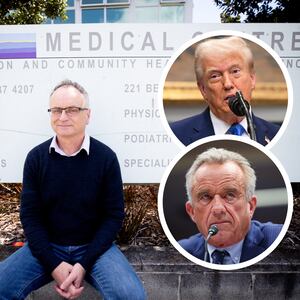
A recent statement by former US President Donald Trump linking paracetamol, also known as Tylenol in the United States, to an increased risk of autism during pregnancy has sparked widespread condemnation from health experts. This assertion, made during an event with controversial health secretary Robert F. Kennedy Jr., has raised serious concerns among medical professionals regarding its potential to mislead the public and jeopardize maternal and child health.
Dr. Bryan Betty, chair of General Practice NZ, expressed indignation over the Trump administration’s claims, calling them unfounded and dangerous. He emphasized that this kind of misinformation threatens to reverse progress in public health and could lead to harmful consequences for pregnant women and their unborn children. “It verges on outrageous what’s actually happened here,” Dr. Betty told Herald NOW. He noted that there is no credible scientific evidence to support the assertions made by Trump and Kennedy.
The medical community has responded strongly to these claims, with Dr. Betty highlighting that “every credible medical body across the world has come out and said there is no foundation to this claim.” He condemned the resurgence of what he described as mainstream science denialism, which could hinder informed decision-making among expectant mothers.
Concerns about paracetamol use during pregnancy have surfaced in recent years, but the consensus among medical experts remains that when used as directed, the medication is generally safe for expecting mothers. The World Health Organization and multiple national health organizations have consistently found no substantial evidence linking paracetamol to autism or other developmental disorders in children.
Trump’s comments have reverberated through the global medical establishment, prompting calls for heightened public awareness about the importance of relying on scientifically validated information. The potential impact of such misinformation could lead pregnant women to avoid the medication unnecessarily, risking their health and that of their babies.
As the discussion continues, health experts stress the importance of consulting with qualified medical professionals regarding medication use during pregnancy. They urge the public to remain vigilant against misinformation and to rely on evidence-based practices for health decisions.
The implications of Trump’s remarks extend beyond health; they reflect a broader issue of trust in scientific expertise and the challenges faced by the medical community in combating unfounded claims. The responses from health authorities worldwide serve as a reminder of the critical role that accurate information plays in safeguarding health.













New $25 Million Funding Boosts Hospital Capacity Ahead of Winter

Discover Sleep Space’s Affordable Bach Bed Packages Today

Jury Dismissed in Sexual Assault Trial Over Misguided Questions

Wellington’s New Gallery Unveils Community-Driven Art Exhibition

All Whites Face Challenges as Injuries Strike Before World Cup

Heroic Bystander Rescues Swimmers from Dangerous Surf in Napier

Nina Oyama Returns to Crime Comedy in Deadloch Season 2

China Southern Airlines Offers Reliable Journey from Auckland to Vietnam

Nina Oyama Returns to Deadloch for Anticipated Season 2

Community Mourns Teens Lost in Mount Maunganui Landslide

Tributes Pour In for Lachlan Rofe, Reality Star, Dead at 47

Private Funeral Held for Dean Field and His Three Children

Funeral Planned for Field Siblings After Tragic House Fire

Netball New Zealand Stands Down Dame Noeline Taurua for Series

Al Waha Motors Opens Flagship Jetour Showroom in Al Khor

Julian Dennison Ties the Knot with Christian Baledrokadroka in New Zealand

Auckland’s Average Rent Surpasses $700 for Three-Bedroom Homes

New Research Reveals Simple Path to Enhanced Happiness
-
 Top Stories7 months ago
Community Mourns Teens Lost in Mount Maunganui Landslide
-
 Entertainment11 months ago
Tributes Pour In for Lachlan Rofe, Reality Star, Dead at 47
-
 World9 months ago
Private Funeral Held for Dean Field and His Three Children
-
 Top Stories9 months ago
Funeral Planned for Field Siblings After Tragic House Fire
-
 Sports11 months ago
Netball New Zealand Stands Down Dame Noeline Taurua for Series
-
 Health7 months ago
Al Waha Motors Opens Flagship Jetour Showroom in Al Khor
-
 Entertainment7 months ago
Julian Dennison Ties the Knot with Christian Baledrokadroka in New Zealand
-
 Business7 months ago
Auckland’s Average Rent Surpasses $700 for Three-Bedroom Homes
-
 Science10 months ago
New Research Reveals Simple Path to Enhanced Happiness
-

 Entertainment10 months ago
New ‘Maverick’ Chaser Joins Beat the Chasers Season Finale
-

 Lifestyle10 months ago
Maia Wilson Faces Backlash Following Taurua’s Suspension
-

 Sports10 months ago
All Blacks Star Damian McKenzie and Partner Announce Baby News