
Health
Neurologists Explore New Tools for Enhanced Brain Recovery

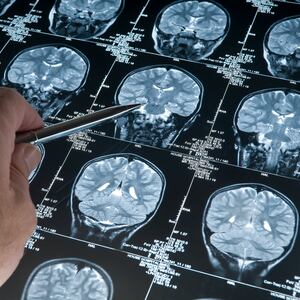
Advancements in neurological treatment are underway as researchers investigate three psychiatric tools that may significantly enhance the brain’s ability to recover after neurological events such as strokes. Dr. Sean Dukelow, a neurologist at Foothills Hospital in Calgary, Canada, has dedicated the past 15 years to treating stroke patients, primarily relying on neurorehabilitation techniques. These methods involve repetitive exercises in speech, physical, and occupational therapy, which capitalize on the brain’s natural plasticity to promote neuron growth and establish new connections.
Currently, Dr. Dukelow’s approach emphasizes the importance of repetition in recovery. “There’s going to be a lot of repetition,” he informs his patients, underscoring the limited options available beyond conventional therapies. The existing treatments for long-term recovery are largely restricted to invasive procedures, such as devices that stimulate the vagus nerve or spinal cord. However, a sense of urgency is emerging among neurologists to discover novel substances or devices that could facilitate the healing process more effectively.
Innovative Approaches to Brain Recovery
Dr. Dukelow notes that these potential breakthroughs could mean the difference between regaining mobility and independence or facing a life in a nursing home. Among the promising contenders are transcranial magnetic stimulation, antidepressant medications, and psychedelics. These therapies are traditionally associated with treating mental health conditions such as depression, post-traumatic stress disorder (PTSD), and obsessive-compulsive disorder.
The underlying hypothesis is that these treatments might not only alter maladaptive thought patterns but also engage the brain’s memory and learning circuits, which are believed to play a crucial role in stroke recovery. Researchers are optimistic that these therapies could enable the brain to reroute functions around damaged neurons, thereby restoring essential abilities such as walking, speaking, and remembering.
Scientific Insights and Future Directions
While the idea of applying psychiatric treatments to neurological rehabilitation is innovative, it raises significant questions about efficacy and safety. Experts are working diligently to understand whether therapies designed to reset disordered brain circuits can also repair damaged brain regions.
As research continues, the potential for these psychiatric tools to act as a “turbo boost” for brain recovery remains an exciting prospect. The scientific community is closely monitoring these developments, with the hope that they will lead to new, effective interventions for patients recovering from severe neurological events.
Dr. Dukelow’s insights reflect a broader shift in the understanding of brain recovery. The intersection of psychiatry and neurology could pave the way for transformative therapies that not only restore function but also enhance the quality of life for countless individuals facing the aftermath of strokes and other neurological catastrophes.













New $25 Million Funding Boosts Hospital Capacity Ahead of Winter

Discover Sleep Space’s Affordable Bach Bed Packages Today

Jury Dismissed in Sexual Assault Trial Over Misguided Questions

Wellington’s New Gallery Unveils Community-Driven Art Exhibition

All Whites Face Challenges as Injuries Strike Before World Cup

Heroic Bystander Rescues Swimmers from Dangerous Surf in Napier

Nina Oyama Returns to Crime Comedy in Deadloch Season 2

China Southern Airlines Offers Reliable Journey from Auckland to Vietnam

Nina Oyama Returns to Deadloch for Anticipated Season 2

Community Mourns Teens Lost in Mount Maunganui Landslide

Tributes Pour In for Lachlan Rofe, Reality Star, Dead at 47

Private Funeral Held for Dean Field and His Three Children

Funeral Planned for Field Siblings After Tragic House Fire

Al Waha Motors Opens Flagship Jetour Showroom in Al Khor

Netball New Zealand Stands Down Dame Noeline Taurua for Series

Julian Dennison Ties the Knot with Christian Baledrokadroka in New Zealand

Auckland’s Average Rent Surpasses $700 for Three-Bedroom Homes

New Research Reveals Simple Path to Enhanced Happiness
-
 Top Stories7 months ago
Community Mourns Teens Lost in Mount Maunganui Landslide
-
 Entertainment12 months ago
Tributes Pour In for Lachlan Rofe, Reality Star, Dead at 47
-
 World9 months ago
Private Funeral Held for Dean Field and His Three Children
-
 Top Stories9 months ago
Funeral Planned for Field Siblings After Tragic House Fire
-
 Health7 months ago
Al Waha Motors Opens Flagship Jetour Showroom in Al Khor
-
 Sports12 months ago
Netball New Zealand Stands Down Dame Noeline Taurua for Series
-
 Entertainment7 months ago
Julian Dennison Ties the Knot with Christian Baledrokadroka in New Zealand
-
 Business8 months ago
Auckland’s Average Rent Surpasses $700 for Three-Bedroom Homes
-
 Science10 months ago
New Research Reveals Simple Path to Enhanced Happiness
-

 Entertainment11 months ago
New ‘Maverick’ Chaser Joins Beat the Chasers Season Finale
-

 Lifestyle11 months ago
Maia Wilson Faces Backlash Following Taurua’s Suspension
-

 Sports10 months ago
All Blacks Star Damian McKenzie and Partner Announce Baby News