
Health
Trump Administration Restructures Childhood Vaccination Recommendations

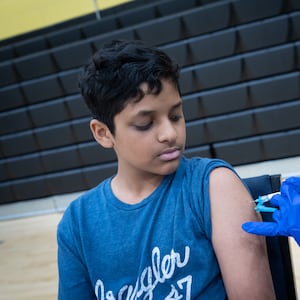
The Trump Administration has announced a significant change to the vaccination recommendations for infants and children in the United States. Effective immediately, the Centres for Disease Control and Prevention (CDC) will no longer broadly recommend vaccines for diseases such as rotavirus, influenza, meningococcal disease, respiratory syncytial virus (RSV), hepatitis A, and hepatitis B for every child. Instead, vaccinations will be advised only for smaller groups of children considered at high risk or based on a doctor’s recommendation.
This decision comes as part of Health Secretary Robert F. Kennedy Jr.’s initiative to reform the country’s paediatric vaccine schedule. The new approach bypasses the usual processes for vaccine recommendations, marking a departure from traditional guidelines. Health officials indicated that this shift aims to align US vaccination practices more closely with those in other countries, responding to a noted decline in public confidence regarding vaccinations, particularly following the Covid-19 pandemic.
Changes in Vaccination Recommendations
The CDC’s revised guidelines reflect a more selective approach towards immunizations. Parents will now find that the routine vaccinations previously recommended for all children will only be suggested for those who are identified as at risk or when advised by a healthcare professional. This marks a notable change in public health strategy as it moves away from a one-size-fits-all vaccination model.
The announcement has sparked discussions about the implications for public health and child safety. Critics argue that reducing the number of recommended vaccines could lead to increased vulnerability to outbreaks of preventable diseases. Proponents, however, maintain that the change is a necessary response to the shifting landscape of public opinion regarding vaccines.
Impact on Public Health and Trust in Vaccination
Health officials attribute the decision to a broader context of waning trust in vaccinations, which has been exacerbated by the pandemic. The administration’s move is intended to address these public concerns while still ensuring that children who need vaccinations receive them.
The Department of Health and Human Services (HHS) released materials outlining these changes, highlighting a commitment to ensuring that children are protected against serious illnesses while also considering the current climate of vaccine hesitancy. Authorities emphasize the importance of consulting with healthcare providers to determine the best course of action for each child, tailoring vaccination plans to individual health needs instead of following a universal schedule.
This overhaul of vaccination recommendations marks a pivotal moment in US public health policy, reflecting both a response to current health challenges and a shift towards a more personalized approach to child healthcare. As the landscape of vaccination continues to evolve, the focus remains on balancing public health needs with individual health choices, a task that will require ongoing dialogue between health officials, healthcare providers, and the public.













New $25 Million Funding Boosts Hospital Capacity Ahead of Winter

Discover Sleep Space’s Affordable Bach Bed Packages Today

Jury Dismissed in Sexual Assault Trial Over Misguided Questions

Wellington’s New Gallery Unveils Community-Driven Art Exhibition

All Whites Face Challenges as Injuries Strike Before World Cup

Heroic Bystander Rescues Swimmers from Dangerous Surf in Napier

Nina Oyama Returns to Crime Comedy in Deadloch Season 2

China Southern Airlines Offers Reliable Journey from Auckland to Vietnam

Nina Oyama Returns to Deadloch for Anticipated Season 2

Community Mourns Teens Lost in Mount Maunganui Landslide

Tributes Pour In for Lachlan Rofe, Reality Star, Dead at 47

Private Funeral Held for Dean Field and His Three Children

Funeral Planned for Field Siblings After Tragic House Fire

Netball New Zealand Stands Down Dame Noeline Taurua for Series

Al Waha Motors Opens Flagship Jetour Showroom in Al Khor

Julian Dennison Ties the Knot with Christian Baledrokadroka in New Zealand

Auckland’s Average Rent Surpasses $700 for Three-Bedroom Homes

New Research Reveals Simple Path to Enhanced Happiness
-
 Top Stories7 months ago
Community Mourns Teens Lost in Mount Maunganui Landslide
-
 Entertainment11 months ago
Tributes Pour In for Lachlan Rofe, Reality Star, Dead at 47
-
 World9 months ago
Private Funeral Held for Dean Field and His Three Children
-
 Top Stories9 months ago
Funeral Planned for Field Siblings After Tragic House Fire
-
 Sports11 months ago
Netball New Zealand Stands Down Dame Noeline Taurua for Series
-
 Health7 months ago
Al Waha Motors Opens Flagship Jetour Showroom in Al Khor
-
 Entertainment7 months ago
Julian Dennison Ties the Knot with Christian Baledrokadroka in New Zealand
-
 Business7 months ago
Auckland’s Average Rent Surpasses $700 for Three-Bedroom Homes
-
 Science10 months ago
New Research Reveals Simple Path to Enhanced Happiness
-

 Entertainment10 months ago
New ‘Maverick’ Chaser Joins Beat the Chasers Season Finale
-

 Lifestyle11 months ago
Maia Wilson Faces Backlash Following Taurua’s Suspension
-

 Sports10 months ago
All Blacks Star Damian McKenzie and Partner Announce Baby News